What Makes Italian Food So Delicious and Timeless
By Jeremy Koss |May 7, 2026
Few culinary traditions have earned the universal admiration enjoyed by Italian food. From bustling city restaurants to family kitchens, Italian cuisine continues to delight people of all ages and backgrounds. Its appeal goes far beyond pizza and pasta. At its heart, Italian food celebrates simplicity, freshness, and the joy of sharing a meal with others.
The enduring popularity of Italian food lies in its ability to feel both sophisticated and comforting. It can be elegant enough for a special occasion yet approachable enough for an ordinary weeknight dinner. According to TouchBistro, 58% of diners say food quality is their top priority when eating out, and Italian cuisine consistently meets that expectation through its emphasis on fresh, high-quality ingredients. Whether served in a fine dining establishment or around a family table, Italian dishes offer flavors that feel timeless, familiar, and deeply satisfying.
Celebrating Fresh, Simple Ingredients
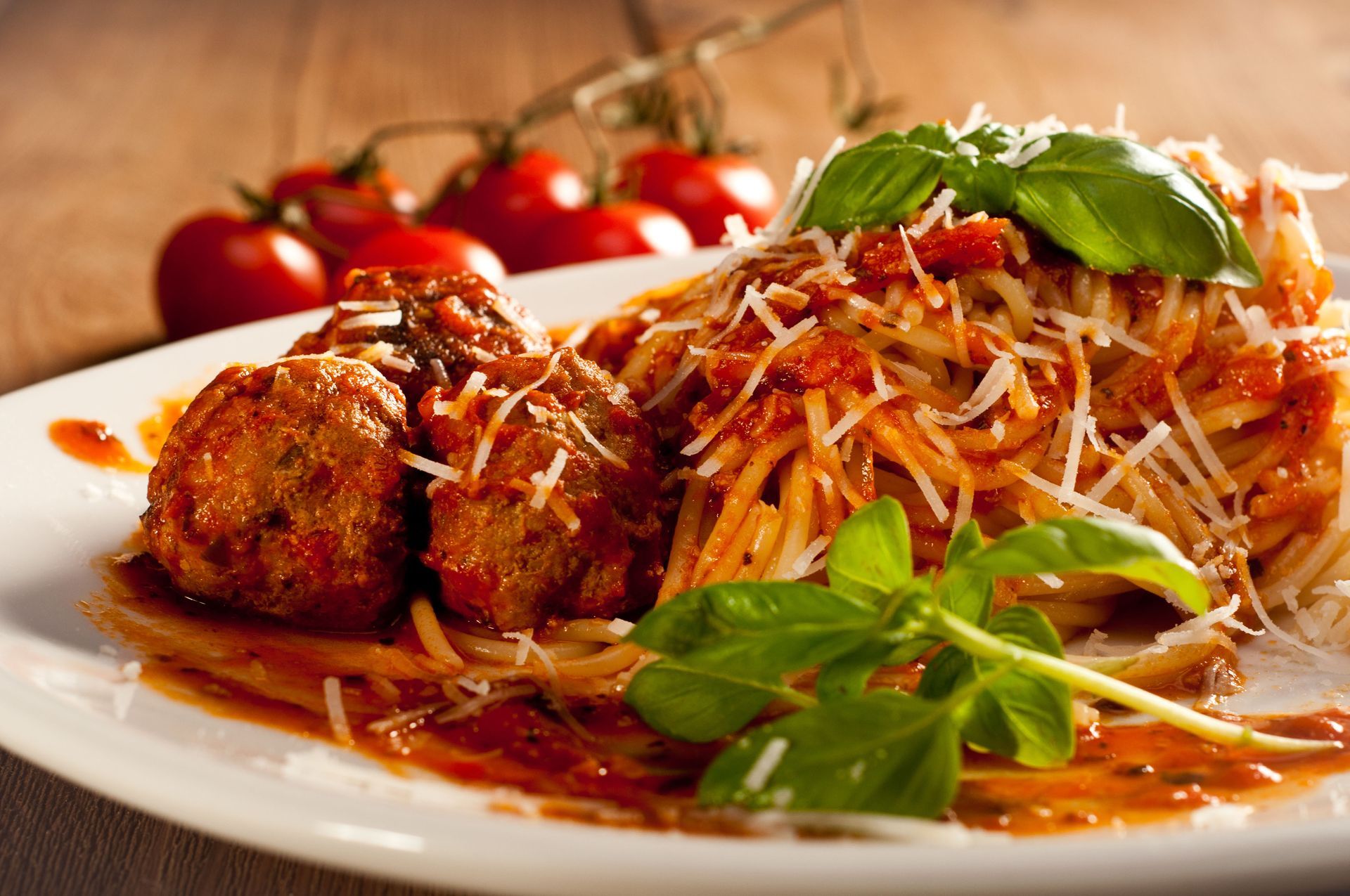
One of the defining characteristics of Italian food is its reliance on fresh, high-quality ingredients. Rather than masking flavors with excessive seasoning or complicated preparation, Italian cuisine allows each ingredient to shine. Tomatoes, olive oil, garlic, basil, oregano, and Parmigiano-Reggiano are staples that form the foundation of countless beloved dishes.
This focus on ingredient quality is central to the cuisine's appeal. A simple pasta tossed with ripe tomatoes, fragrant basil, and excellent olive oil can be just as memorable as a more elaborate dish. Italian cooks understand that when ingredients are exceptional, minimal intervention is needed.
Seasonality also plays an important role. Fresh produce, locally sourced meats, and artisanal cheeses contribute to the vibrant flavors that define authentic Italian food. Every component serves a purpose, creating harmony without overwhelming the palate.
Showcasing Distinct Regional Traditions
Italy's culinary landscape is incredibly diverse, with each region contributing its own unique specialties. This regional variation is one of the reasons Italian food remains endlessly interesting. Northern Italy is known for rich, creamy dishes, risottos, and butter-based sauces, while southern Italy favors olive oil, tomatoes, seafood, and bold Mediterranean flavors.
In regions like Emilia-Romagna, diners enjoy fresh egg pasta, balsamic vinegar, and Parmigiano-Reggiano. Tuscany is celebrated for rustic breads, hearty soups, and grilled meats. Sicily introduces Arab, Greek, and Spanish influences, resulting in dishes that feature citrus, almonds, and seafood.
This remarkable diversity ensures that Italian food offers something for everyone. Each region tells its own story through its ingredients, techniques, and traditions, making Italian cuisine a fascinating culinary journey across geography and history.
Honoring Centuries of Culinary History
The rich history of Italian cuisine has shaped the dishes we know and love today. Italian cooking evolved over centuries, influenced by ancient Romans, medieval trade routes, and the introduction of ingredients from the New World. Tomatoes, now synonymous with Italian cuisine, were not incorporated until after their arrival from the Americas.
Over time, Italian cooks adapted new ingredients while preserving traditional methods. Recipes were passed down through generations, often remaining remarkably consistent. This continuity has helped Italian food maintain its authenticity and cultural significance.
Historical influences are evident in many iconic dishes. Pasta-making techniques date back hundreds of years, while regional specialties reflect local agricultural practices and historical trade relationships. Every plate carries a sense of heritage, connecting diners to centuries of culinary craftsmanship.
Mastering Techniques That Build Flavor
Italian cooking techniques are deceptively simple yet incredibly effective. The goal is not complexity for its own sake, but rather the careful development of flavor. Techniques such as slow simmering, sautéing, roasting, and braising allow ingredients to reach their full potential.
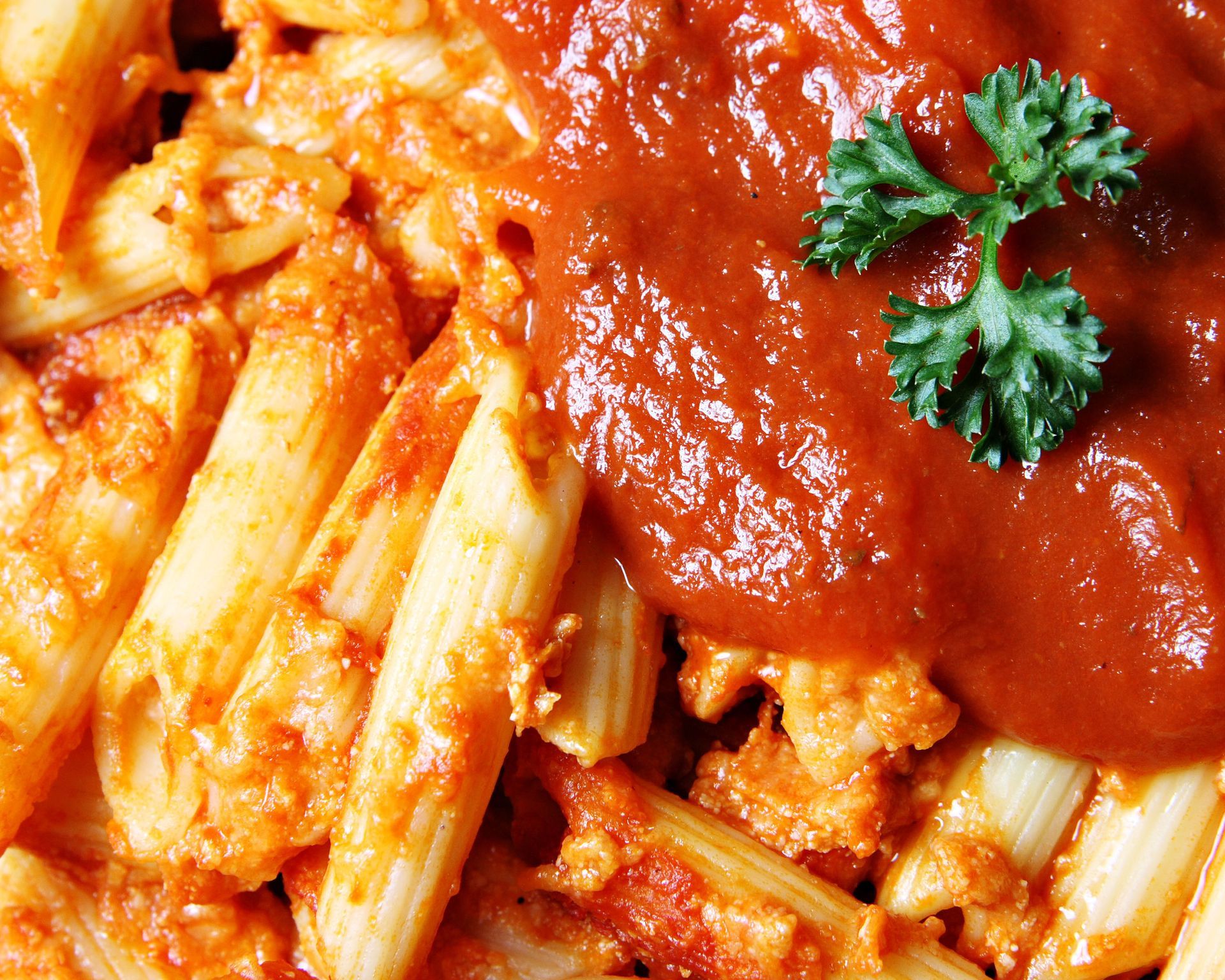
For example, a classic tomato sauce gains depth from patiently cooking garlic in olive oil before adding tomatoes and herbs. Risotto requires gradual additions of broth and constant stirring to achieve its signature creamy texture. Fresh pasta demands skillful kneading and careful rolling to create the perfect bite.
These methods enhance natural flavors rather than overpower them. Italian chefs understand the importance of timing, temperature, and restraint. The result is Italian food that feels balanced, nuanced, and deeply satisfying with every bite.
Delivering Comfort Through Familiar Flavors
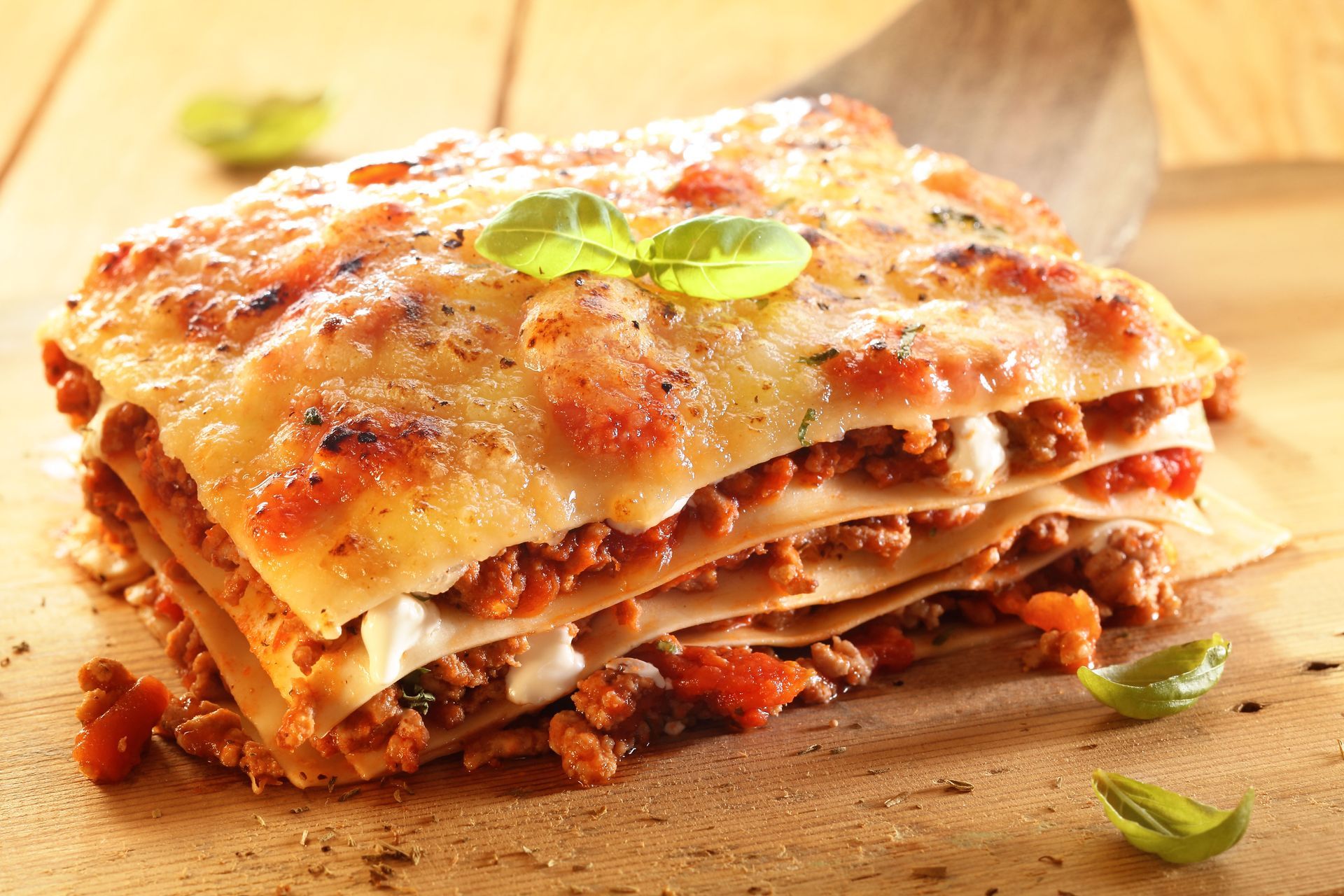
Comfort is one of the most universal aspects of Italian food. Many dishes evoke feelings of warmth, nostalgia, and togetherness. A bubbling lasagna, a bowl of pasta, or a freshly baked loaf of bread can instantly create a sense of home.
Part of this comfort comes from the cuisine's emphasis on hearty, satisfying ingredients. Pasta, cheese, bread, and slow-cooked sauces provide richness and warmth. These are foods designed to nourish both body and spirit.
Italian meals are also deeply tied to family traditions and communal dining. Sharing a meal is an experience meant to be savored. This focus on connection enhances the emotional appeal of the cuisine, making it a favorite for celebrations, gatherings, and quiet evenings alike.
Inspiring Global Appreciation and Adaptation
Italian cuisine has successfully crossed cultural boundaries while maintaining its core identity. From New York to Tokyo, Italian food is embraced around the world. Its adaptability allows it to resonate with diverse tastes and local ingredients. Whether it is a neighborhood trattoria, an upscale restaurant, or a home kitchen, Italian dishes consistently appeal to diners seeking both comfort and quality.
Part of this global appeal lies in its accessibility. Many Italian dishes are straightforward to prepare and easy to customize. Home cooks can recreate classic recipes with relative ease, while chefs continue to innovate within the framework of tradition. This versatility makes Italian cuisine equally appealing to novice cooks, seasoned culinary professionals, and adventurous diners alike.
Despite regional adaptations, the essential principles of Italian cooking remain intact: quality ingredients, balanced flavors, and respect for tradition. These values transcend geography and ensure that each dish retains its authentic character, even when interpreted through local influences. This combination of authenticity and flexibility has helped Italian food become one of the world's most beloved culinary traditions.
Balancing Elegance With Everyday Enjoyment
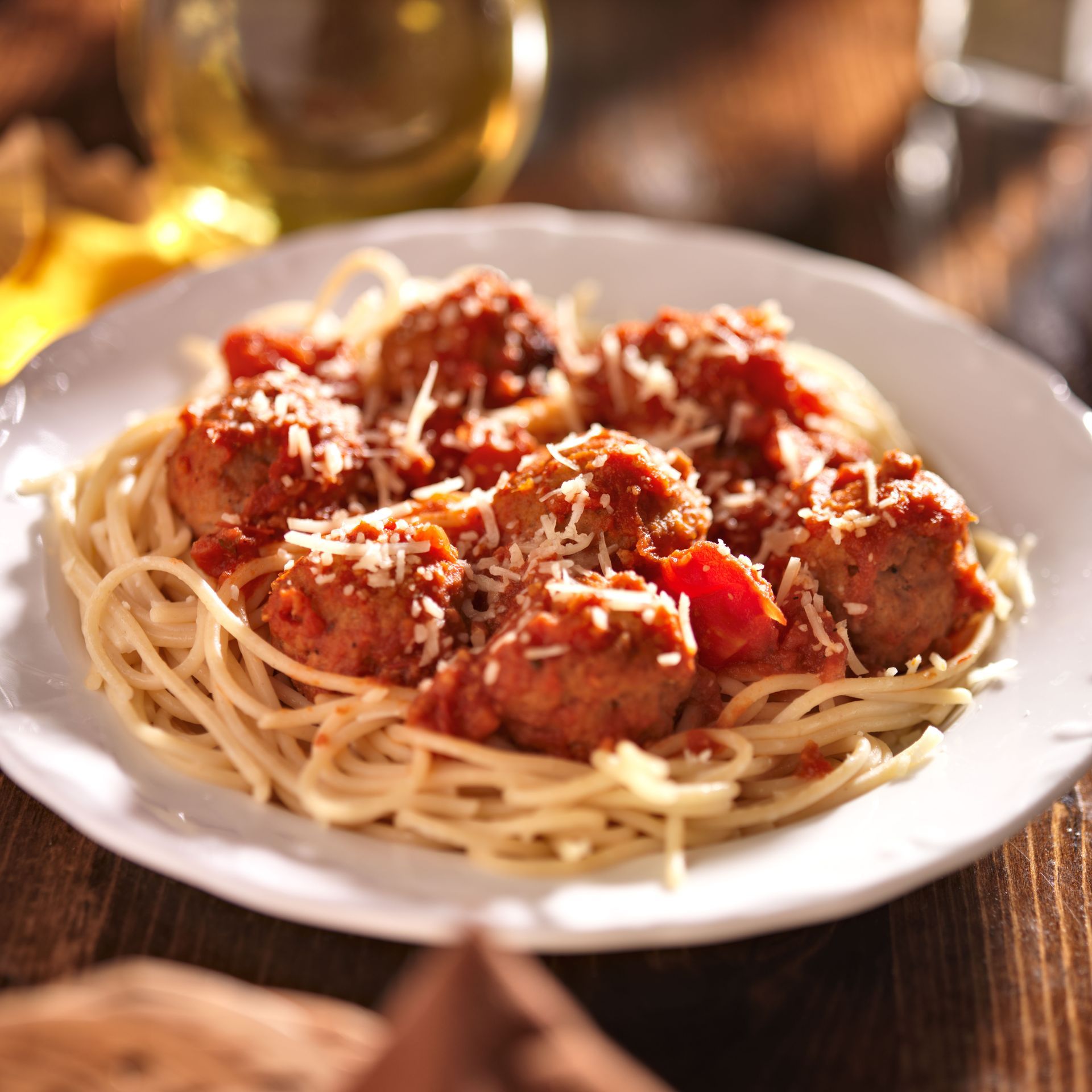
Another reason Italian cuisine remains timeless is its remarkable versatility. Italian dishes can be rustic or refined, simple or elaborate. A humble plate of spaghetti can feel just as special as an expertly prepared osso buco.
This balance makes Italian food suitable for nearly any occasion. It can serve as the centerpiece of a romantic dinner, a festive holiday gathering, or a quick weeknight meal. Few cuisines offer such broad appeal across settings and preferences.
The emphasis on enjoyment rather than pretension also contributes to its lasting popularity. Italian dining celebrates pleasure, hospitality, and the simple act of savoring good food with good company.
Preserving Tradition While Embracing Innovation
While rooted in tradition, Italian cuisine continues to evolve. Contemporary chefs honor classic recipes while exploring new interpretations, ingredients, and presentation styles. This willingness to innovate keeps Italian food relevant and exciting.
Modern Italian cooking often incorporates sustainability, seasonal sourcing, and creative techniques while maintaining respect for foundational principles. Traditional dishes may be reimagined, but their essence remains unchanged.
This balance between preservation and innovation ensures that Italian cuisine remains dynamic. It continues to captivate new generations while retaining the authenticity that has defined it for centuries.
The timeless appeal of
Italian food lies in its masterful blend of simplicity, quality, and tradition. From fresh ingredients and regional diversity to time-honored techniques and comforting flavors, Italian cuisine offers an experience that is both deeply rooted and universally loved. Its ability to bring people together, satisfy the senses, and honor culinary heritage ensures that Italian food will remain a cherished favorite for generations to come. If you're looking for delicious Italian cuisine, reach out to the team at Balistreri's Bluemound Inn today!