Exploring the Heart and Flavor of Italian Cuisine
By Jeremy Koss |April 15, 2026
Food has a way of telling a story, and few traditions do that more beautifully than Italian cuisine. Built on regional ingredients, time-honored techniques, and a deep appreciation for shared meals, it has become one of the most loved culinary traditions in the world. From fresh pasta and wood-fired dishes to rich sauces and carefully layered flavors, Italian cooking reflects both simplicity and intention. Every dish tends to highlight ingredients rather than hide them, which is part of what gives this style of cooking its lasting appeal.
At its core, this culinary tradition is about balance, comfort, and connection. It can feel elegant without being complicated and satisfying without relying on excessive preparation. Whether someone is drawn to handmade pasta, slow-cooked meat dishes, fresh herbs, or classic desserts, there is a richness in these flavors that goes beyond taste alone. Exploring its heart and flavor means looking at the traditions, ingredients, and dining values that continue to make it meaningful across generations.
Celebrating Regional Traditions Across Italy
One of the most fascinating parts of Italian cuisine is how much it varies from one region to another. Northern Italy is often associated with creamy risottos, rich cheeses, butter-based dishes, and hearty preparations suited to cooler weather. In central regions, diners may find robust sauces, roasted meats, and rustic breads that reflect long-standing agricultural traditions. Southern Italy often brings forward olive oil, tomatoes, seafood, eggplant, citrus, and bold Mediterranean influences. These differences show that Italian food is not one single style but a collection of regional traditions that each contribute something distinctive.
This regional variety is one reason this culinary tradition continues to hold such broad appeal. A meal inspired by Sicily can feel entirely different from one rooted in Tuscany or Emilia-Romagna, yet each still reflects the same respect for quality and tradition. Local ingredients have always shaped what people cook, and those local influences remain central to many favorite dishes today. By appreciating these regional roots, diners can better understand why these dishes offer so much depth and why each plate often carries a sense of place along with its flavor.
Highlighting Fresh and Simple Ingredients
A defining feature of Italian cuisine is its reliance on fresh, straightforward ingredients. Instead of depending on heavy processing or overly complicated combinations, many Italian dishes focus on producing strong flavor from a short list of carefully chosen components. Tomatoes, garlic, basil, olive oil, cheeses, seafood, meats, and seasonal vegetables often appear again and again, but each ingredient is expected to bring something meaningful to the plate. This approach allows the natural flavor of the food to stand out in a way that feels clean, balanced, and satisfying.
That simplicity does not mean the food lacks depth. In many cases, the opposite is true. When ingredients are fresh and prepared with care, even a dish with just a few elements can feel memorable. A well-made pasta sauce, a properly seasoned cutlet, or a fresh caprese salad can show how much impact quality ingredients can have. This ingredient-first mindset is a major reason this culinary tradition continues to resonate with people who value meals that feel both comforting and thoughtfully prepared.
Honoring Pasta as a Culinary Icon
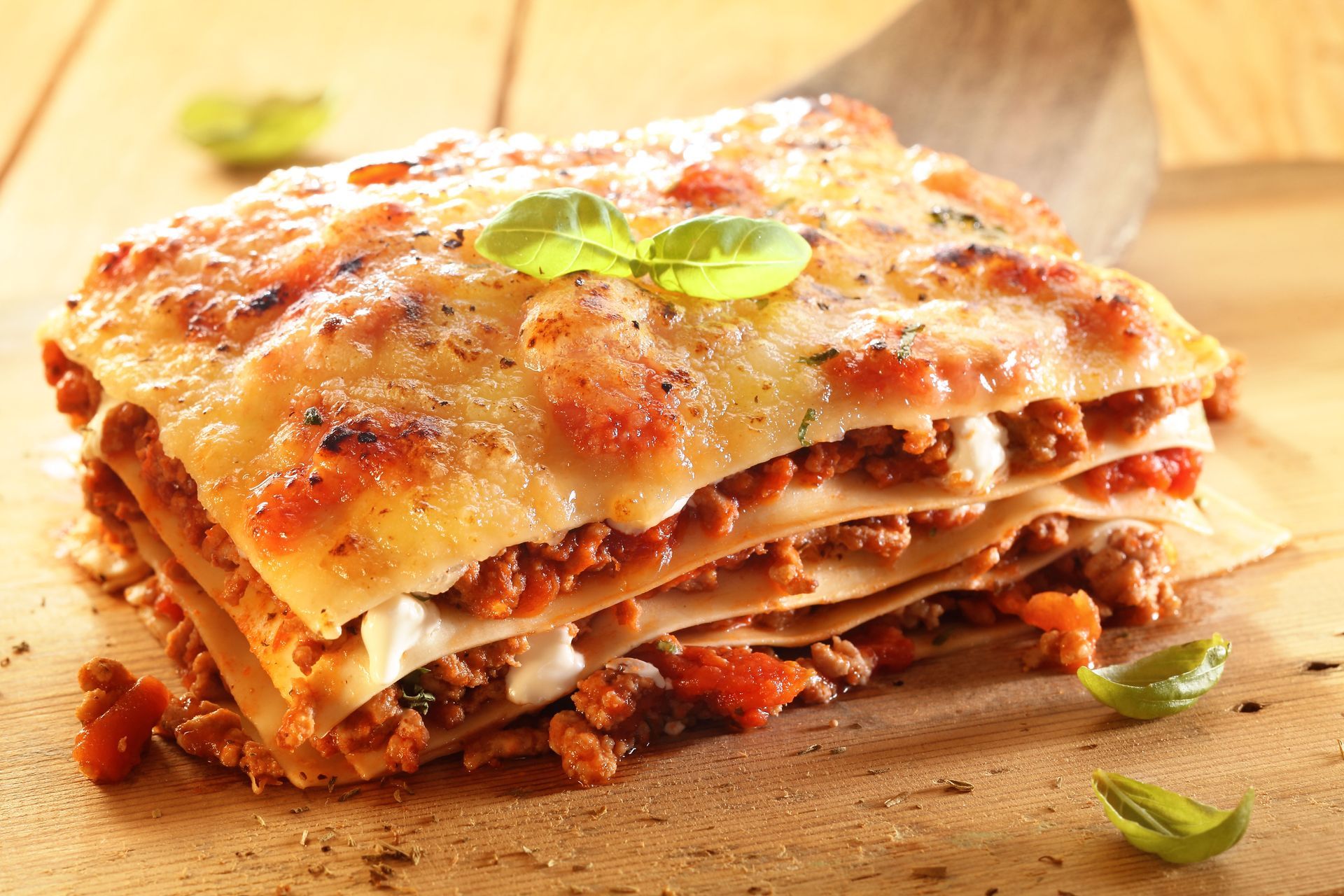
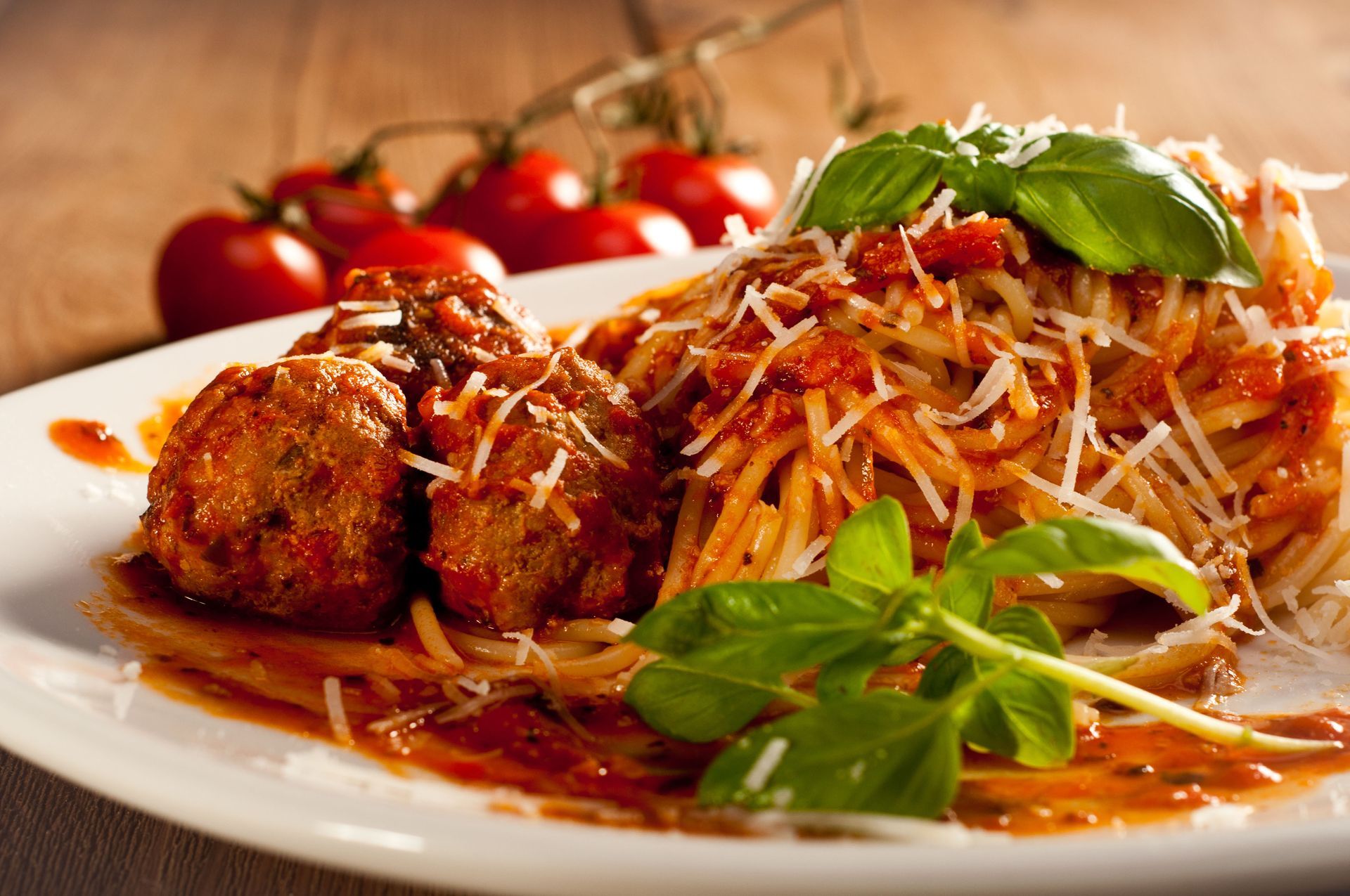
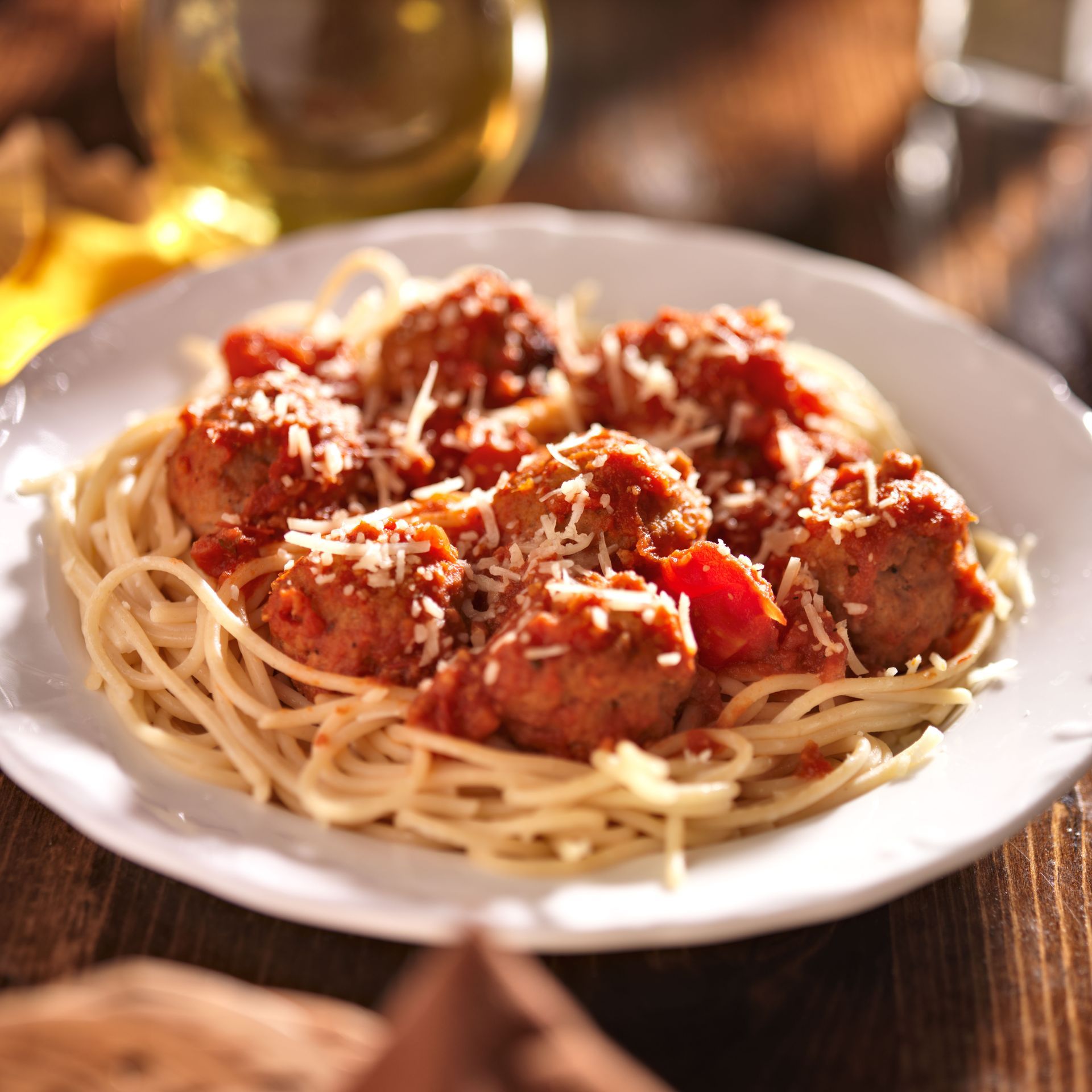
Few foods are as closely associated with Italy as pasta, and for good reason. Pasta has become one of the clearest symbols of Italian cuisine because it is versatile, satisfying, and tied so closely to family meals and culinary tradition. It can be served in countless shapes and styles, paired with everything from delicate olive oil sauces to rich meat ragus and creamy cheese-based preparations. Its adaptability has helped it remain a favorite across generations, whether it appears in a casual weeknight meal or a more elaborate dining experience.
Pasta also carries a long and meaningful history. According to Mama Florence, one of the earliest recorded mentions of pasta in Italy dates back to the 12th century. That long connection helps explain why pasta remains such a central part of Italian dining culture. It is more than a familiar food. It represents technique, heritage, and the continuation of recipes that have been shared and refined over time. For many diners, enjoying a pasta dish is one of the clearest ways to experience the heart of this culinary tradition.
Appreciating Sauces That Build Character
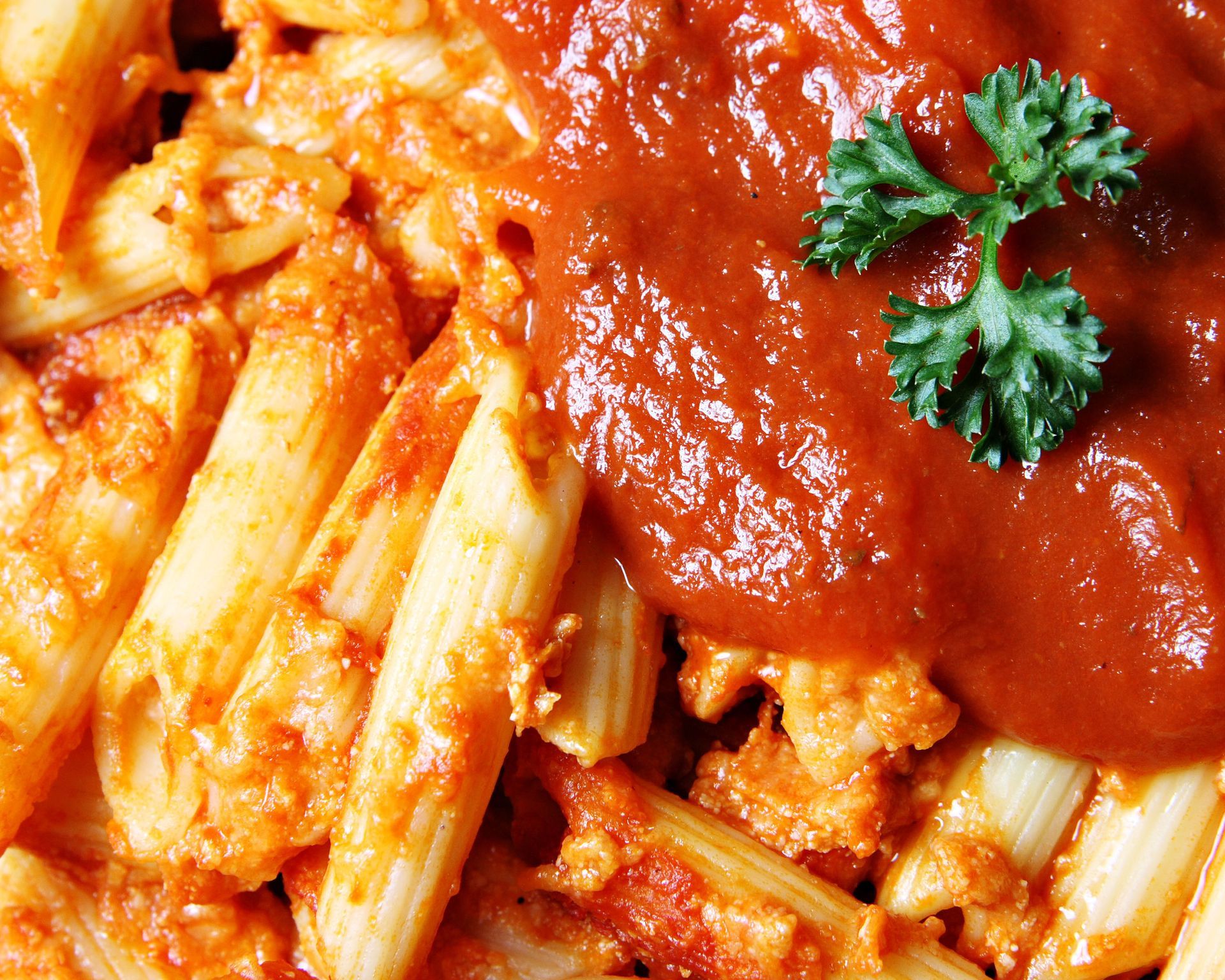
Sauces play a major role in shaping the flavor and personality of Italian dishes. Some are light and bright, built around olive oil, garlic, herbs, or fresh tomatoes, while others are slow-cooked and deeply layered with meat, wine, vegetables, and seasonings. Each sauce brings its own character to the plate, and the right pairing can elevate pasta, seafood, poultry, or veal in a way that feels balanced rather than overwhelming. In many dishes, the sauce is not meant to overpower the meal but to bring all the elements together with depth and harmony.
This attention to sauce is part of what makes Italian cuisine so rewarding to explore. Small differences in preparation can create very different dining experiences, even when the ingredients seem familiar. A marinara can feel lively and fresh, while a creamy Alfredo-style sauce offers richness and comfort. A slow-simmered meat sauce can bring warmth and complexity, while a wine-based preparation may feel more refined. These variations show how thoughtful preparation helps define the flavor profile of so many classic Italian dishes.
Embracing Meals as Shared Experiences
Italian food culture has always been closely tied to gathering, conversation, and the experience of sharing a meal. While the dishes themselves are important, so is the atmosphere that surrounds them. Family-style service, lingering conversations at the table, and a pace that allows people to enjoy both the food and one another are all part of the broader dining tradition. Meals are often seen as a time to connect, celebrate, and slow down, which adds emotional warmth to the food itself.
This sense of togetherness helps explain why Italian cuisine feels so comforting to so many people. A generous plate of pasta, a basket of bread, or a house specialty shared across the table can create a feeling of welcome that goes beyond the ingredients alone. The dining experience becomes part of the flavor. Whether it is a quiet dinner for two or a lively gathering with family and friends, the shared nature of Italian meals remains one of the tradition's most meaningful qualities.
Savoring Desserts That Complete the Meal
No exploration of Italian cuisine would feel complete without considering dessert. Italian sweets often reflect the same principles found throughout the rest of the meal, relying on recognizable ingredients, balanced sweetness, and memorable texture. Classics such as tiramisu, cannoli, panna cotta, biscotti, and gelato each bring something different to the table. Some are creamy and rich, while others are crisp, light, or layered with coffee, chocolate, fruit, or sweetened cheese.
Dessert often serves as a fitting final note because it extends the experience without overwhelming it. Rather than feeling separate from the meal, it often feels like a natural continuation of the same attention to flavor and presentation. A good dessert can leave a lasting impression, especially when paired with coffee or served in a relaxed setting that invites people to stay at the table a little longer. In that way, dessert helps round out the full experience that makes Italian dining so memorable.
Exploring the heart and flavor of this culinary tradition means appreciating more than a list of popular dishes. It means recognizing the regional influences, fresh ingredients, rich traditions, and shared dining values that continue to shape this style of cooking. From pasta and sauces to desserts and the atmosphere of the table, every part of the experience reflects a commitment to flavor, hospitality, and thoughtful preparation. That combination is what has helped these dishes remain meaningful to generations of diners.
Whether you are craving timeless pasta dishes, comforting favorites, or a meal that brings people together, Italian cuisine offers a dining experience full of warmth and character. Visit Balistreri's Bluemound Inn to enjoy the classic flavors and welcoming atmosphere that make Italian dining so memorable.