Exploring the Timeless Appeal of Authentic Italian Cuisine
By Jeremy Koss |February 18, 2026
Italian cuisine has long held a cherished place at tables around the world, celebrated for its bold flavors, regional richness, and deep respect for tradition. Rooted in centuries of cultural history, Italian cooking is more than a style of food—it is an expression of place, family, and craftsmanship. From rustic, time-honored recipes to modern interpretations that honor the past, Italian cuisine continues to evolve without losing its soul. This article explores the enduring appeal of authentic Italian cuisine, uncovering the traditions, influences, and philosophies that have allowed it to remain timeless across generations.
Celebrate Fresh Ingredients and Culinary Simplicity
One of the hallmarks of Italian cuisine is its reliance on fresh, high-quality ingredients. This commitment to freshness ensures that each dish bursts with authentic flavor and aligns with Italy's farm-to-table ethos. The Italian culinary tradition respects the seasonality of produce, making dishes not only delicious but also sustainable and responsible. Such dedication to freshness sets Italian cuisine apart, highlighting the natural flavors and nutritional values of the ingredients.
Beyond mere ingredients, Italian cuisine celebrates simplicity, often allowing just a few key components to shine in a dish. The emphasis is on letting natural flavors speak for themselves rather than masking them with complex sauces or spices. This minimalism in preparation elevates the inherent taste of fresh produce like tomatoes, basil, olive oil, and cheeses like mozzarella or Parmigiano Reggiano. By focusing on the finest ingredients, Italian dishes become an exploration in authenticity and purity.
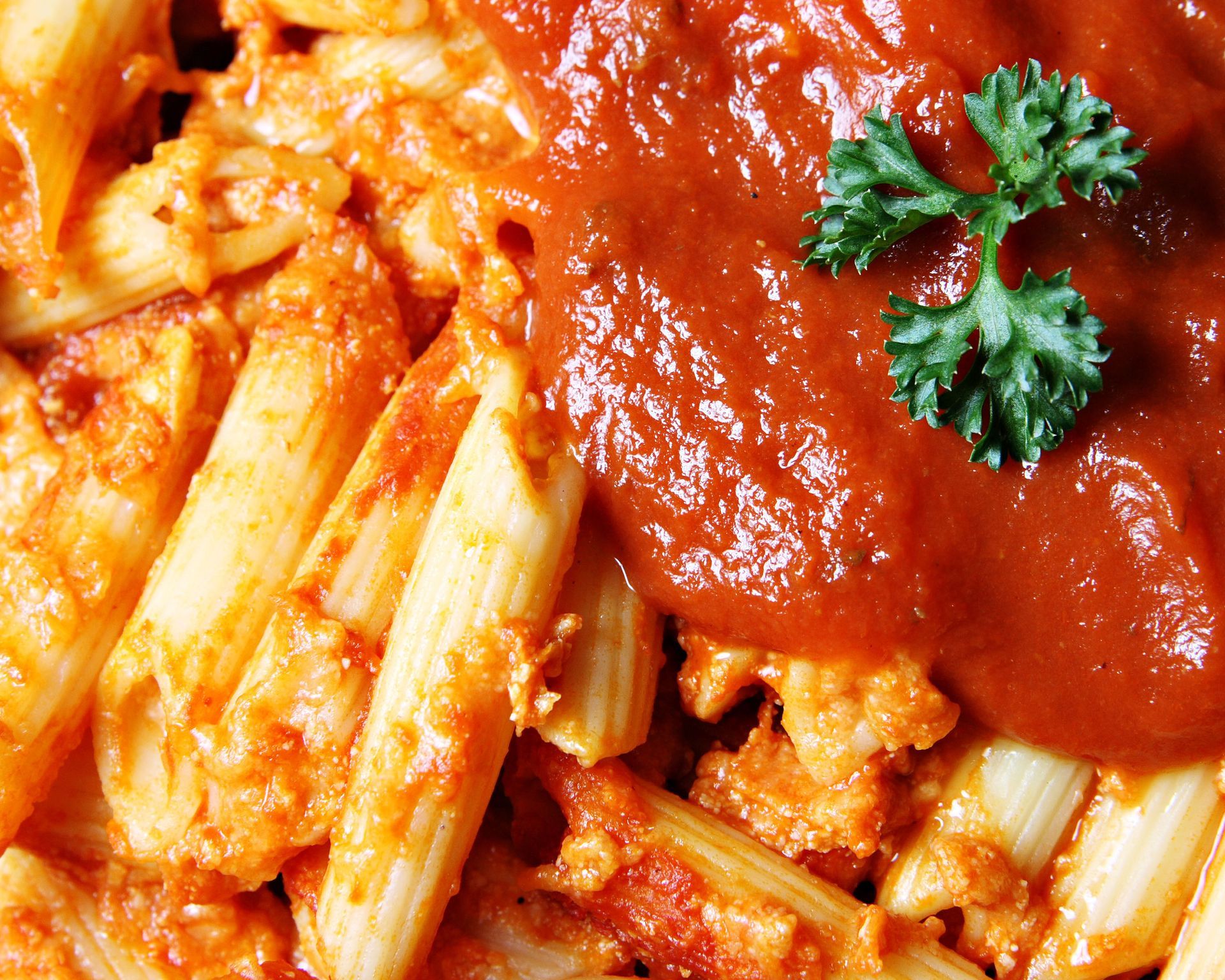
Additionally, Italy's diverse climate and landscape provide a rich variety of fresh products, from the ripe citrus fruits of the south to the robust vegetables of the northern plains. These regional differences contribute to the variety found within Italian cuisine, with a wide array of options rooted in local traditions. With over 350 different types of pasta, according to Walking Palates, chefs continue to innovate while using staple fresh ingredients, allowing regional variability and personal creativity to flourish.
Explore Italy’s Rich Regional Diversity
Italian cuisine is a tapestry of regional specialties, each offering its unique flavors and cooking styles. From the rich, hearty fare of the northern regions to the lighter, seafood-influenced dishes of the south, Italy's diverse geography and culture manifest in its culinary portfolio. This regional diversity is pivotal to Italian cuisine's complexity and charm, weaving a mosaic that is appreciated worldwide. Every region leans on its specific ingredients and traditions, crafting meals that narrate Italy's history and geography.
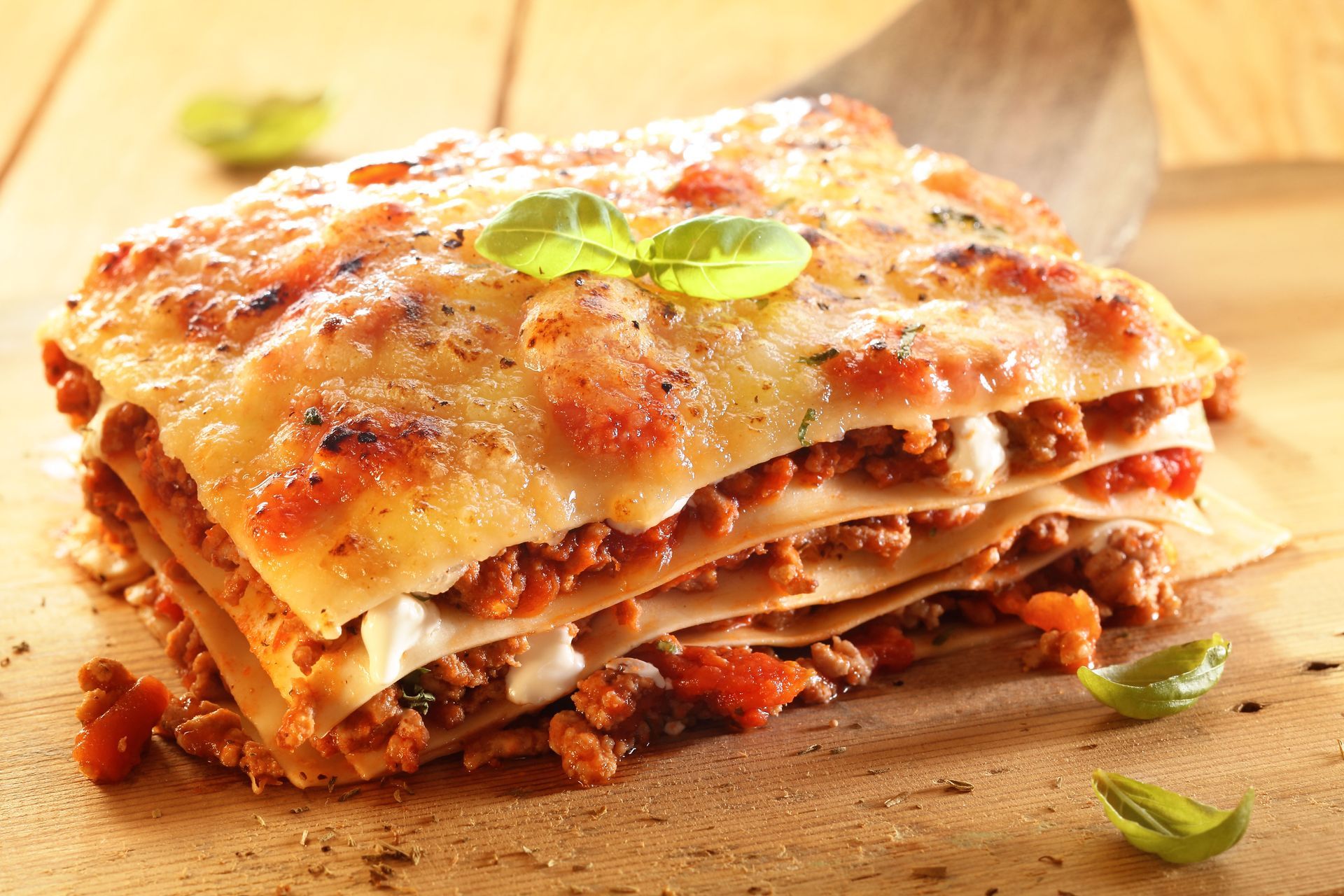
Northern Italy, for example, features creamy risottos and diverse polenta dishes influenced by the abundant agriculture of the Po Valley. In contrast, the central regions are renowned for creamy lasagnas and flavorful game meats, drawing from the rolling hills of Tuscany and Umbria. Further south, pasta takes center stage with a focus on seafood and vibrant sauces, a reflection of the Mediterranean's proximity and influences on local eating habits.
Trace the Historical Roots of Italian Cuisine
Italy's rich history is deeply intertwined with its culinary traditions, illustrating the nation's development through flavors and meal preparations. Historical events, such as the Roman Empire's expansion, significantly impacted dietary habits and introduced diverse ingredients and spices from conquered territories. This historical intermingling of cultures is still evident in Italian cuisine today, especially in the vibrant array of pastas, sauces, and other classic dishes that reflect such ancient influences.
The Renaissance period, with its flourishing arts and cultural awakening, also played a critical part in shaping Italian food. It was during this era that culinary arts were more formally appreciated and celebrated among the Italian nobility, influencing menu sophistication and presentation. Recipes from this time focused on the aesthetic and sensual pleasure of food, treating meals as a symphony of visual and taste experiences that still guide contemporary Italian culinary practices.
Preserve Tradition Through Time-Honored Cooking Techniques
Italian cuisine prides itself on traditional cooking techniques that have been passed down through generations. Methods like slow cooking, simmering sauces, and hand-making pasta are revered, ensuring that each dish captures the essence of authentic Italian cooking. These techniques not only preserve the flavor and texture of ingredients but also enhance the dining experience, offering a taste of Italy's cultural heritage with every bite.
Slow cooking methods, such as braising or stewing, allow the ingredients to meld together, resulting in complex flavors and tender textures. This careful preparation highlights the integrity of Italian cuisine, where time and patience are considered essential components of cooking. Whether it's through a multi-hour ragu or a slow-cooked risotto, traditional methods emphasize quality and craftsmanship over convenience.
Discover Ancient Roman and Etruscan Culinary Foundations
The origins of Italian cuisine can be traced back to ancient Roman and Etruscan times, where early culinary practices laid the groundwork for what we recognize as Italian food today. During the Roman Empire, food held significant social importance, symbolizing wealth and hospitality. The Romans embraced Mediterranean ingredients such as olives, grapes, and grains, which continue to be staples in modern Italian cooking.
Etruscans, predating the Romans, influenced culinary elements seen in central Italian regions today, such as Tuscany. Their love for bread, grains, legumes, and local game meats shaped agricultural practices and early meal compositions. The continuity of these recipes underlines the perennial nature of Italian cuisine, a testament to its ancient roots and adaptability over millennia.
Examine the Renaissance Influence on Italian Food Culture
The Renaissance was a period marked by immense cultural and artistic flourishing, significantly impacting Italian food and dining traditions. With cultural rebirth came innovation in culinary arts, elevating the cooking aesthetic to an art form. The era brought a renewed focus on the presentation and quality of dishes, adding a layer of sophistication and elegance still cherished in Italian cuisine.
Culinary manuscripts from this period reveal an emphasis on harmonizing flavors and introducing refined ingredients such as the then-novel vegetables and spices. The Renaissance kitchen also saw the development of distinct courses, shaping the structured meal formats that are now commonplace in fine dining. These creative advancements underscore the transformative impact the Renaissance had on Italian culinary practices.
Follow the Global Spread of Italian Cuisine
The mass migration of Italians in the late 19th and early 20th centuries played a significant role in disseminating Italian cuisine worldwide. As Italian immigrants settled across Europe, the Americas, and Australia, they carried with them cherished family recipes and culinary traditions integral to their cultural identity. In these new lands, Italian cuisine adapted to available ingredients while maintaining its essence, leading to its widespread popularity.
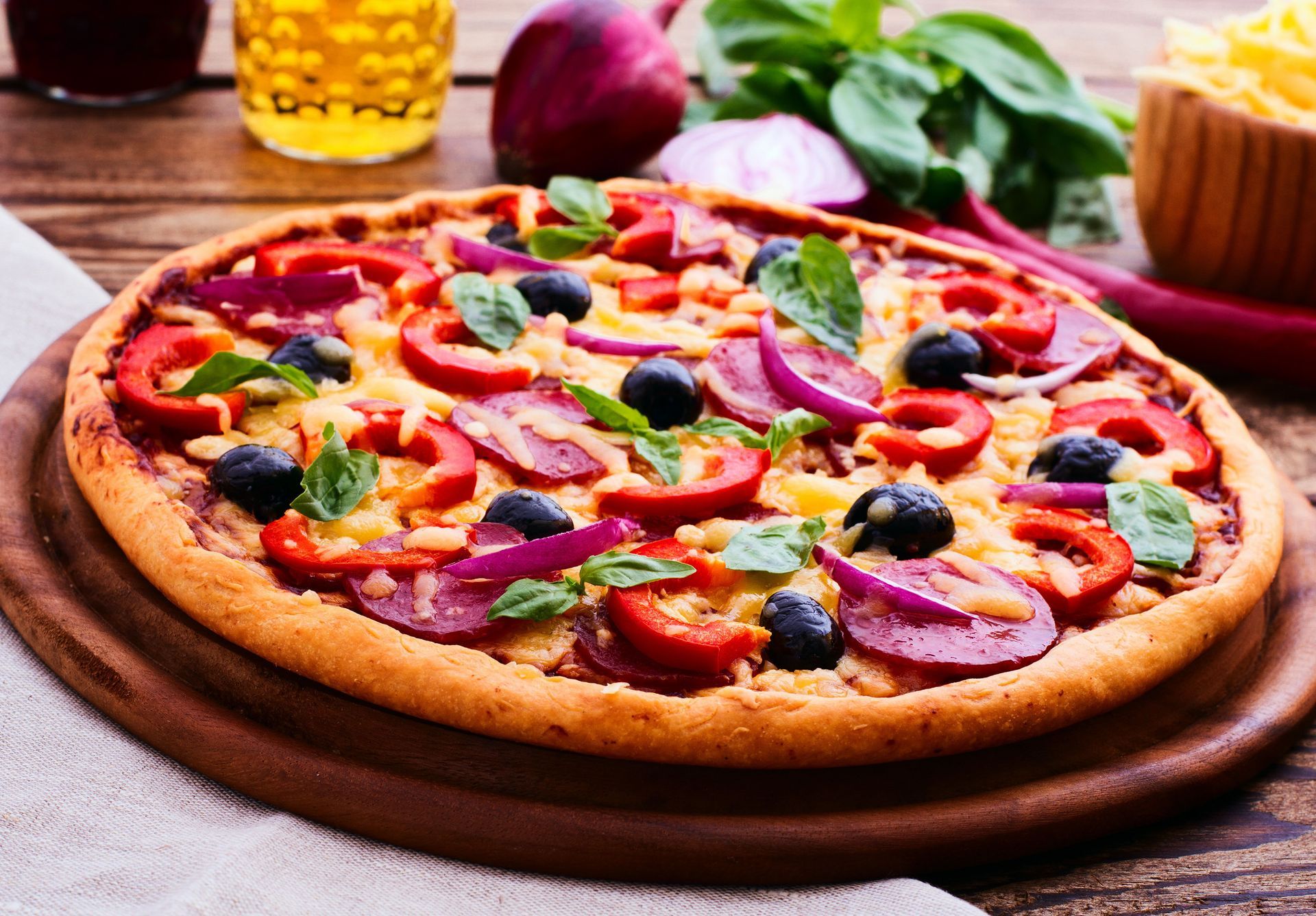
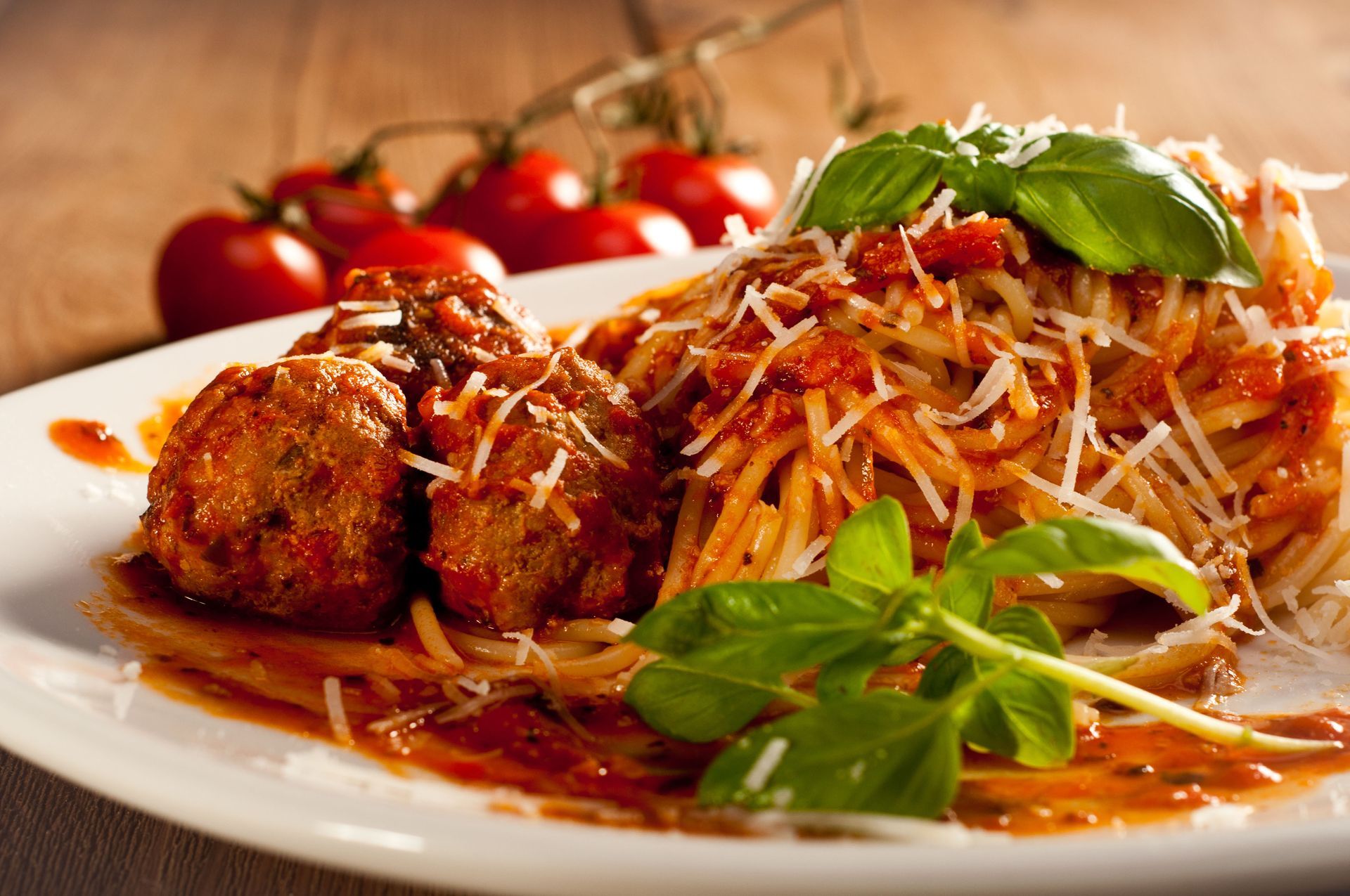
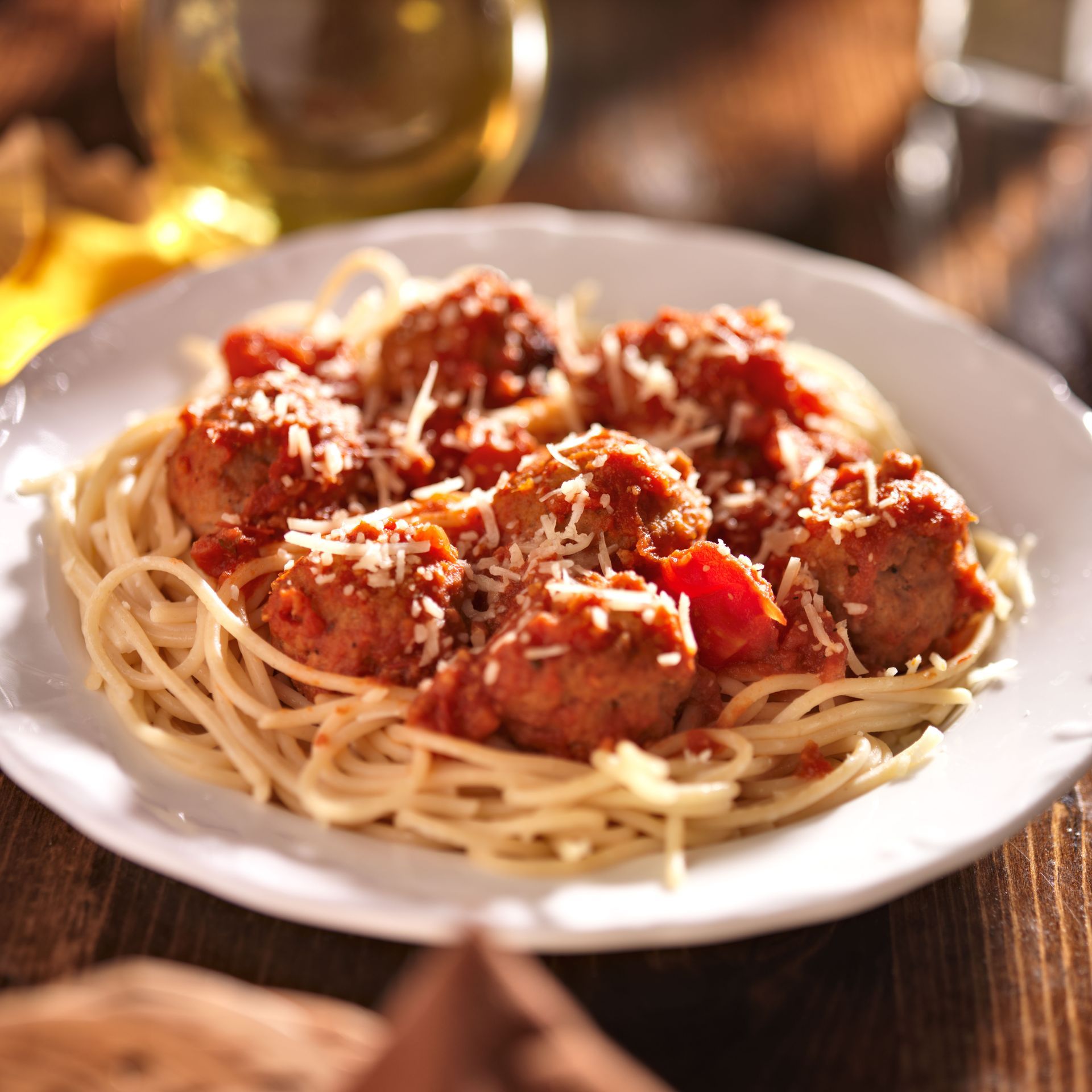
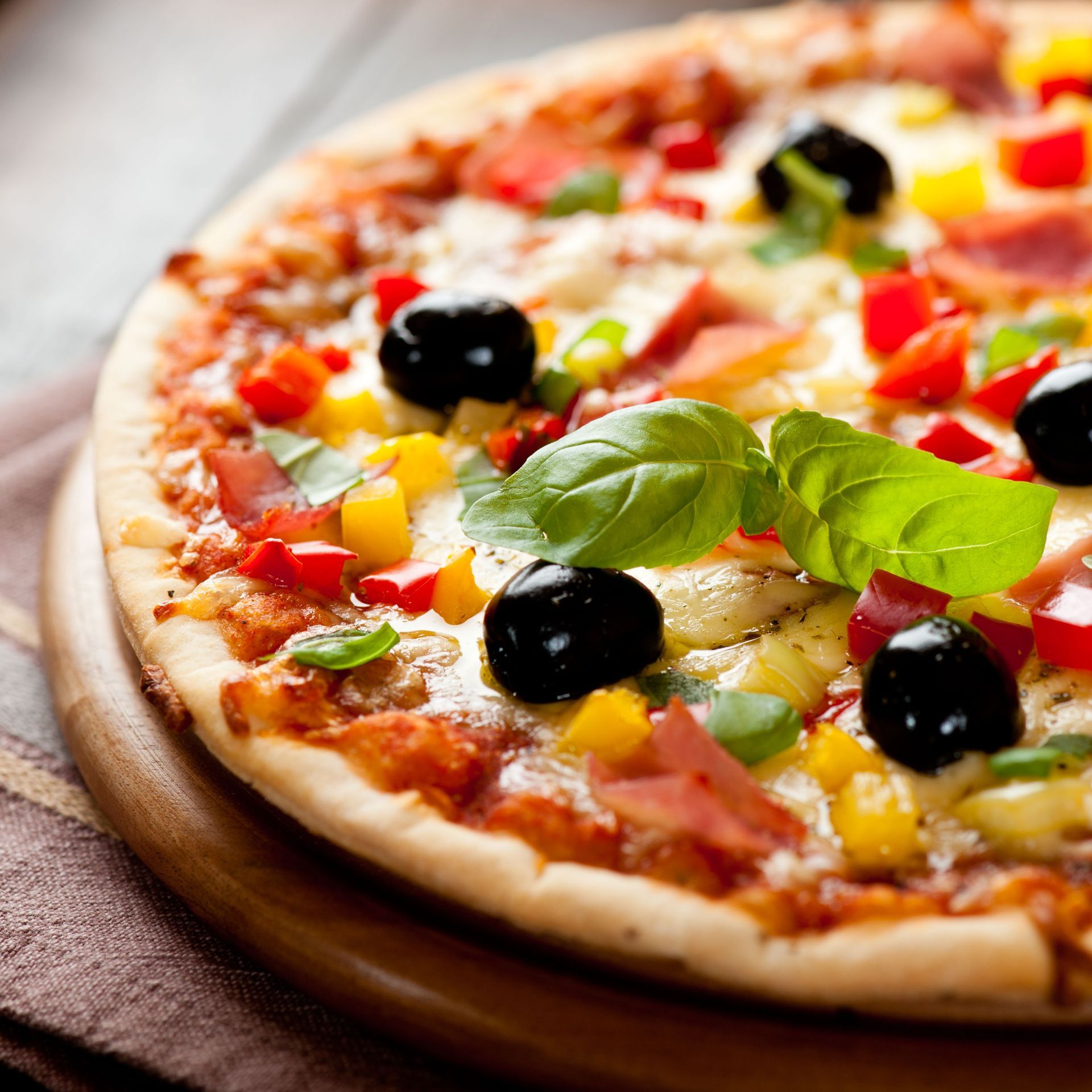
This dispersal also influenced the creation of Italian-American dishes, blending Italian roots with local flavors and cooking styles in their adopted countries. Dishes like pizza and pasta became cultural icons even outside of Italy, celebrated for their comforting, versatile nature. This global culinary exchange fostered hybrid gastronomy, enriching Italian cuisine with new variants and interpretations while reinforcing its international appeal.
Italian cuisine continues to captivate the world through its seamless blend of tradition, regional identity, and culinary craftsmanship. Rooted in centuries of history yet open to innovation, it reflects a deep respect for fresh ingredients, time-honored techniques, and the communal joy of sharing meals. With hundreds of pasta varieties, diverse regional specialties, and generations of chefs preserving its authenticity, Italian food offers more than nourishment—it tells stories of culture, family, and place. This enduring balance of heritage and creativity ensures that authentic Italian cuisine remains timeless, inviting each generation to savor its rich flavors and meaningful traditions. Reach out to Balistreri's Bluemound Inn to learn more about us today!