7 Things That Will Surprise You About Italian Food
By Jeremy Koss |January 28, 2026
Italian cuisine carries a timeless appeal that continues to enchant people around the globe. While most diners recognize classics such as pizza, pasta, and gelato, there exists a deeper, more intricate culinary world that often remains unexplored. This article uncovers the fascinating traditions, unexpected practices, and cultural insights that shape authentic Italian cooking. Italian food is far more diverse than many realize, and each dish reflects centuries of tradition influenced by geography, history, and regional pride. As more communities discover the joy of local Italian food, the appreciation for these culinary nuances continues to expand.
1. Exploring the Regional Diversity of Italian Cuisine
One of the most remarkable aspects of Italian cooking is the vast regional diversity that defines the country’s culinary identity. The northern regions favor rich, buttery dishes that reflect their cooler climate and abundance of dairy, while the southern regions embrace a Mediterranean profile filled with tomatoes, olive oil, and vibrant produce. These differences are not simply flavor preferences—they are the result of centuries of adaptation to local land and resources.
In Tuscany, rustic soups like “ribollita” showcase the agricultural foundations of the area, while the Emilia-Romagna region takes pride in its intricate pastas such as “tortellini.” With 20 distinct regions and countless micro-regions, Italy provides an immense range of dishes tied directly to local heritage. Even visitors who believe they know Italian food are often surprised to learn how dramatically flavors change as they travel across the country. This is also why local Italian food restaurants around the world attempt to highlight regional authenticity through carefully curated dishes.
Geography also influences preservation methods, agricultural practices, and daily cooking rituals. Coastal communities rely heavily on seafood, pairing the day's catch with fresh herbs and citrus, while mountainous areas are known for hearty stews and game meats. Regional food festivals celebrate these traditions, allowing communities to proudly share the dishes that have shaped their cultural identity for generations.
2. Appreciating the Complexity of Italian Sauces
Italian sauces extend far beyond a simple tomato base. Each region boasts signature sauces crafted from ingredients local to the area, creating an impressive tapestry of flavors. Piedmont’s “bagna càuda” blends anchovies, garlic, and olive oil to create a warm, savory dip, while Sicily’s “alla norma” features eggplant in a vibrant tomato sauce. These sauces reveal the sophistication and variation woven throughout Italian cuisine.
Pesto, originating from Liguria, is one of the most iconic Italian sauces, created from basil, pine nuts, olive oil, and cheese. Yet even this seemingly simple sauce has regional variations, including Sicily’s “pesto rosso,” which incorporates sun-dried tomatoes and almonds. Such adaptations show how Italian sauces evolve while still honoring traditional methods. Understanding the artistry behind these sauces helps diners appreciate the thoughtfulness behind authentic cooking, especially when exploring local Italian food establishments that strive to capture these flavors.
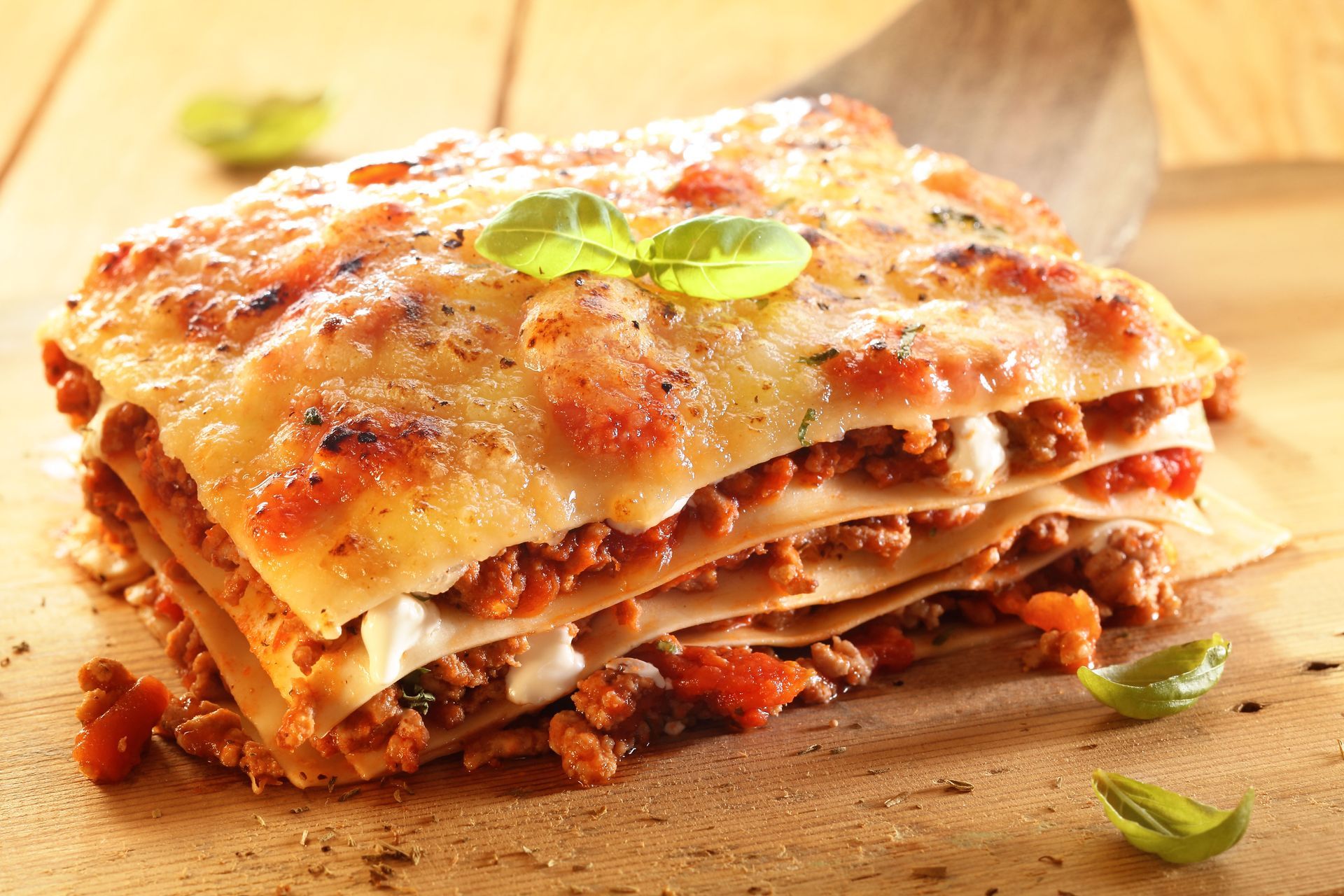
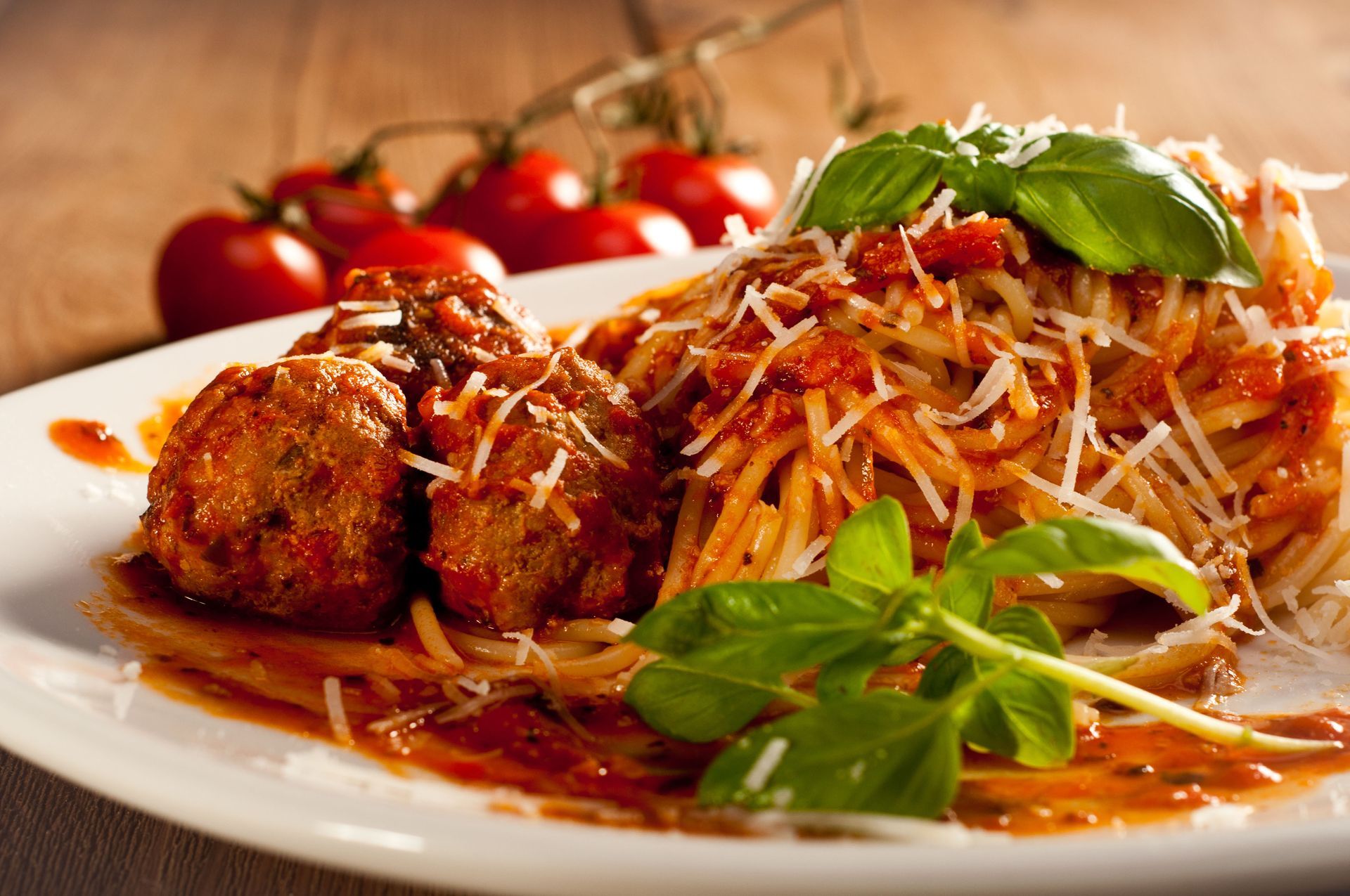
Italian ragù, which varies significantly between cities and regions, further demonstrates this complexity. “Ragù alla Bolognese” is slow-cooked with minced meat, wine, and milk, while “ragù alla Napoletana” features whole cuts of meat simmered in tomato sauce. Each sauce tells a unique story, and pairing pasta shapes with their ideal sauce—another distinctly Italian culinary practice—enhances the dining experience in ways many people never consider.
3. Discovering the Lesser-Known Bread Traditions
Italy’s bread culture is equally rich and varied, extending well beyond the popular focaccia and ciabatta. “Pane di Altamura,” made from durum wheat, is celebrated for its thick crust and airy interior. Milan’s “panettone,” though enjoyed globally during the holidays, remains deeply connected to Italian tradition. Each bread reflects the resources and rituals of the region from which it originates.
Bread serves more than a decorative role at the table—it is a vital element of the Italian dining experience. Italians often use bread to “fare la scarpetta,” or to scoop up the remaining sauce from their plates, demonstrating a cultural emphasis on minimizing waste and savoring every flavor. According to TouchBistro, 67% of Millennials and Gen Z use social media to help decide where to eat. This indicates how quickly dining habits evolve and how traditions like this continue to gain recognition among younger food enthusiasts exploring local Italian food options.
Other breads, such as Sardinia’s crisp “pane carasau,” originated from practical needs—shepherds required long-lasting bread during extended periods away from home. Many breadmaking traditions have been preserved through family recipes passed down for centuries, often showcased at food festivals or cultural events. These breads remind diners that Italian cuisine is deeply rooted in daily life, history, and community pride.
4. Recognizing the Global Influence of Italian Food Culture
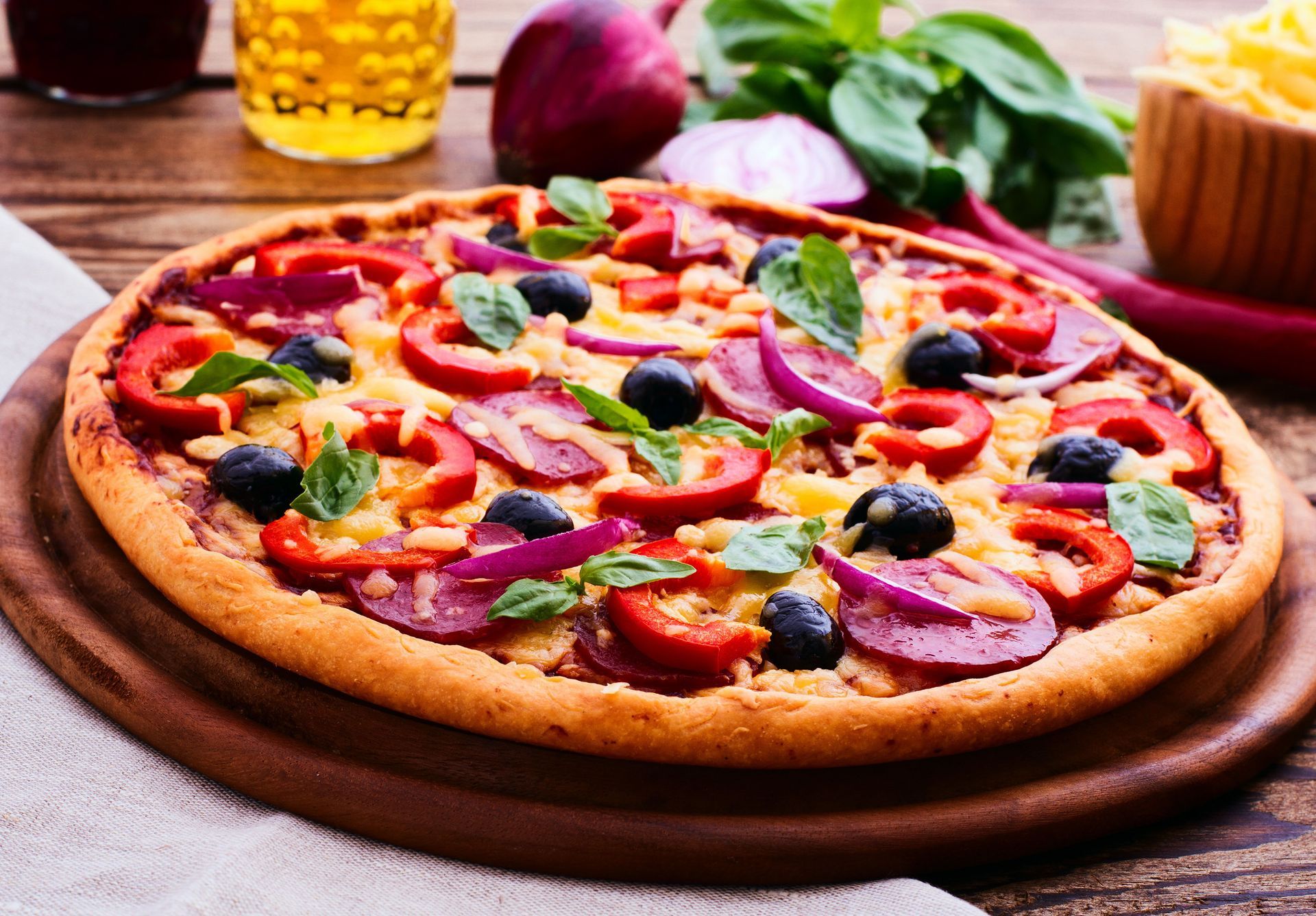
The worldwide impact of Italian cuisine is impossible to overlook. Italian immigrants introduced dishes like pasta and pizza to new countries, where these meals evolved to suit local tastes. American-style deep-dish pizza, for example, reflects cultural innovation steeped in Italian roots. These adaptations demonstrate the flexibility and creativity inherent in Italian cooking.
Signature Italian dishes such as gnocchi, risotto, and calzones have gained extraordinary popularity across the globe, becoming staples in countless restaurants. Their universal appeal reinforces the value of Italian culinary techniques and ingredients. Whether in small towns or major cities, diners continue to seek out local Italian food that preserves the feel and flavor of authentic cooking.
Italian chefs and restaurateurs have further advanced the cuisine’s global prominence. Many share traditional practices abroad while embracing local produce and flavors, creating fusion dishes that honor both heritage and innovation. These culinary collaborations enrich the global dining scene and inspire continued appreciation for Italian cuisine.
5. Understanding the Importance of Aperitivo Culture
“Aperitivo,” a cherished Italian pre-dinner ritual, blends social connection with light refreshments. Its origins date back to ancient times, though modern aperitivo emphasizes conversation, relaxation, and shared experience. This daily ritual embodies the Italian philosophy of enjoying life’s simple pleasures.
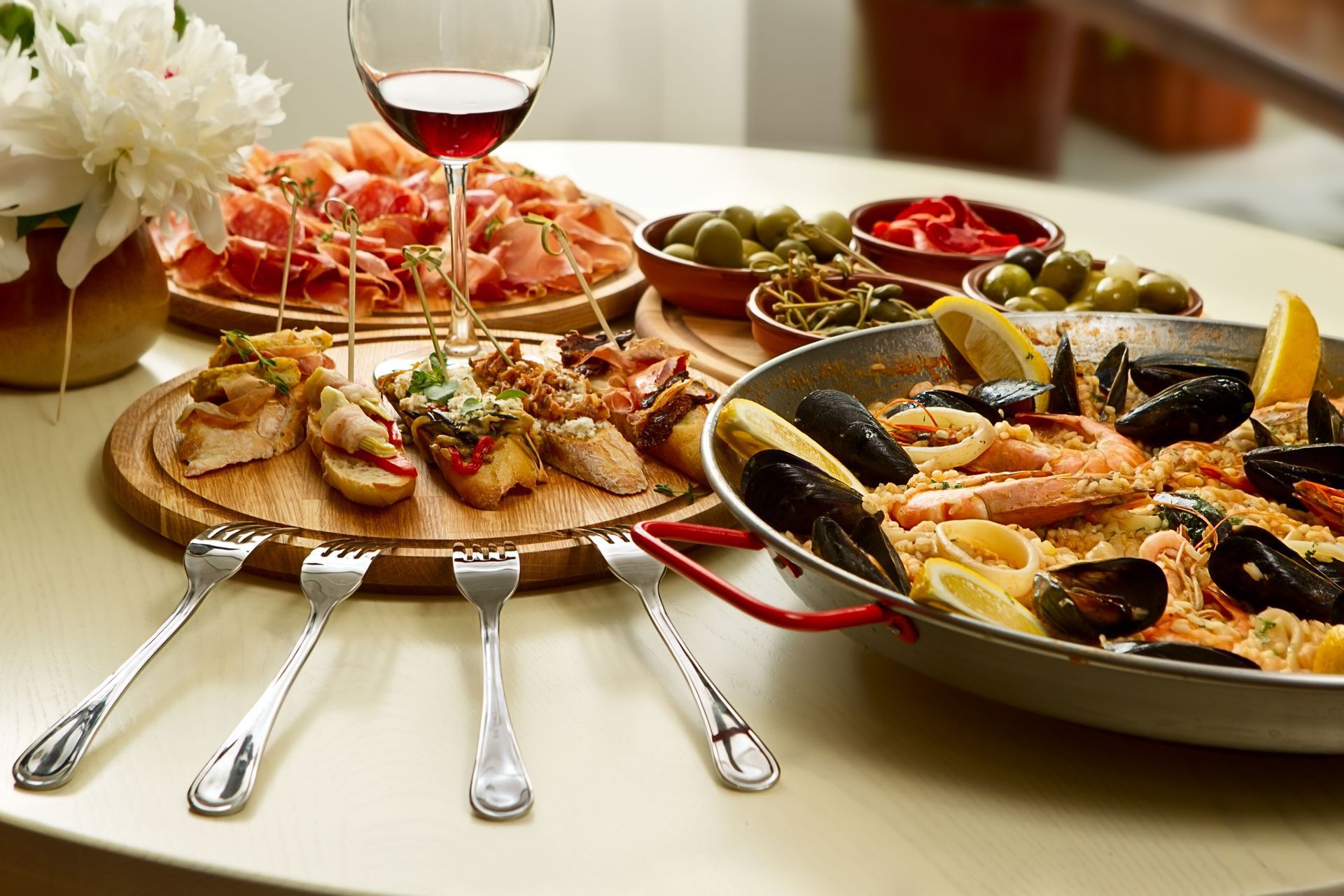
Typical aperitivo spreads include olives, cured meats, cheeses, bruschetta, and regional specialties known as “cicchetti.” Drinks such as “Aperol Spritz” and “Negroni” accompany these small bites, offering a refreshing and inviting start to the evening. Each region adds its own spin, demonstrating how social customs evolve while preserving tradition.
As aperitivo culture spreads internationally, it brings with it the spirit of community and hospitality. Restaurants around the world replicate its ambiance, creating experiences that mirror the Italian appreciation for meaningful connections.
6. Exploring Italian Desserts Beyond Gelato
Italy’s dessert offerings extend far beyond its world-famous gelato. Treats such as “cannoli,” “tiramisu,” and “cassata” showcase regional specialties and diverse ingredients. These sweets highlight Italian dedication to flavor, texture, and tradition.
Seasonal desserts hold special meaning within Italian culture. “Panettone,” a Christmas staple, is enjoyed with family during festive celebrations. Such desserts bring people together, symbolizing unity, prosperity, and shared joy throughout the holidays.
Italy’s rich dessert culture reflects creativity and craftsmanship. Specialty ingredients like mascarpone, ricotta, and zabaglione form the backbone of many beloved sweets. As pastry chefs innovate, Italian desserts continue to influence menus across the world, elevating both traditional and modern interpretations.
7. Celebrating the Enduring Legacy of Italian Cuisine
Italian cuisine is a vibrant tapestry woven from centuries of tradition, regional pride, and culinary artistry. Whether savoring a handmade sauce, sampling regional bread, or exploring new variations of classic desserts, diners worldwide continue to discover—and rediscover—the joy of local Italian food. Its impact on global culinary culture remains profound, inspiring countless chefs, home cooks, and food lovers across generations. For those eager to experience authentic flavors and timeless traditions, now is the perfect moment to enjoy exceptional dishes and warm hospitality at Balistreri’s Bluemound Inn.