Authentic Italian Food: What It Truly Means
By Jeremy Koss |January 26, 2026
Italian cuisine represents centuries of tradition, culture, and regional diversity. From the sun-drenched coasts of Sicily to the rolling hills of Tuscany, every dish tells a story rooted in history and local ingredients. Experiencing these flavors in a local Italian restaurant allows diners to enjoy authentic tastes that are difficult to recreate at home. With each bite, you connect to a culinary tradition that has been refined over generations.
Whether it's the richness of a perfectly crafted risotto or the comforting layers of lasagna, Italian food offers a sensory experience that goes beyond nourishment. Its versatility is reflected in both humble everyday dishes and elaborate meals meant for celebrations. Restaurants dedicated to Italian cuisine strive to honor these traditions while adapting to modern tastes. According to the National Restaurant Association, 9 in 10 customers say restaurants allow them to enjoy a favorite meal that has flavor and taste sensations they can't easily replicate at home, showing the special value of dining out.
The Origins and Evolution of Italian Cooking
The roots of Italian cuisine stretch back to ancient times, shaped by the Etruscans, Greeks, and Romans. Each civilization introduced new ingredients and cooking methods, creating a melting pot of flavors. The Romans, for instance, brought spices, grains, and exotic foods from across their empire, influencing local cooking practices. This fusion of ideas laid the foundation for what would become a rich and varied culinary tradition. Even today, classic Italian dishes carry echoes of these early influences.
Over time, Italian cooking evolved, integrating new ideas while maintaining its focus on fresh, simple ingredients. Meals were often designed to highlight the natural flavors of seasonal produce and local livestock. These ancient practices emphasized balance and harmony in flavor, a principle that still guides Italian chefs. Working with trusted recipes and techniques passed down through generations ensures that every dish remains true to its origins. Visiting a local Italian restaurant offers diners a chance to taste these traditions in every dish.
During the Renaissance, Italian cuisine began to flourish as culinary practices became more sophisticated. Wealthy families documented recipes, elevating cooking into an art form. Chefs experimented with new techniques and ingredients, laying the groundwork for regional specialties. The Renaissance emphasized not only taste but also presentation, making meals visually appealing as well.
Italy's geography has shaped the unique characteristics of its regional cuisines. The north, with its cooler climate, favors hearty dishes with cheese, butter, and rich meats. Central Italy focuses on simplicity, letting fresh vegetables, legumes, and lean meats shine. In the south, Mediterranean influences bring vibrant flavors, featuring tomatoes, olives, and citrus. Each region's cooking reflects its history, climate, and available ingredients. The diversity of Italian cuisine is what makes it so beloved worldwide. Eating at a local Italian restaurant gives people the chance to taste this spectrum of regional flavors without leaving their city.
Essential Ingredients That Define Italian Cooking
Olive oil is central to Italian cuisine, acting as the foundation for countless dishes. Italy produces some of the world's finest olive oils, each with distinct aromas depending on its region of origin. It's used in everything from drizzling over salads to cooking vegetables and meats. Chefs understand how to highlight olive oil's flavor, ensuring it complements rather than overpowers a dish. Its careful use can transform even simple recipes into memorable meals.
Herbs like basil, rosemary, and oregano are indispensable in Italian kitchens. Fresh herbs provide aromatic layers and elevate even the simplest recipes. For example, basil pairs beautifully with tomatoes in a Caprese salad, while rosemary enhances roasted meats. House chefs rely on these herbs to create signature flavors. Herbs are often added at different stages of cooking to maximize their effect. This attention to detail reflects the emphasis on freshness and quality in Italian cuisine.
Cheese is another hallmark of Italian cooking, with Parmigiano-Reggiano, mozzarella, and ricotta being most common. Each cheese serves a specific purpose, from grating over pasta to melting into lasagna layers. Cheese production is often a regional art, with traditions passed down for generations. Its flavor, texture, and creaminess add depth to dishes, enhancing every bite. In a local Italian restaurant, chefs carefully select cheeses to ensure authenticity and quality. Pairing the right cheese with the right dish is essential to achieving the intended taste.
Techniques That Make Italian Cuisine Special
Risotto exemplifies Italian precision and patience in cooking. Slowly adding broth to rice releases starches gradually, creating a creamy texture. Attention to timing and technique is essential to achieving the perfect consistency. The process emphasizes the importance of patience in Italian culinary practice. Chefs often take pride in crafting risotto with the same care and dedication. Every bite captures the essence of Italian culinary artistry, blending flavor and texture harmoniously.
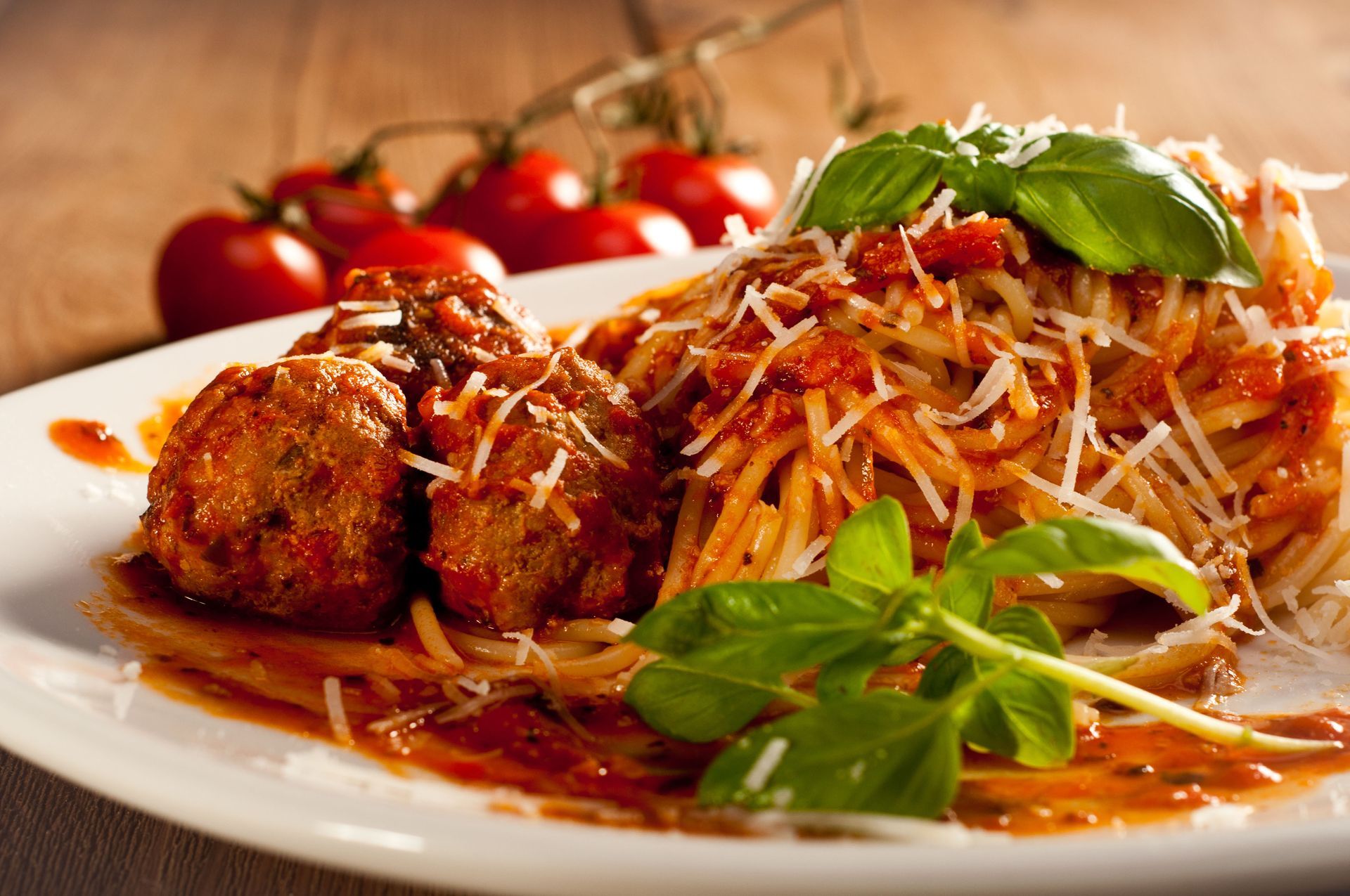
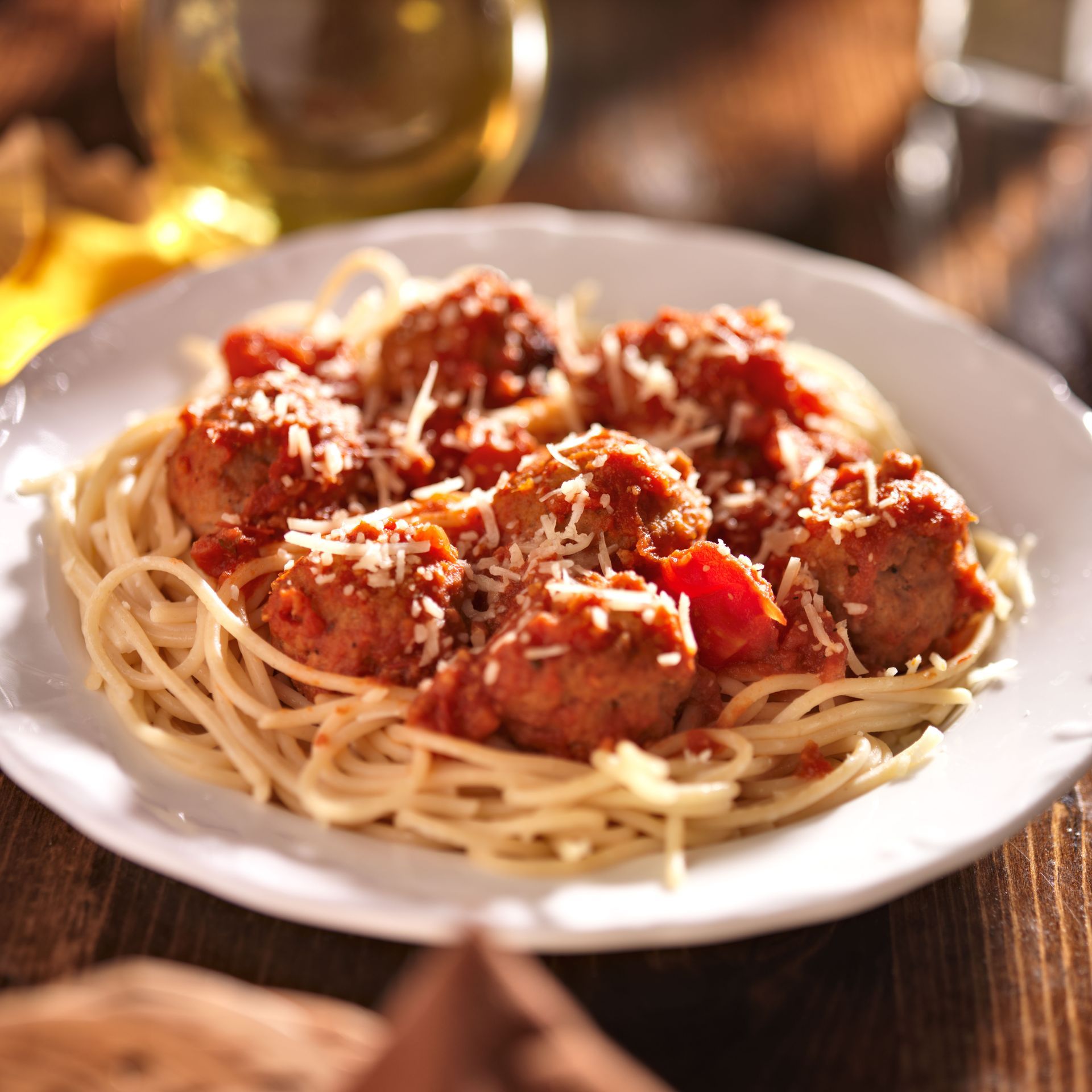
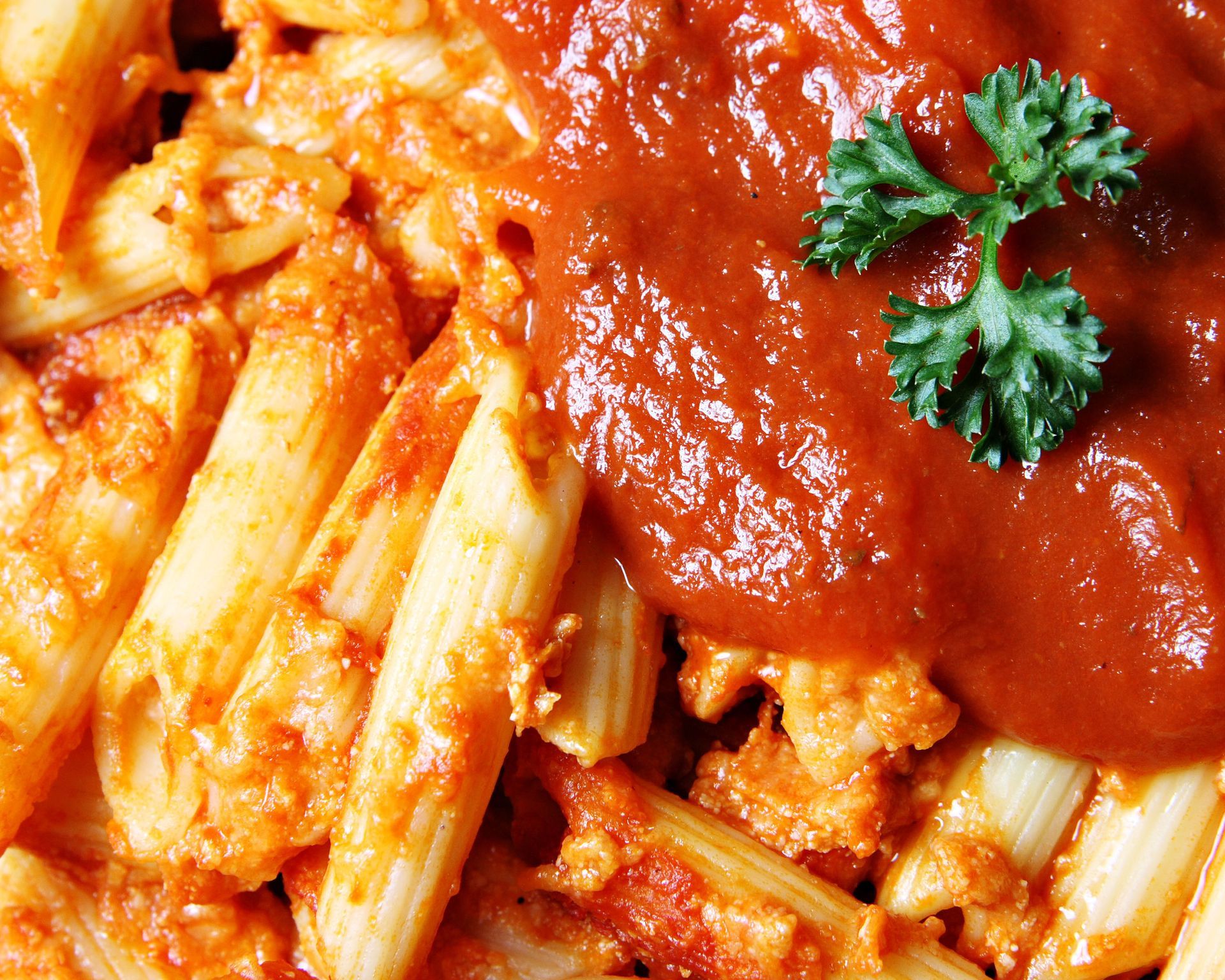
Pasta making is a cornerstone of Italian culinary tradition. Simple ingredients like flour and eggs become a wide variety of shapes, each paired with sauces designed to enhance flavor absorption. Techniques vary regionally, reflecting local preferences and traditions. Pasta is a daily expression of Italy's cultural and culinary heritage. Italian restaurants bring this tradition to life by preparing fresh pasta in-house. Expert chefs ensure that each shape, sauce, and seasoning is perfectly balanced.
Grilling and roasting are essential methods in Italian cooking. Techniques focus on enhancing natural flavors, often with minimal seasoning. Cooking over open flames or in ovens allows the meat to develop richness and texture. Simple, high-quality ingredients take center stage, highlighting Italy's emphasis on flavor and quality. These methods are staples in a local Italian restaurant, where chefs carefully monitor heat and timing. The result is tender, flavorful meat that feels authentic and satisfying.
Iconic Dishes and Dining Culture
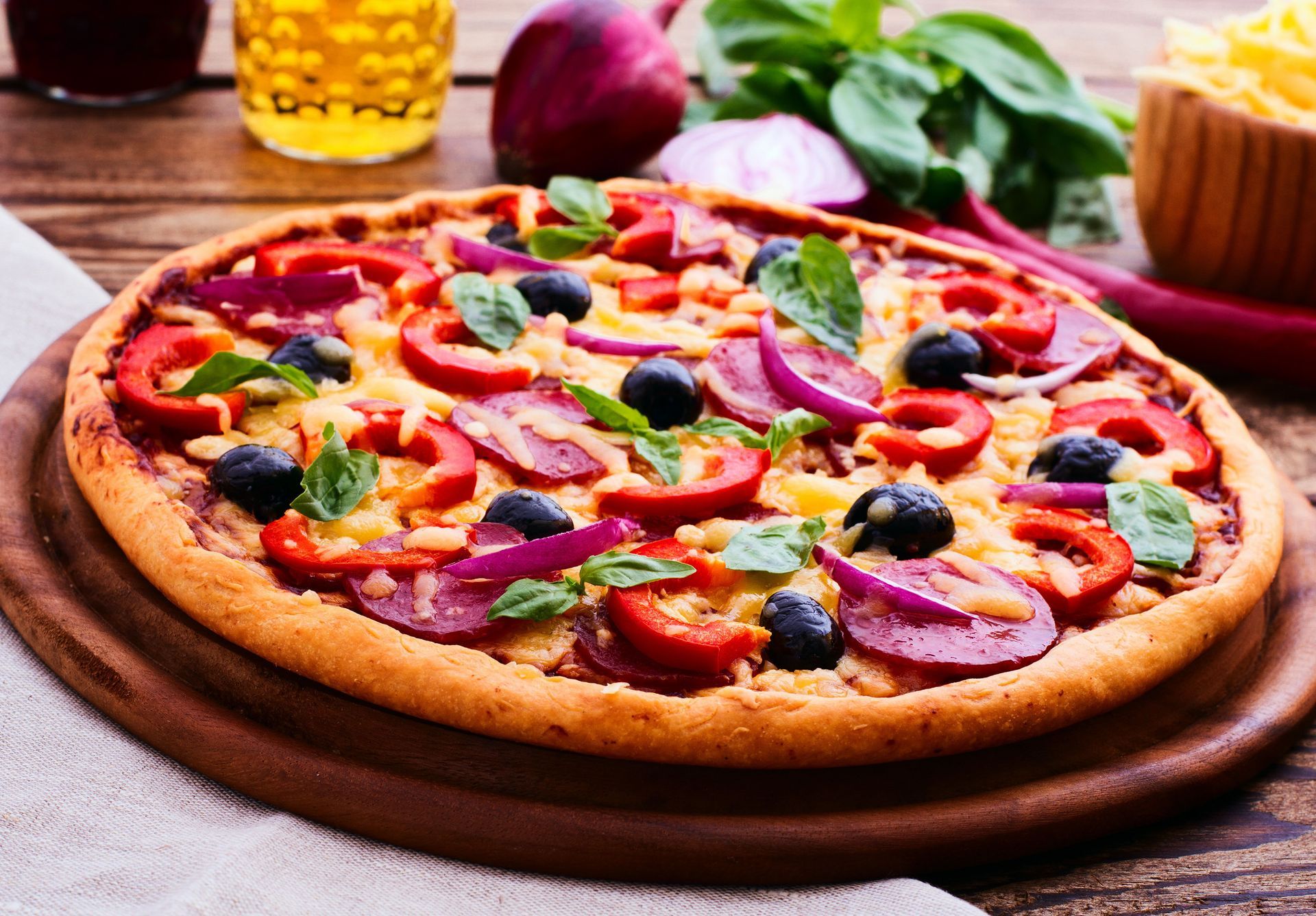
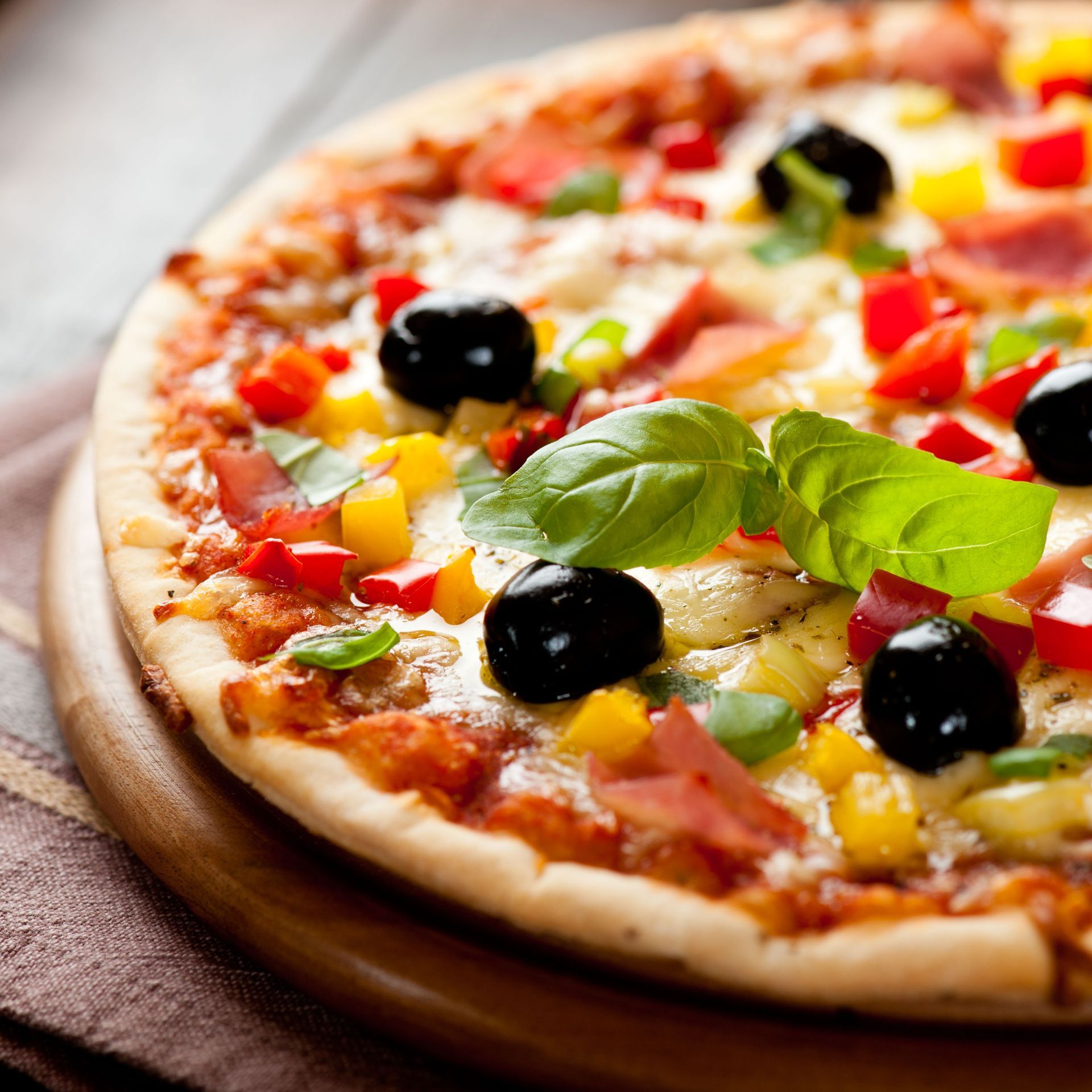
Pizza, particularly Neapolitan-style, is a global symbol of Italian cuisine. Authentic pizza features fresh tomatoes, mozzarella, and basil, representing Italy's national colors. Cooked in a wood-fired oven, it achieves a tender, slightly charred crust. Pizza showcases Italian creativity and simplicity, making it beloved worldwide. When you visit a local Italian restaurant, you can taste an authentic slice that honors this tradition. Every ingredient is chosen carefully to replicate the flavor of Naples. Pizza exemplifies the art of balance and quality that Italian cuisine values.
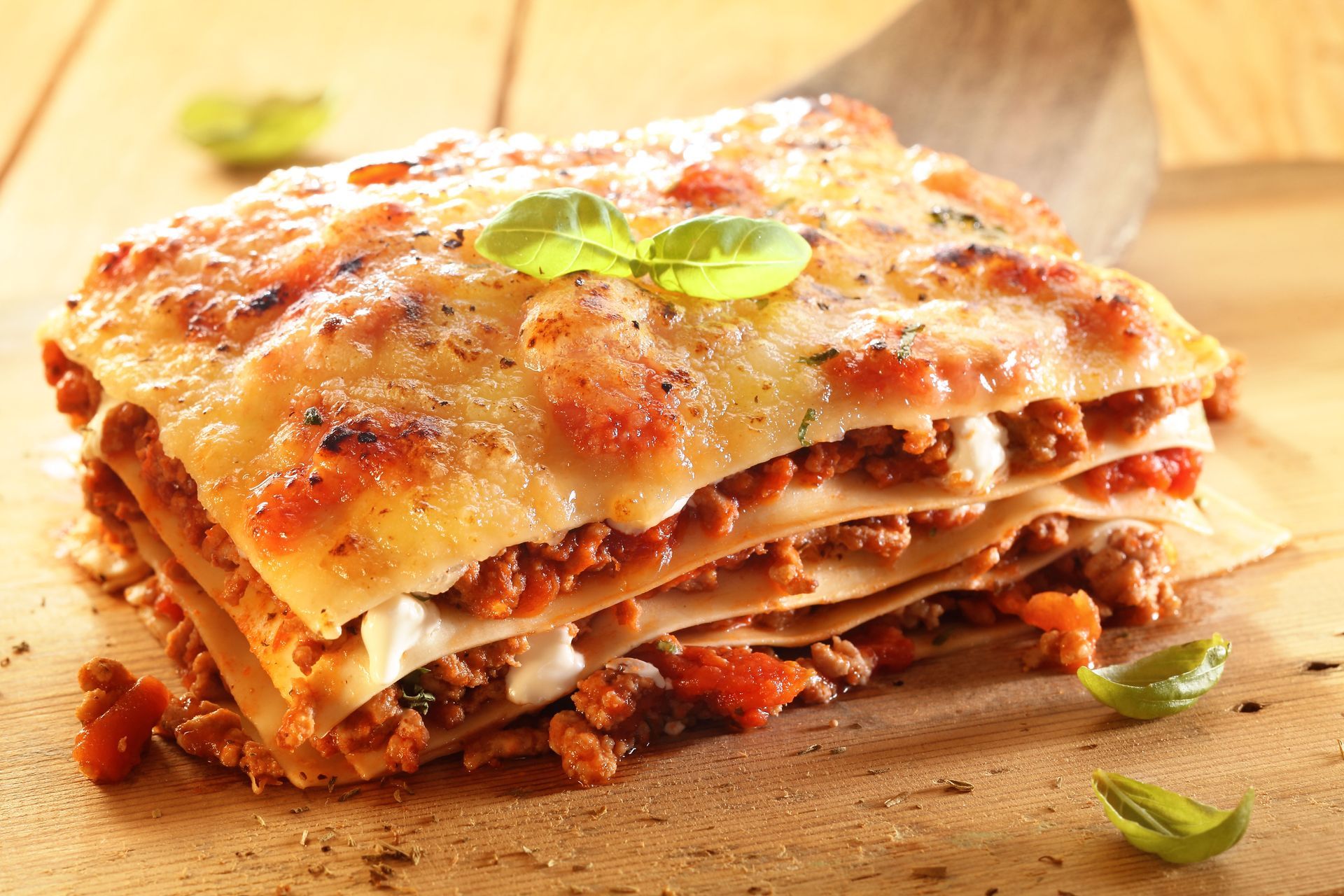
Lasagna has been a staple of Italian comfort food for generations. Layers of pasta, rich sauces, cheese, and sometimes meat create a hearty, satisfying dish. Originating in Emilia-Romagna, lasagna highlights the importance of high-quality, local ingredients. It's a dish that brings families together and showcases Italian culinary patience.
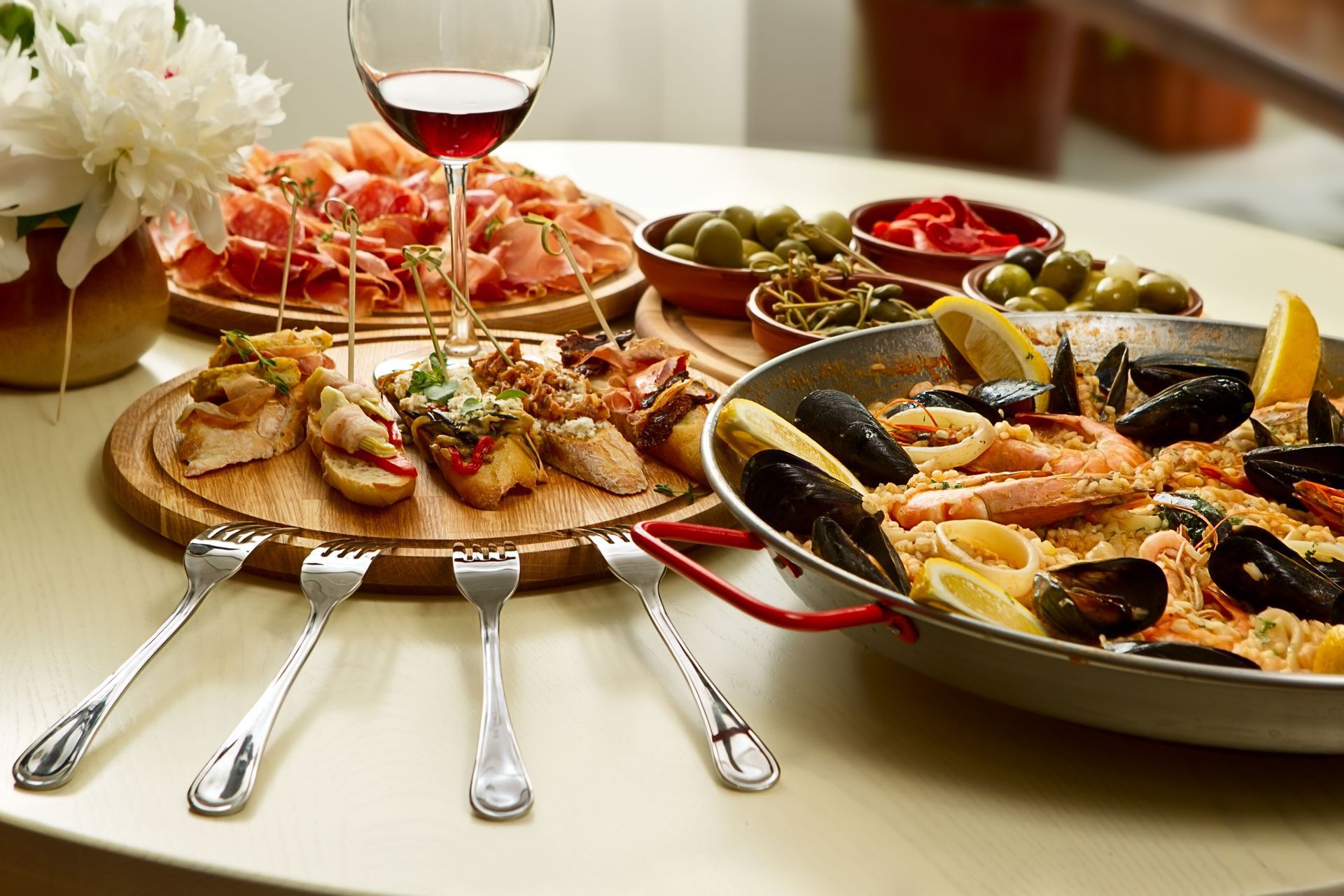
Multi-course meals are designed to bring people together, fostering conversation, relaxation, and connection among family and friends. Thoughtful wine pairings enhance the flavors of each dish while highlighting the region's rich viticulture. Dining at a local Italian restaurant offers an experience that celebrates both the food and the relationships shared around the table. This approach to meals emphasizes that eating is a way to honor tradition, create memories, and enjoy life together.
Italian cuisine continues to captivate the world with its rich flavors, history, and cultural significance. Visiting a local Italian restaurant allows diners to experience authentic dishes made with care, tradition, and skill. From fresh ingredients to classic techniques, Italian cooking remains a celebration of both taste and togetherness. Whether enjoying pizza, pasta, or a carefully crafted risotto, each meal connects you to centuries of culinary artistry. To experience an authentic dining experience, visit Balistreri's Bluemound Inn.