The Ultimate Guide to Experiencing a Classic Italian Restaurant
By Jeremy Koss |December 23, 2025
Classic Italian dining captures the essence of tradition, culture, and heartfelt hospitality. A true Italian restaurant is more than a place to eat —it is a space where history, family customs, and culinary artistry come together to create an experience that feels both warm and meaningful. From the moment you step inside, you are invited into a world shaped by generations of cooking techniques, regional influences, and a deep reverence for food as a shared joy. According to IBISWorld, the market size of the Italian Restaurants industry in the United States is $94.8 billion in 2025, showing the powerful and lasting appeal of Italian cuisine across the country.
Part of what makes an Italian restaurant so beloved is the sense of connection it fosters. Italian dining is rooted in the belief that meals should be unhurried, flavorful, and enjoyed with good company. This perspective —combined with the country's diverse culinary landscapes —creates an experience that feels both timeless and transportive. Whether you're savoring a classic pasta dish, enjoying a regional seafood specialty, or indulging in a decadent dessert, each moment reflects the Italian philosophy that food is meant to be celebrated. Understanding the traditions behind Italian dining reveals why these establishments continue to flourish and why diners seek them out for comfort, authenticity, and a taste of “La Dolce Vita.”
Experiencing the Atmosphere and Hospitality of Italian Dining
The ambiance of an Italian restaurant plays a defining role in setting the tone for the entire meal. Classic establishments often feature rustic décor —wooden tables, soft lighting, terracotta accents, and warm color palettes that evoke the feeling of a cozy trattoria in Italy. Light Italian music drifts through the room, creating an inviting backdrop that encourages guests to relax, settle in, and enjoy the moment. This atmosphere is intentionally designed to feel like home, reinforcing the Italian belief that dining should be an experience, not just an obligation.
Equally important is the hospitality that accompanies the surroundings. An authentic Italian restaurant welcomes guests with genuine warmth, often treating them like family from the moment they arrive. Servers may offer personalized recommendations, inquire about preferences, or remember previous visits. This level of attentiveness is rooted in Italian cultural values —where care, generosity, and connection are essential elements of hospitality. Guests frequently feel looked after, not in a formal or distant way, but in a manner that feels personal and sincere.
Many Italian restaurants blend traditional values with modern conveniences, such as digital menus or online reservations. Although these tools streamline the dining process, they do not diminish the personal touch that defines Italian hospitality. Whether incorporating regional décor or offering thoughtful service, Italian restaurants maintain the balance between tradition and innovation, ensuring a memorable experience with every visit. By seamlessly combining old-world charm with modern efficiency, these restaurants create an environment where guests can enjoy both comfort and convenience without sacrificing authenticity.
Appreciating Regional Influences and the Spirit of “La Dolce Vita”
Italy's culinary identity is shaped heavily by its regions, each offering distinct ingredients, techniques, and specialties. Northern Italy presents rich, creamy dishes featuring butter, cheeses, and risotto. Central Italy highlights fresh herbs, olive oil, and hearty yet simple preparations. Southern Italy embraces tomatoes, seafood, olives, and bold seasonings that reflect its Mediterranean climate. When an Italian restaurant incorporates these regional differences, it creates a menu that allows diners to explore Italy's diversity one dish at a time.
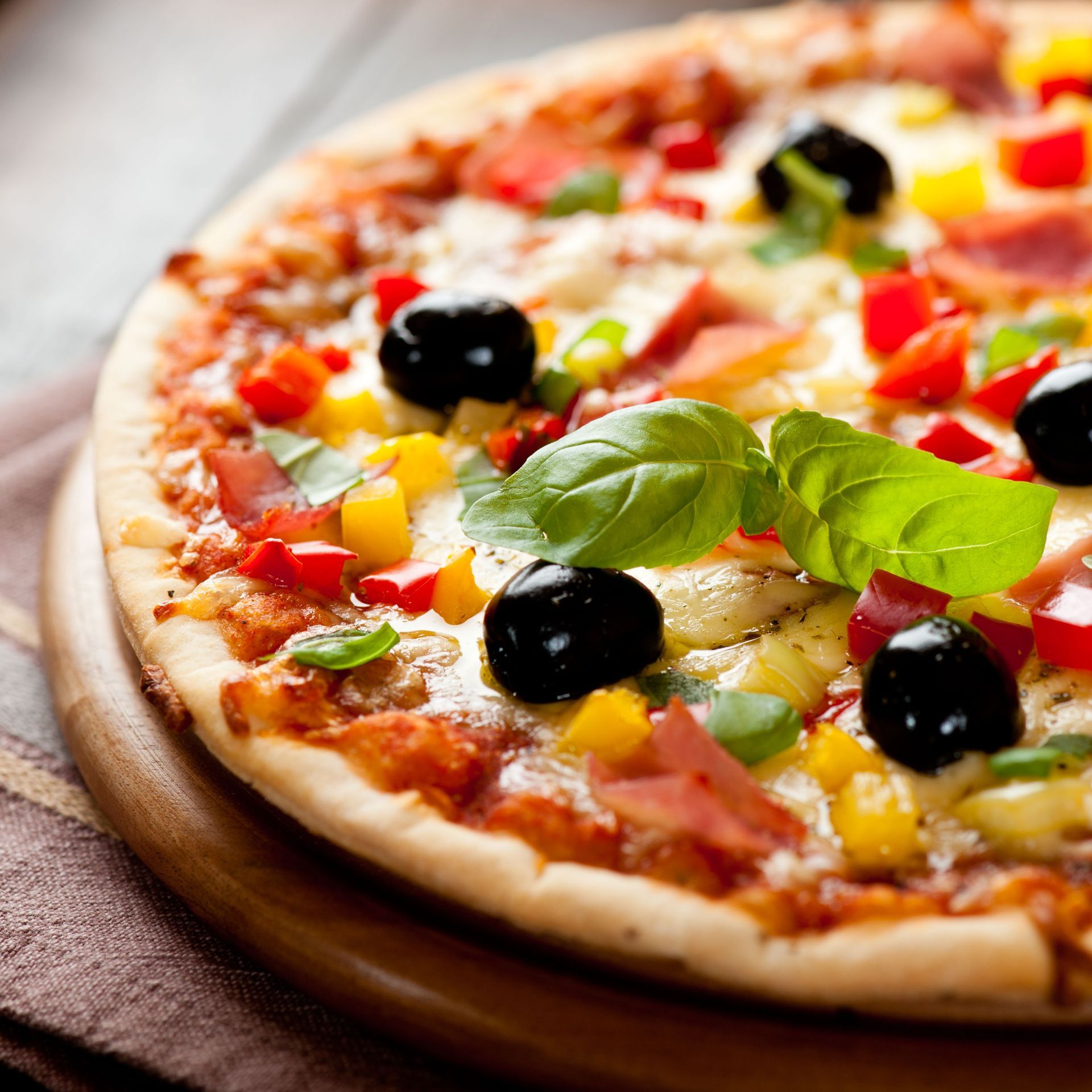
Geography influences these flavors deeply. The fertile northern plains provide the ideal environment for rice cultivation, making risotto a beloved staple. Mountainous central regions inspire rustic dishes layered with depth and simplicity.Coastal regions deliver an abundance of fresh seafood, transforming local catch into vibrant culinary creations. Whether enjoying cacio e pepe from Lazio, arancini from Sicily, or Neapolitan pizza from Campania, diners at an Italian restaurant are given a true taste of Italy's agricultural richness and cultural history.
This diversity blends seamlessly with the Italian philosophy of “La Dolce Vita” —the sweet life. This mindset encourages savoring each moment, appreciating good food, and enjoying the company around you. Meals are meant to be slow, thoughtful, and rich in conversation. In an Italian restaurant, guests are encouraged to embrace this philosophy through leisurely dining, shared dishes, and an atmosphere that celebrates life's small joys. “La Dolce Vita” symbolizes the deeper meaning behind Italian dining, transforming meals into cherished experiences rather than hurried obligations.
Exploring the Italian Menu and Its Culinary Traditions
Italian menus are intentionally structured to guide diners through a layered and meaningful culinary journey. Understanding this progression highlights the thoughtful design behind each course and the importance of savoring flavors in a sequence that respects tradition.
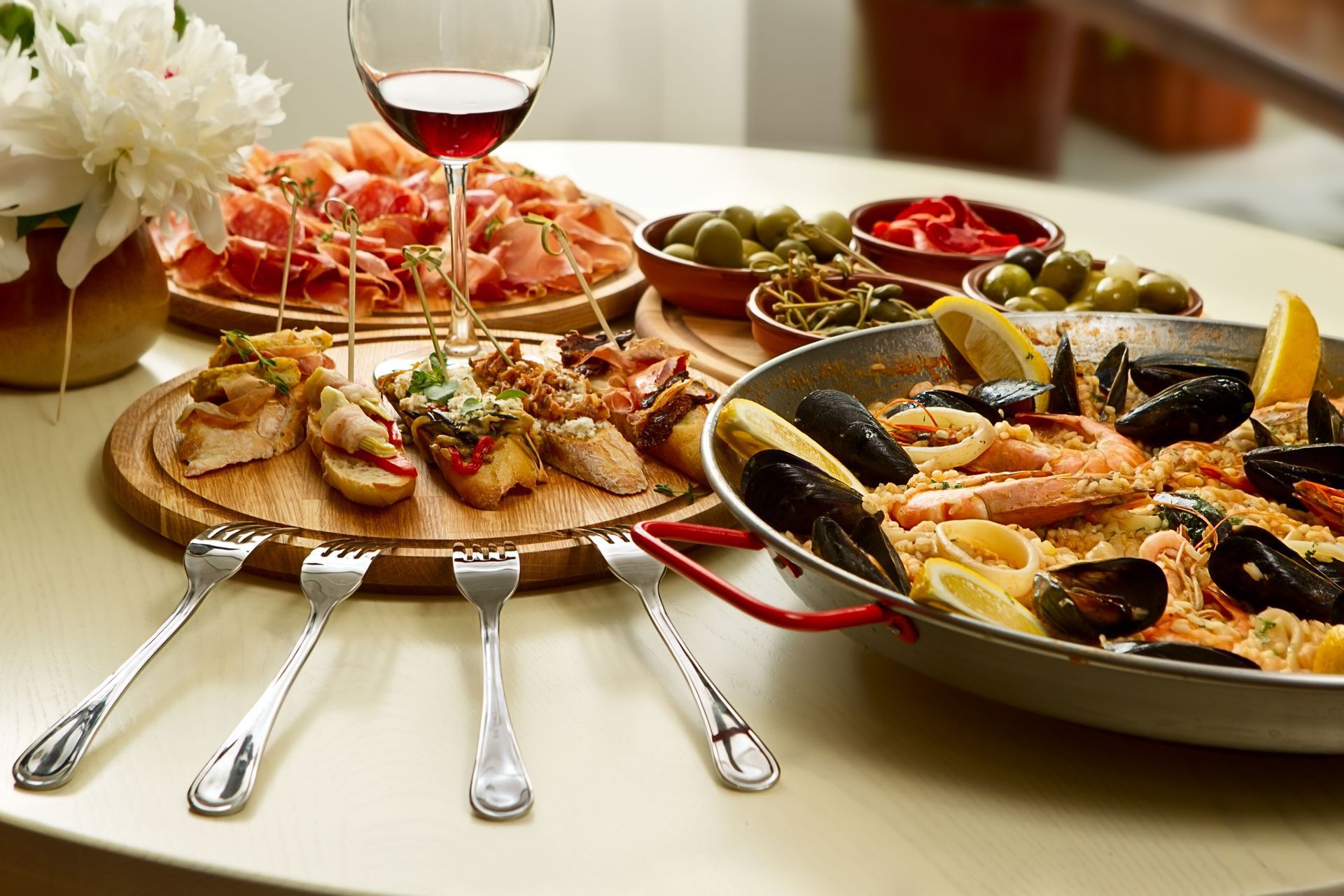
Meals often begin with small appetizers crafted to awaken the palate. These may include marinated vegetables, olives, prosciutto, artichokes, or simple bruschetta. These dishes are typically light, fresh, and ideal for sharing, encouraging conversation and setting a welcoming tone.
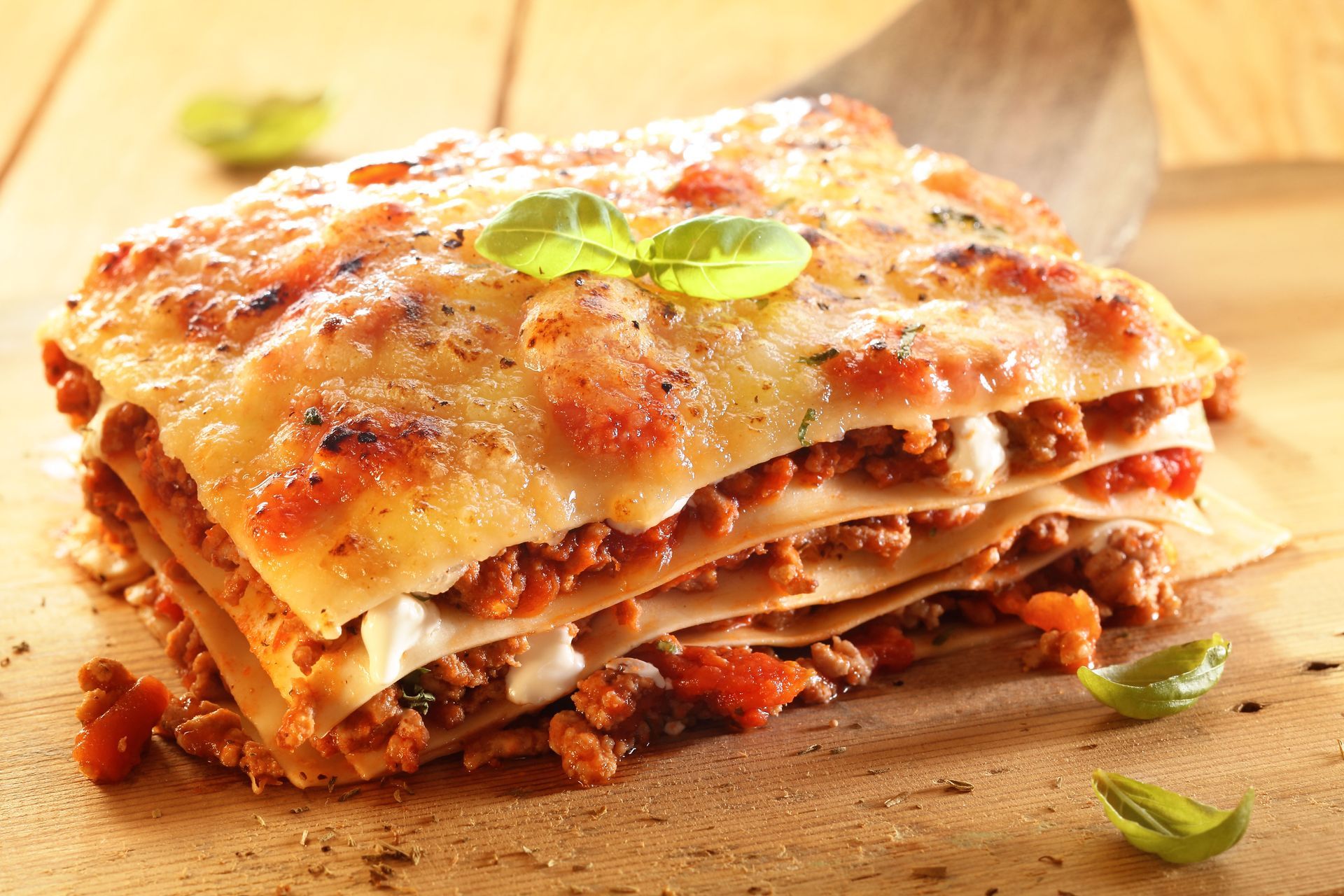
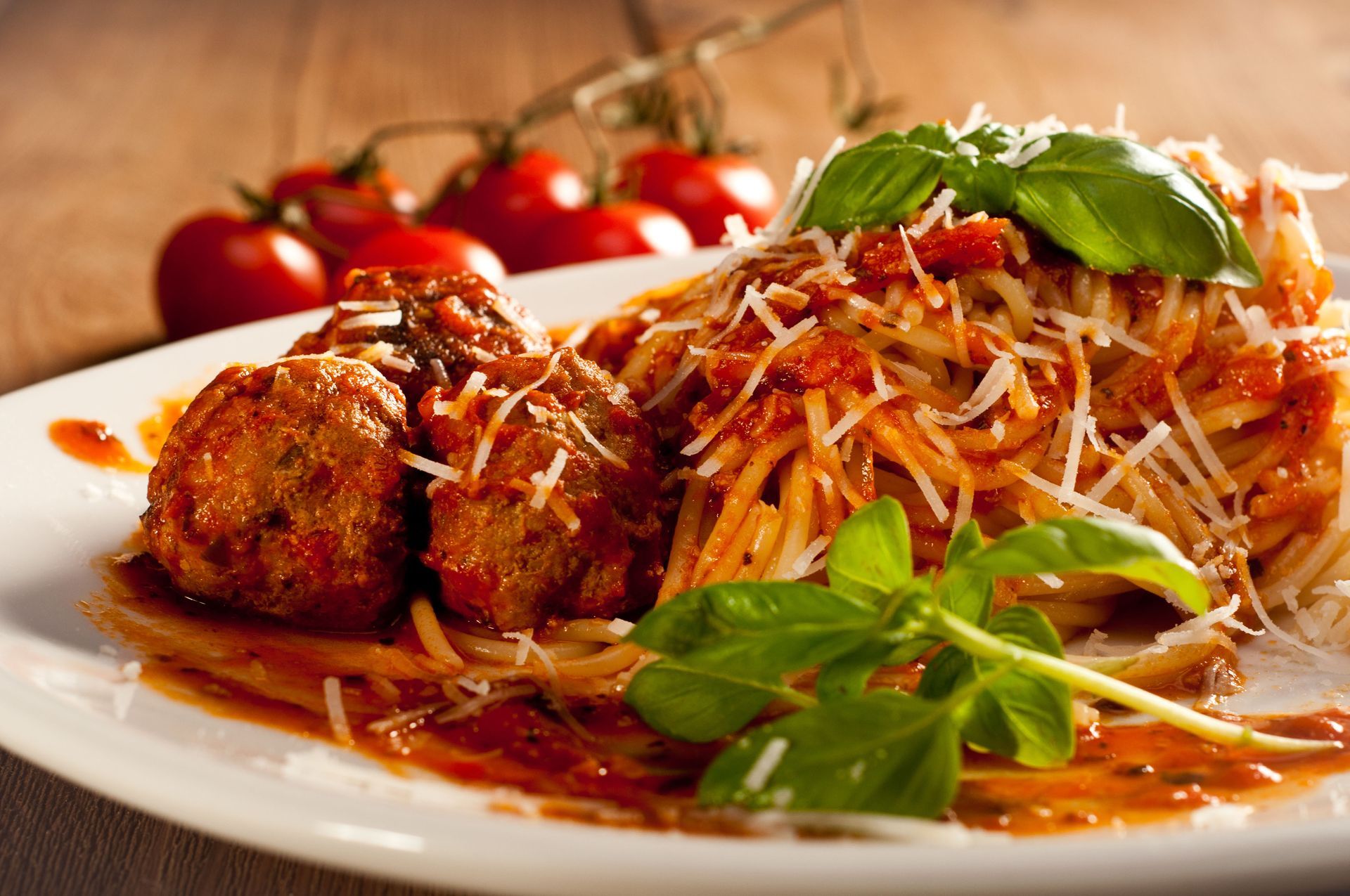
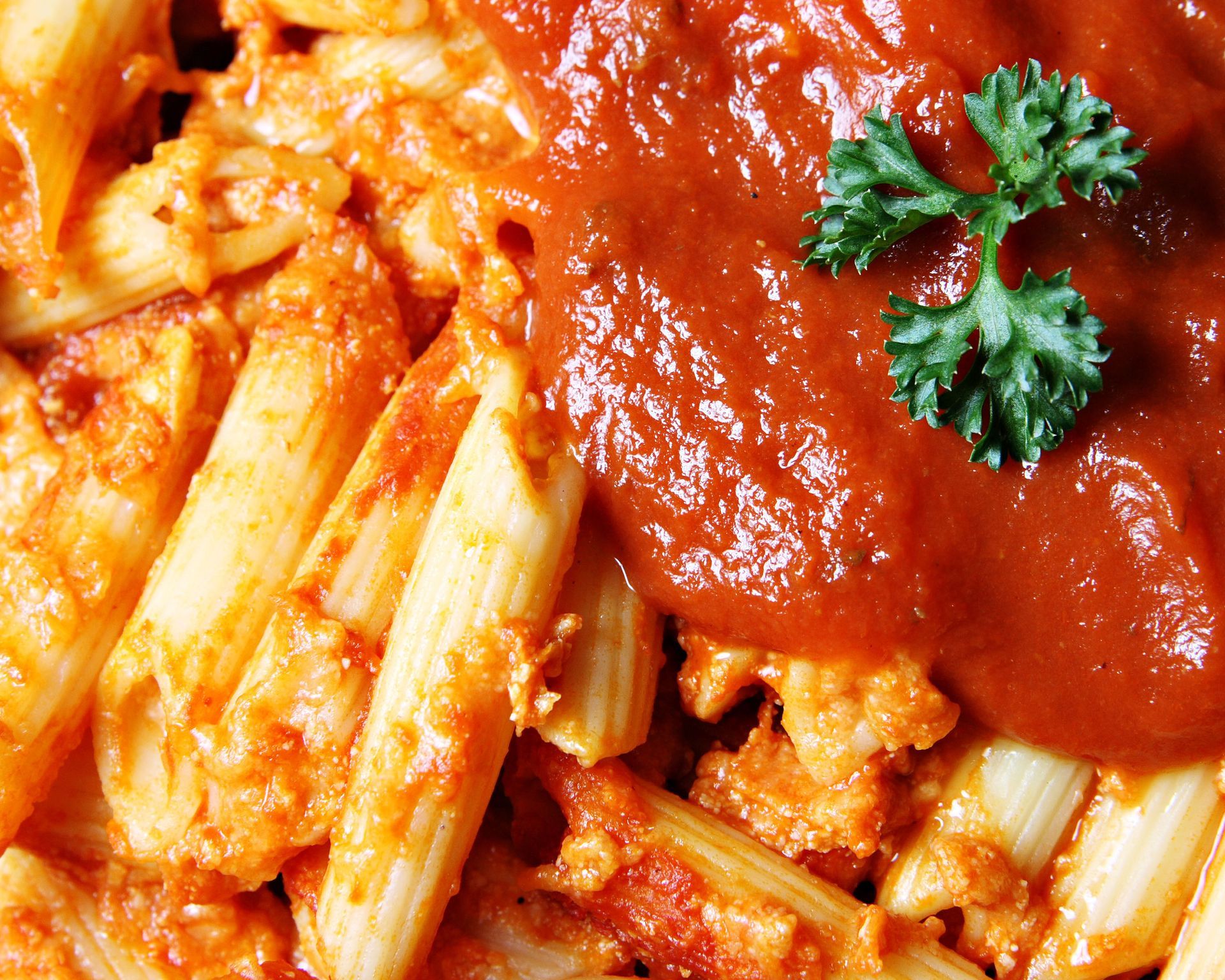
The first course traditionally highlights pasta or risotto. This stage showcases some of Italy's most iconic dishes, each rooted in regional history. Pasta sauces may feature fresh herbs, seasonal produce, or slow-cooked meats, while risotto reflects northern Italy's love of creamy, comforting flavors. Fresh ingredients and careful techniques ensure that each dish feels authentic and deeply flavorful.
The second course presents more substantial dishes such as grilled meats, seafood, or poultry. These recipes honor Italy's agricultural heritage and coastal abundance. From Tuscan steak to seafood specialties along the Mediterranean, second courses highlight the natural quality of ingredients through simple, traditional cooking methods.
Dessert completes the journey with a sweet flourish. Classic favorites like tiramisu, panna cotta, and cannoli bring together rich creams, chocolates, citrus, and nuts. Served with espresso or dessert wine, these treats offer a satisfying finale that reflects Italy's passion for artistry in every aspect of dining.
Throughout the meal, wine plays a complementary role. Italian restaurants often feature selections from regions such as Tuscany, Piedmont, and Sicily, showcasing wines with distinctive terroirs and character. Whether selecting a crisp white or a bold red, the right pairing enhances the meal and deepens the connection to regional Italian traditions.
Appreciating the Structure and Ritual of the Italian Meal
The structure of a traditional Italian meal is rooted in balance, harmony, and respect for culinary rhythm. Each course has a specific purpose and builds upon the flavors that came before. This deliberate pacing encourages diners to slow down, enjoy each bite, and appreciate the experience fully.
Italian restaurants honor this structure because it reflects cultural values: food should nourish the spirit as much as the body, and mealtime should invite relaxation, conversation, and enjoyment. When guests embrace this ritual, they experience the heart of Italian culture —one that celebrates family, community, and the simple pleasures that define “La Dolce Vita.”
Classic Italian dining remains popular because it blends tradition, regional diversity, warm hospitality, and unforgettable flavors. From the welcoming atmosphere to the thoughtfully structured meal, an Italian restaurant offers an experience that is both comforting and enriching.
If you're ready to experience authentic dishes, enjoy heartfelt hospitality, and discover the beauty of tradition, visit a classic
Italian restaurant and savor the flavors that have captivated diners for generations. Your next unforgettable meal is waiting —pull up a chair and enjoy the true taste of Italy at Balistreri's Bluemound Inn.