Exploring the Rich Culture Behind Italian Dining
By Jeremy Koss |December 15, 2025
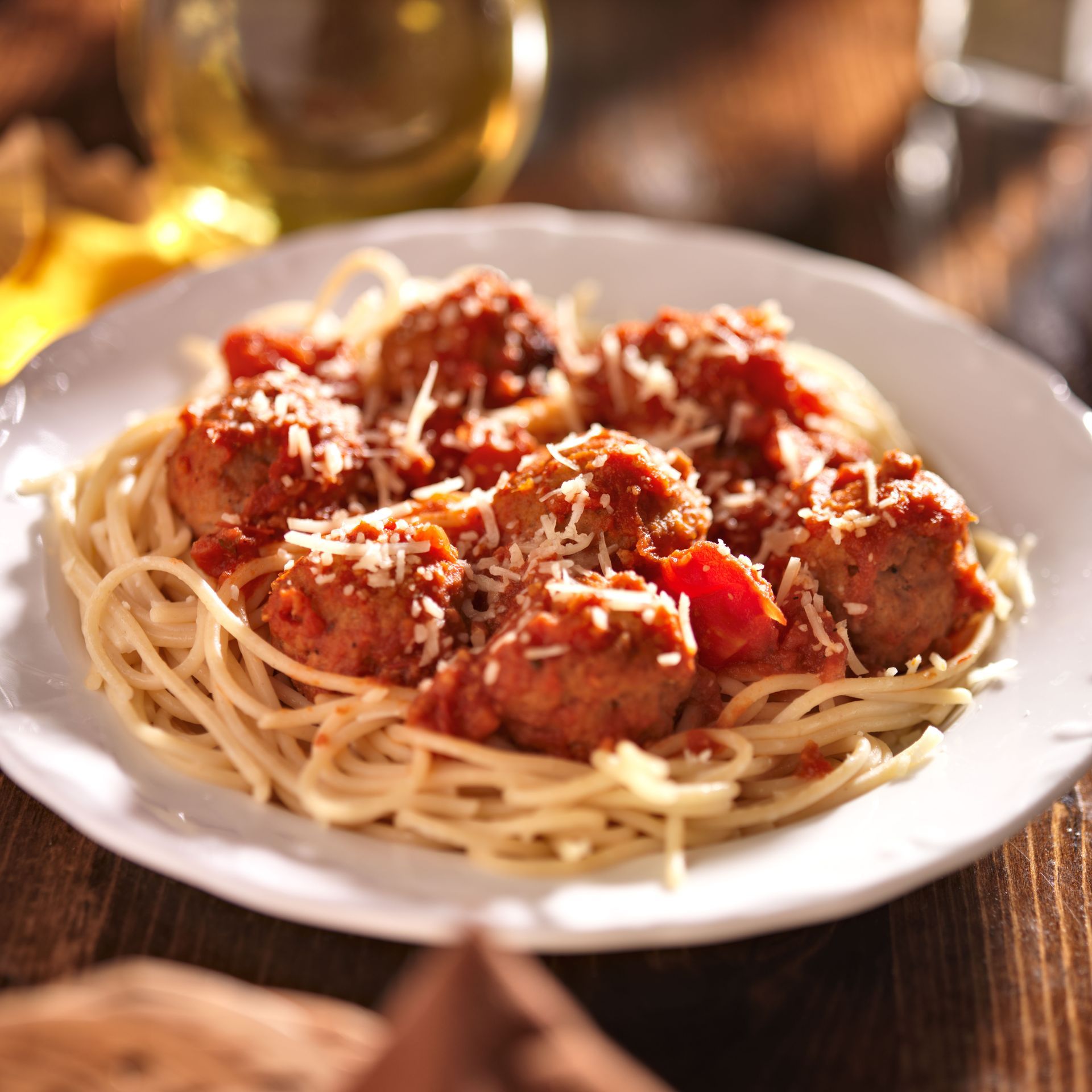
Italian dining represents much more than just food; it embodies a rich cultural heritage. Italian dining is far more than a way to enjoy food; it is a cultural cornerstone that reflects centuries of history, regional diversity, and social tradition. This unique culinary experience is deeply embedded in the Italian way of life and has captivated people worldwide. Whether in Italy or abroad, Italian dining unites people through its emphasis on fresh ingredients, conviviality, and a respect for tradition.
According to IBISWorld, the market size of the Italian Restaurants industry in the U.S. has been growing at a compound annual growth rate of 3.5% from 2019 to 2024, demonstrating its enduring appeal. This growth underscores the lasting impact and widespread appreciation of Italian dining beyond its country of origin. Italian dining offers a timeless appeal that continues to evolve, blending tradition with innovation. Its global success reflects a universal love for rich flavors, shared experiences, and cultural connections.
Understanding the Historical Roots of Italian Cuisine
The foundations of Italian cuisine were laid by ancient civilizations whose influence remains today. The roots of Italian cuisine reach back to ancient civilizations, including the Etruscans and Greeks, who introduced agricultural techniques and ingredients that remain essential today. The Etruscans' expertise in fermentation laid the foundation for bread and wine production, while the Greeks brought olives and grapes to the Italian peninsula. These early influences emphasized the use of fresh, local ingredients and Mediterranean flavors that characterize Italian cooking. Over time, the culinary practices evolved but remained anchored in authenticity and simplicity, hallmarks of Italian dining culture.
The Roman Empire introduced sophisticated cooking methods and social dining customs that still resonate. During the Roman Empire, Italian gastronomy became more sophisticated with new cooking methods such as simmering and steaming, alongside the use of sauces that enhanced flavors. The Romans' vast empire introduced an abundance of spices and exotic ingredients, enriching the culinary landscape. The communal dining experience was also solidified during this era, with meals becoming social events shared among family and friends, a tradition that continues to shape Italian dining today.
The Medieval and Renaissance periods expanded Italian cuisine through trade and cultural exchange. These periods further developed Italian cuisine with new ingredients introduced through expanding trade routes. The rise of regional courts fostered a culture of culinary excellence, where chefs crafted elaborate dishes that showcased local ingredients and refined cooking techniques. This era saw the diversification of pasta shapes and cheese-making innovations, contributing to the rich tapestry of Italian regional specialties still celebrated in Italian dining.
Recognizing the Emergence of Regional Diversity in Italian Dining
Italy’s varied geography and history created a rich mosaic of regional culinary identities. Italy’s geographic variety and historical political fragmentation have led to a broad spectrum of regional culinary traditions. Northern Italy favors rice, butter, and meats, while Southern Italy emphasizes tomatoes, olive oil, and seafood. This contrast enriches Italian dining by offering a diverse range of dishes that highlight local produce and flavors. Each region’s unique culinary identity is proudly preserved and widely enjoyed both within Italy and internationally. The diversity of ingredients and techniques reflects the deep connection Italians have with their land and heritage. This regional uniqueness continues to inspire chefs and food lovers around the world.
Italian dining abroad often celebrates this regional diversity, enhancing the global dining scene. Italian restaurants in the U.S. and beyond often highlight regional specialties, giving diners the chance to experience dishes like risotto from the north alongside classic favorites such as pasta. This diversity contributes to the growth of the Italian dining market as patrons seek authentic experiences inspired by Italy’s rich culinary heritage. The appreciation for these varied flavors fosters cultural exchange and culinary innovation in many countries. Diners today increasingly value the story and tradition behind each dish, enriching their overall experience.
Regional diversity reflects the variety of ingredients used across Italy, celebrating the natural bounty of specific areas, enriching the overall Italian dining experience. This respect for nature and tradition is a cornerstone of Italian culinary philosophy, making each meal a reflection of place and time. As a result, Italian cuisine remains vibrant, adaptable, and deeply rooted in its regional origins.
Exploring the Global Influence and Modern Evolution of Italian Dining
Italian cuisine’s global expansion showcases its adaptability and cultural significance. Over the past century, Italian cuisine was introduced to the global stage as immigrants brought their culinary traditions to new countries. Despite these variations, the core values of fresh ingredients, simplicity, and conviviality remain central to Italian dining experiences worldwide.
Contemporary Italian chefs blend tradition and innovation to meet evolving tastes and values. Today, Italian chefs continue to innovate by combining traditional recipes with contemporary techniques, emphasizing sustainability and local sourcing. This ongoing evolution keeps Italian dining relevant and exciting, appealing to new generations while honoring heritage. Italian dining remains a symbol of warmth, community, and shared joy across the globe.
The fusion of classic and modern approaches keeps Italian cuisine dynamic and globally cherished. The global spread of Italian dining has also led to increased interest in authentic cooking methods and artisanal ingredients, prompting a resurgence of traditional recipes alongside modern interpretations. This fusion encourages a dialogue between cultures and cuisines, enriching the international culinary landscape while keeping Italian dining dynamic and fresh. The adaptability of Italian cuisine ensures it remains accessible yet rooted in deep culinary traditions.
Appreciating the Social Fabric of Italian Dining
Italian dining serves as a cornerstone for family connection and cultural continuity. Italian dining places a strong emphasis on family, hospitality, and celebration. Mealtimes are sacred occasions for bonding, storytelling, and nurturing relationships. Family meals often include multiple generations sharing dishes passed down through time, reinforcing cultural identity and connection.
Festive dinners highlight Italian values of generosity, community, and shared joy. Celebratory dinners mark important life events and are abundant with regional specialties. These feasts extend beyond the family to include neighbors and community, reflecting the Italian values of generosity and inclusiveness. The art of hospitality, or "Ospitalità italiana," is essential in creating memorable dining experiences, where guests are treated with warmth and care.
The daily ritual of dining reflects Italy’s philosophy of mindful living and appreciation. Dining is also a cherished daily ritual in Italy, encouraging slow eating, mindful presence, and enjoyment of life’s simple pleasures. This cultural approach has inspired the global slow food movement, which advocates for quality, sustainability, and local culinary traditions—principles deeply embedded in Italian dining philosophy.
Balancing tradition with innovation, Italian dining continues to inspire and delight worldwide. Italian dining continues to thrive by balancing respect for time-honored traditions with openness to innovation. From ancient agricultural practices to modern sustainability efforts, Italian cuisine celebrates natural ingredients and regional diversity. The global growth of Italian restaurants reflects this dynamic legacy, attracting diners seeking both authenticity and creativity.
By embracing culture, flavor, and community, Italian dining remains an unforgettable experience. By fostering social connection, celebrating culinary heritage, and embracing evolving tastes, Italian dining remains one of the best culinary experiences worldwide. Whether enjoying a casual family meal or a festive gathering, Italian dining offers a unique combination of culture, flavor, and warmth that resonates universally. Experience this rich Italian dining tradition yourself by visiting Balistreri’s Bluemound Inn, where authentic Italian flavors and genuine hospitality come together to create memorable meals.