What Goes Into Crafting the Perfect Pizza Dough
By Jeremy Koss |June 16, 2026
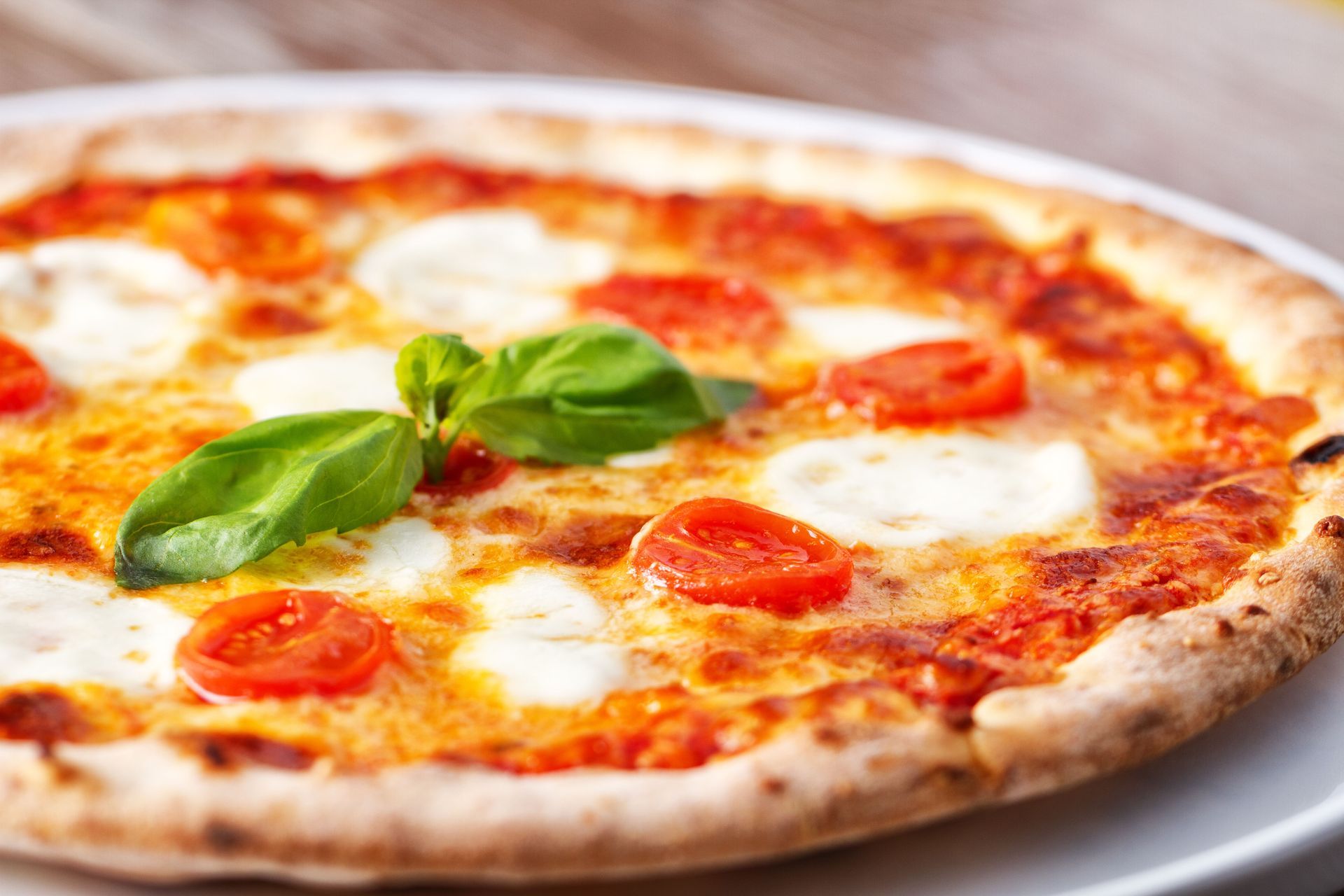
Pizza dough serves as the fundamental canvas on which delectable toppings create culinary masterpieces. Despite its simplicity, the craft of creating the perfect pizza dough requires a comprehensive understanding of ingredients and techniques. Each component, from flour, water, yeast, and salt to the methods of mixing and kneading, plays a critical role. Achieving the perfect dough is akin to balancing an intricate recipe, where precision and patience are rewarded with a delightful texture and flavor. Let's explore the key facets contributing to the art of making pizza dough that stands as the cornerstone of a perfect pizza and Italian cuisine.
The Right Flour
Types of Flour for Pizza Dough
The foundation of any pizza dough lies in the type of flour used, which has a significant impact on the dough's texture and flavor. There are numerous varieties of flour available, each with unique characteristics making them more or less suitable for pizza dough. All-purpose flour is a common choice due to its versatility, providing a balance of elasticity and crispness. However, bread flour is often preferred by enthusiasts for its higher protein content, which contributes to superior gluten development. A third option is Tipo 00 flour, particularly cherished in Italian cuisine, making for its fine grind and elasticity, offering a soft and supple dough conducive to Neapolitan-style pizzas.
Protein Content and Its Impact
Understanding protein content in flour is crucial as it directly affects the gluten structure in pizza dough. Higher protein flours, like bread or Tipo 00, allow for better elasticity, essential for holding toppings without tearing. Conversely, flours with lower protein content produce less gluten, leading to a softer, but often less structurally sound pizza base. Choosing the correct protein level is tantamount to determining the desired texture of the crust and overall integrity of the pizza. For those seeking a crisp and chewy texture, a higher protein flour is recommended, while a lower protein variant offers a soft, delicate crust.
The Perfect Water Ratio
Hydration Levels Explained
Hydration levels, or the ratio of water to flour, are critical factors influencing the texture and handling of pizza dough. A higher hydration level introduces more water into the dough, resulting in a lighter, airier crust. This can lead to a delicate and crispy texture, often sought after in styles like Neapolitan and Ciabatta. Conversely, lower hydration dough is firmer and denser, contributing to a chewy crust that withstands heavier toppings without sogginess. Striking the right balance in hydration requires precision and experimentation to discover the ideal texture that complements the desired style of pizza.
Leveraging Cold vs. Warm Water
The temperature of water impacts yeast activity and dough consistency, influencing the fermentation process and final texture. Cold water slows down yeast activity, prolonging fermentation, which can enhance flavor development and improve dough structure. Warm water, often between 95 degrees and 110 degrees Fahrenheit, accelerates yeast activity and speeds up the dough's rise, suitable for those needing a faster turnaround. Depending on the ambient conditions and desired fermentation timeline, deciding between cold and warm water can manipulate the final characteristics of the pizza dough. Mastering this balance ensures the dough is both flavorful and structurally sound.
Controlling Dough Consistency
Achieving the desired dough consistency involves more than just measuring flour and water; it's about the nuances of mixing, hydration, and flour characteristics. Consistency dictates how easily the dough can be stretched and how effectively it will trap fermentation gases and retain its shape. Factors such as atmospheric conditions, altitude, and humidity can also play a role, making vigilance crucial when adjusting water ratios. Overly sticky dough indicates high hydration requiring additional flour, while dry dough necessitates moistening. Balancing these elements ensures a versatile dough suitable for a variety of pizza styles, both in home kitchens and restaurants poised to keep a dedicated customer base, as 75% of people prefer not returning to establishments implicated in food safety issues, according to Jolt.
The Importance of Yeast
Types of Yeast: Fresh, Active Dry, and Instant
Yeast is a living organism that plays a pivotal role in dough fermentation, contributing to both texture and flavor. Fresh yeast, or baker's yeast, is highly perishable but prized for its potent action and nuanced flavor. Active dry yeast, more commonly found, requires hydration before use and is known for its long shelf life. Instant yeast, or fast-rising yeast, offers convenience by being incorporated directly into the flour without prior hydration. The choice between these yeast types depends on personal preferences regarding flavor profile, complexity, and the rising timeline of the pizza dough.
How Yeast Affects Dough Rise
Understanding yeast's impact on dough rise is essential for controlling the texture and volume of pizza crust. Through fermentation, yeast converts sugars into carbon dioxide and ethanol, causing dough expansion and enhanced flavor profile. This gas generation and trapping within the gluten network are what give baked dough its airy, light structure. Correctly balancing yeast quantity and fermentation duration determines the crust's final characteristics, influencing whether it is thick and fluffy or thin and crispy.
The Art of Mixing and Kneading
Tools for Mixing Pizza Dough
Mixing is an essential part of pizza dough preparation, bringing ingredients together and initiating gluten development. While traditional methods often prioritize hand mixing, various tools can simplify this process, offering both convenience and precision. Stand mixers featuring dough hooks save labor and time, efficiently melding components at consistent speeds. Food processors may offer an alternative, though they risk overworking dough if not monitored carefully. Dough whisks or spatula tools provide a simpler, less mechanical approach for combining ingredients without over-mixing. The choice of tool can reflect personal preferences balanced with the scale of production, whether in a home oven or professional kitchen.
Hand Kneading Techniques
The quintessential practice of hand-kneading offers both an intimate connection with the dough and precise sensory feedback. The process involves stretching and folding to activate gluten networks, optimizing structural integrity and elasticity. Ideal kneading entails a rhythmic motion, manipulating dough until it becomes smooth and elastic, often described by a "tacky but not sticky" benchmark. Mastery of hand kneading requires practice but allows fine-tuning of variables that machines may miss, like subtle texture changes and hydration needs.
The Role of Salt and Sugar
Salt: More Than Just a Flavor Enhancer
Salt serves several roles in pizza dough beyond enhancing flavor, moderating yeast activity, gluten strength, and color of the baked crust. By controlling yeast activity, salt influences the rate of fermentation, preventing over-rising and excessive stickiness. Its influence on gluten structure imparts consistency, firmness, and chewy texture, critical for supporting layers of pizza toppings. Additionally, sodium ions promote Maillard browning reactions, enhancing crust coloration during baking. Recognizing salt's multifaceted role enables bakers to refine their dough recipe, balancing taste with fundamental texture and color characteristics.
The Influence of Sugar on Browning and Yeast Activity
Sugar contributes sweetness but primarily fuels yeast activity and enhances brown crust formation through Maillard reactions. Initial yeast digestion of sugars within dough results in carbon dioxide production, facilitating fermentation and airy crumb texture. Caramelization during baking deepens the crust hue, developing additional complexity in baked flavors. However, excessive sugar can hasten browning prematurely. Considering sugar's triple impact is paramount in recipe formulation, adjusting amounts to match intended outcomes ensures a harmonious union with other dough elements.
At the heart of great pizza and authentic Italian cuisine is a well-crafted dough that transforms simple ingredients into a memorable dining experience. Creating exceptional pizza dough is a process that blends quality ingredients, careful technique, and attention to detail. From selecting the right flour and hydration level to managing yeast activity, kneading properly, and balancing salt and sugar, every step contributes to the final result. When these elements work together, they produce a crust with the ideal texture, flavor, and structure to complement any topping combination. To learn more, visit the experts at Balistreri's Bluemound Inn and find out what goes into our handmade pizzas!