Essential Tips for Authentic Italian Dining
By Jeremy Koss |July 17, 2026
Stepping into a true trattoria or osteria is like opening a portal to a world where time slows down, ingredients speak for themselves, and every meal is a celebration of life. For Italians, gathering around the table is a sacred ritual, not a rushed necessity. True Italian dining is an art form defined by regional pride, seasonal freshness, and a deep respect for culinary heritage. Yet, for travelers and food enthusiasts alike, navigating the unspoken customs of an authentic meal can sometimes feel intimidating. Misconceptions abound, often fueled by commercialized versions of classic dishes that bear little resemblance to what is actually served in Rome, Florence, or Naples. To truly appreciate the depth of this culinary tradition, one must look past the heavy sauces and oversized portions often found abroad and embrace the elegant simplicity of genuine tradition. Mastering the nuances of the table allows you to transform a simple dinner into an unforgettable cultural experience.
Navigating the Traditional Course Structure
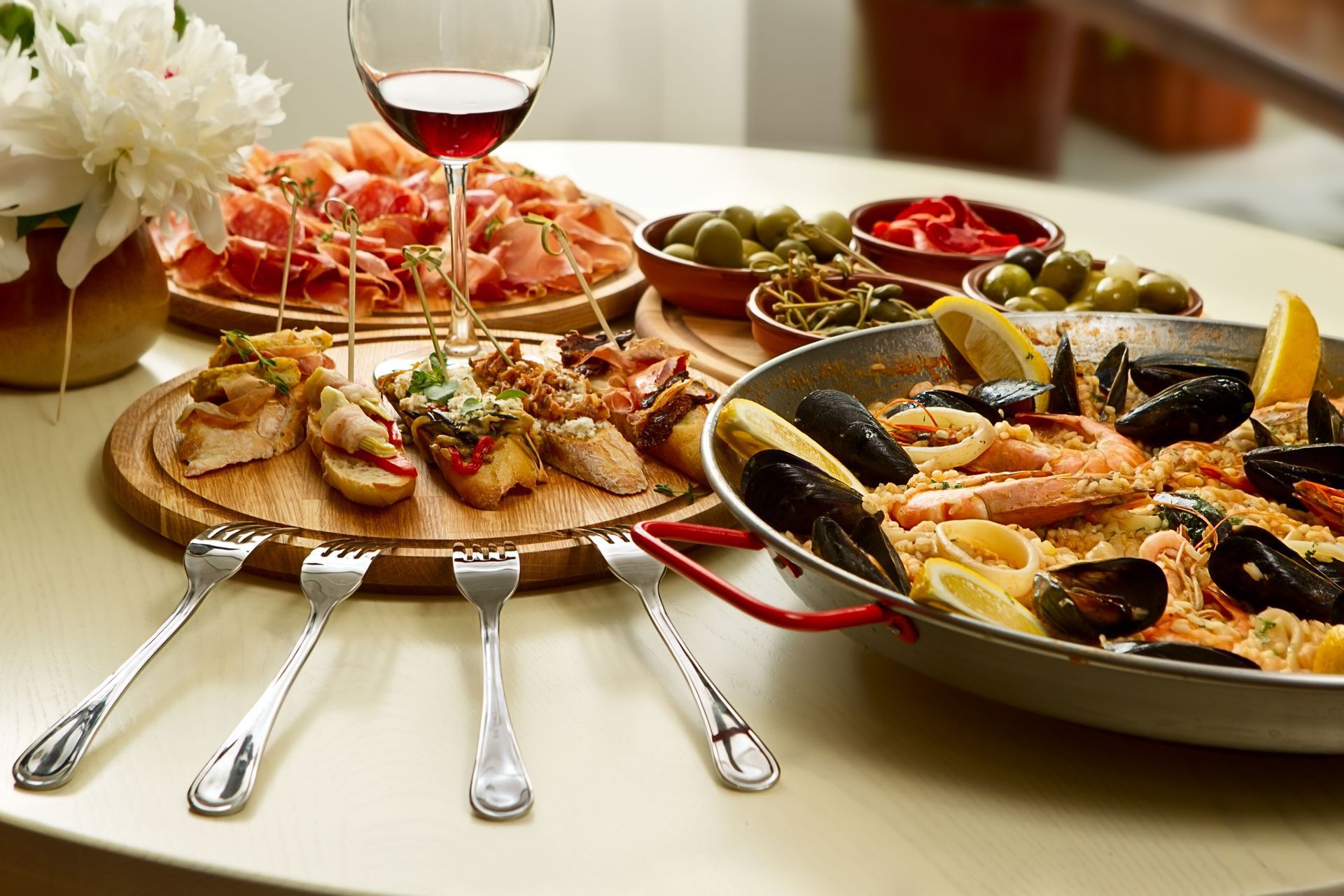
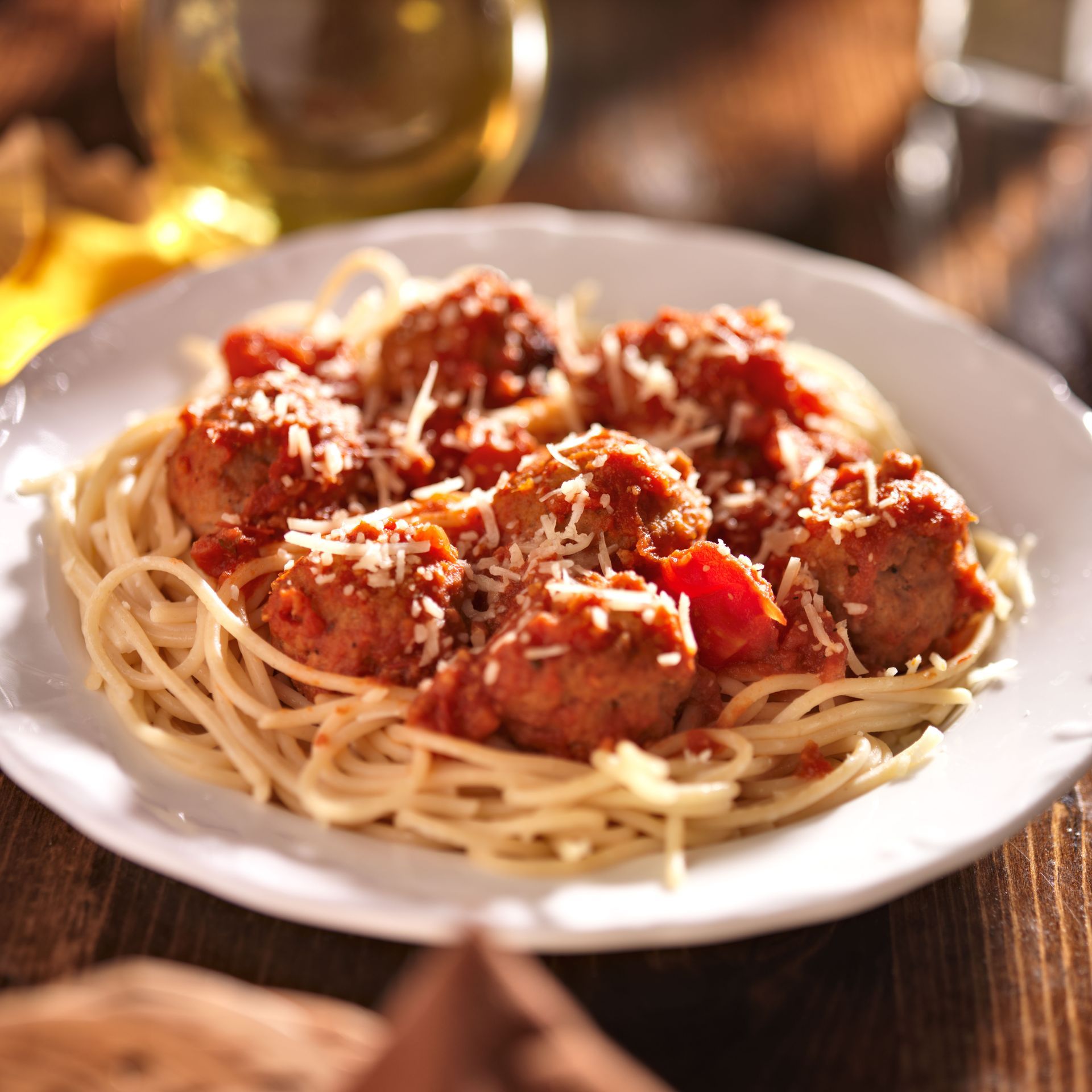
Embracing the rhythm of a multi-course meal is the first step toward mastering Italian dining. Unlike many Western cultures where everything arrives on a single plate, a proper feast is divided into distinct, purposeful acts. The journey begins with the antipasto, a selection of bite-sized starters like cured meats, marinated vegetables, or bruschetta designed to awaken the palate. Next comes the primo, which features starchy delights such as pasta, risotto, or gnocchi. It is a common misconception that this is the main event; instead, it sets the stage for the secondo. This subsequent course highlights expertly prepared proteins, typically featuring fresh fish, roasted poultry, or grilled meats. To accompany the protein, guests order contorni, which are separate side dishes of seasonal vegetables or roasted potatoes. Skipping between courses or ordering them out of order disrupts the harmony the chef intended, so allowing the meal to unfold sequentially is essential for an authentic evening.
Timing Your Daily Coffee Rituals
Understanding when and how to order beverages is a crucial component of blending in with the locals. Coffee is an integral part of life, but it follows strict, unwritten guidelines that dictate the flow of the day. Milk-heavy coffees, such as cappuccinos or lattes, are strictly reserved for the morning hours. Enjoying a frothy, milky beverage after a large midday or evening meal is viewed as a major faux pas, as the heavy dairy is believed to interfere with proper digestion. When the sun sets and dinner concludes, the only acceptable coffee choice is a concentrated shot of espresso. This strong, dark elixir is downed quickly, often right at the bar, to provide a clean finish to a rich meal. Requesting a large, flavored iced coffee to accompany a plate of savory pasta will instantly mark you as an outsider, so sticking to pure espresso after dark is always the wisest choice.
Honoring the Simplicity of Ingredients
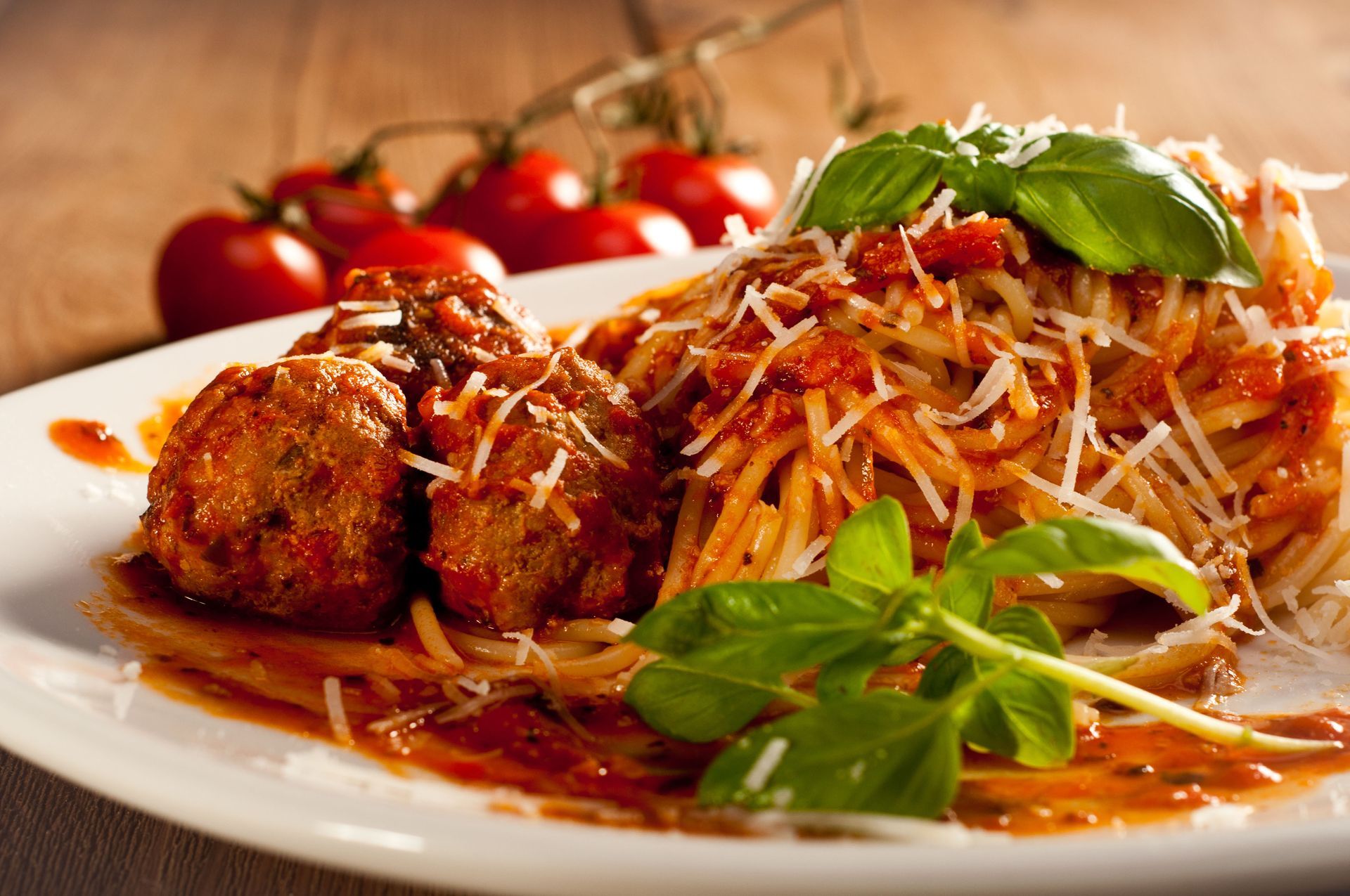
Appreciating the minimalist philosophy of the kitchen is vital to understanding the heart of Italian dining. True culinary masters do not mask their dishes with an overwhelming abundance of herbs, spices, or heavy creams. Instead, the focus remains entirely on highlighting a few exceptional ingredients of the highest quality. A classic pasta dish might rely on nothing more than ripe tomatoes, fragrant basil, fresh olive oil, and a pinch of sea salt. Because there are no complex sauces to hide behind, every component must be absolutely flawless and perfectly fresh. Diners are encouraged to savor the distinct texture of the grain and the brightness of the produce rather than seeking a chaotic explosion of flavors. When you approach the table with a mindset that values quality over sheer quantity, you begin to see why these centuries-old recipes have stood the test of time.
Resisting the Urge for Modifications
Trusting the expertise of the chef is a fundamental courtesy when sitting down for a meal. The culinary traditions of the peninsula are deeply rooted in geography and history, with each dish crafted to represent a specific balance of flavors. Requesting substitutions, asking to add chicken to a classic seafood pasta, or demanding extra garlic can be seen as an insult to the kitchen. Similarly, asking for grated cheese to top a fish dish is highly discouraged, as the sharp dairy is thought to overpower the delicate, briny notes of the seafood. It is always best to consume the food exactly as it is listed on the menu, respecting the proportions and pairings that have been perfected over generations. Allowing the kitchen to guide your culinary journey ensures you experience the flavors exactly as they were meant to be enjoyed.
Embracing the Leisurely Meal Pace
Slowing down the tempo of your evening is perhaps the most rewarding aspect of the entire experience. In many modern fast-casual environments, efficiency is prioritized above all else. According to the National Restaurant Association, approximately 75% of restaurant traffic includes takeout, delivery, or drive-thru orders. However, traditional Italian dining stands in stark contrast to this fast-paced, convenience-driven culture. A meal is considered an interactive social event, an opportunity to converse, laugh, and bond with companions over several hours. Waitstaff will never rush you through your courses or drop the check on the table the moment you finish your last bite. In fact, you will often need to explicitly wave down the server and request the bill when you are finally ready to depart. The table is your home for the evening, and rushing through the experience defeats the entire purpose of gathering.
Selecting the Perfect House Pour
Pairing your food with the correct libations elevates the entire culinary experience to new heights. Wine is not viewed as a luxury or a status symbol, but rather as an essential companion to food, serving as a natural extension of the meal itself. When looking at the beverage options, you do not always need to seek out the most expensive vintage on the list. Ordering the house carafe, often sourced from local vineyards just a short distance from the restaurant, is a time-honored tradition that guarantees a fresh, complementary pairing for the regional cuisine. Water also plays a specific role; it is served by the bottle, either sparkling or still, to cleanse the palate between bites. Soft drinks, sugary juices, or heavily sweetened cocktails are rarely seen on a dinner table, as they coat the tongue and dull the taste buds to the nuanced flavors of the food.
The Anatomy of an Authentic Table
- The Table Cover: A small fee listed as coperto is standard, covering the cost of bread, linens, and tableware.
- The Bread Rules: Olive oil and balsamic vinegar are rarely provided for dipping bread; instead, bread is used to mop up leftover sauce from your plate.
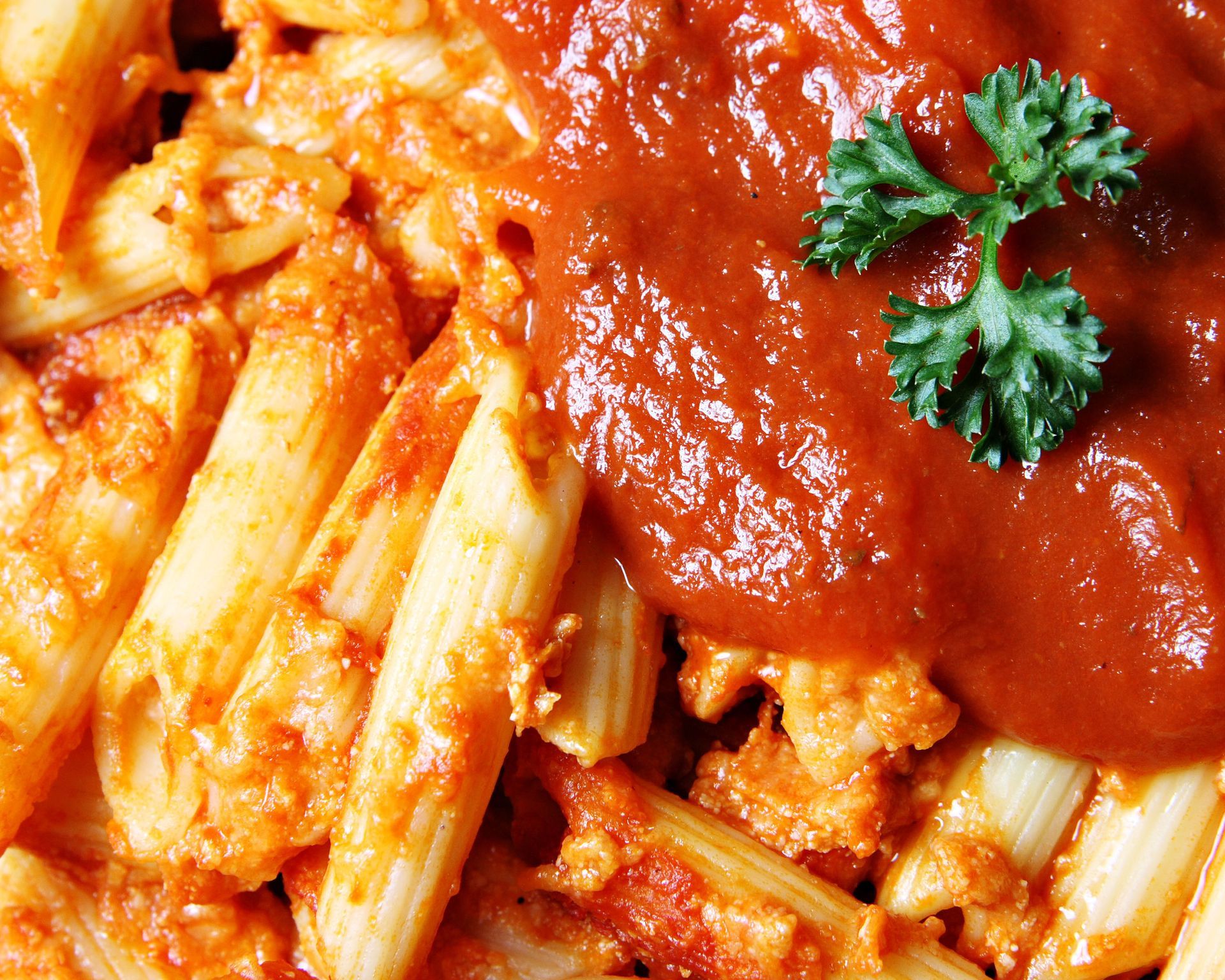
- The Pasta Texture: Authentic pasta is always served al dente, meaning it retains a firm, toothsome bite in the center.
True Italian dining is far more than a way to satisfy hunger; it is a philosophy that honors community, history, and the natural bounty of the earth. By stepping away from the expectations of fast service and heavily modified dishes, you open yourself up to a richer, more profound appreciation for culinary artistry.
If you are yearning to experience this level of dedication, passion, and culinary tradition without boarding an international flight, we invite you to join us. At Balistreri's Bluemound Inn, we proudly channel the authentic spirit of
Italian dining, bringing time-honored flavors, meticulously prepared courses, and warm, welcoming hospitality straight to your table. Contact us today to learn more.