What to Expect From a Traditional Italian Dining Experience
By Jeremy Koss |October 19, 2026
Traditional Italian cuisine is celebrated for its comforting flavors, fresh ingredients, and strong connections to family and community. Whether enjoying a casual meal with friends or celebrating a special occasion, visiting an Italian restaurant offers an opportunity to experience culinary traditions that have developed over generations. From welcoming surroundings to carefully prepared dishes, every element contributes to an enjoyable and memorable meal.
The popularity of Italian cuisine extends far beyond its country of origin. In fact, according to Dataintelo, approximately 600,000 Italian restaurants operate outside Italy, while more than 195,000 establishments serve customers within the country. This widespread presence reflects the enduring appeal of Italian food and the cultural traditions associated with sharing meals.
Exploring the Warm and Inviting Atmosphere
The atmosphere of a traditional Italian restaurant often reflects the importance of hospitality, comfort, and togetherness. Guests may encounter warm lighting, comfortable seating, and carefully selected decorations that create an inviting environment. These elements encourage conversation and help diners feel welcome throughout their visit.
Many establishments incorporate design details inspired by Italian culture, including rustic furniture, artwork, and traditional architectural features. Others embrace a more refined aesthetic while maintaining the relaxed hospitality associated with Italian restaurants. Regardless of the interior style, the emphasis generally remains on creating an enjoyable setting where people can connect over food.
Music, lighting, and the arrangement of dining spaces also contribute to the overall experience. Restaurants may feature intimate tables for couples alongside larger seating arrangements for families and groups. This flexibility allows guests to enjoy different occasions without sacrificing comfort.
Discovering the Variety of Traditional Italian Dishes
Italian cuisine offers an extensive selection of dishes that reflect different regions, culinary traditions, and preparation methods. Although pasta and pizza are internationally recognized favorites, traditional menus frequently include appetizers, soups, salads, seafood, meats, and vegetable-based specialties.
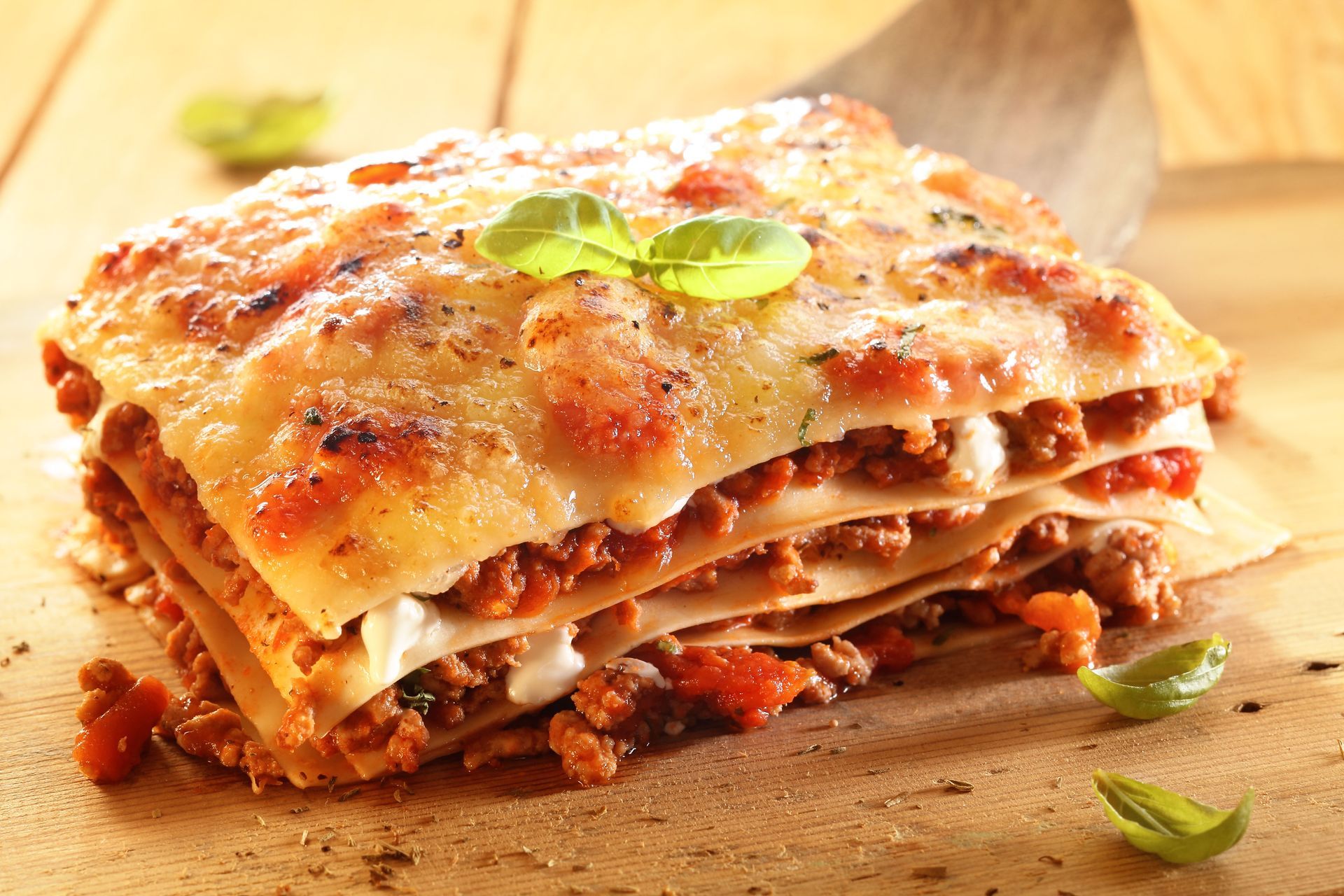
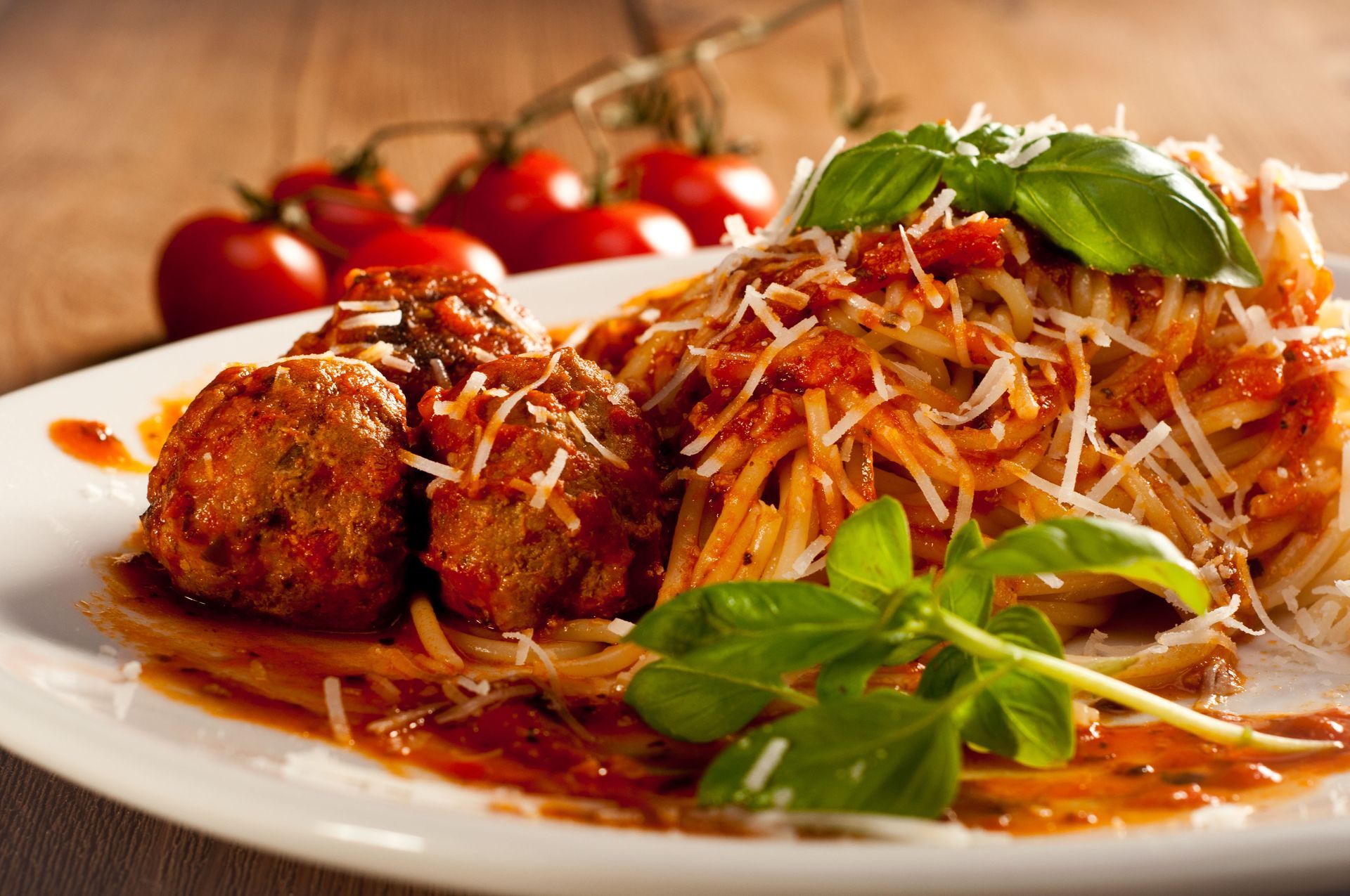
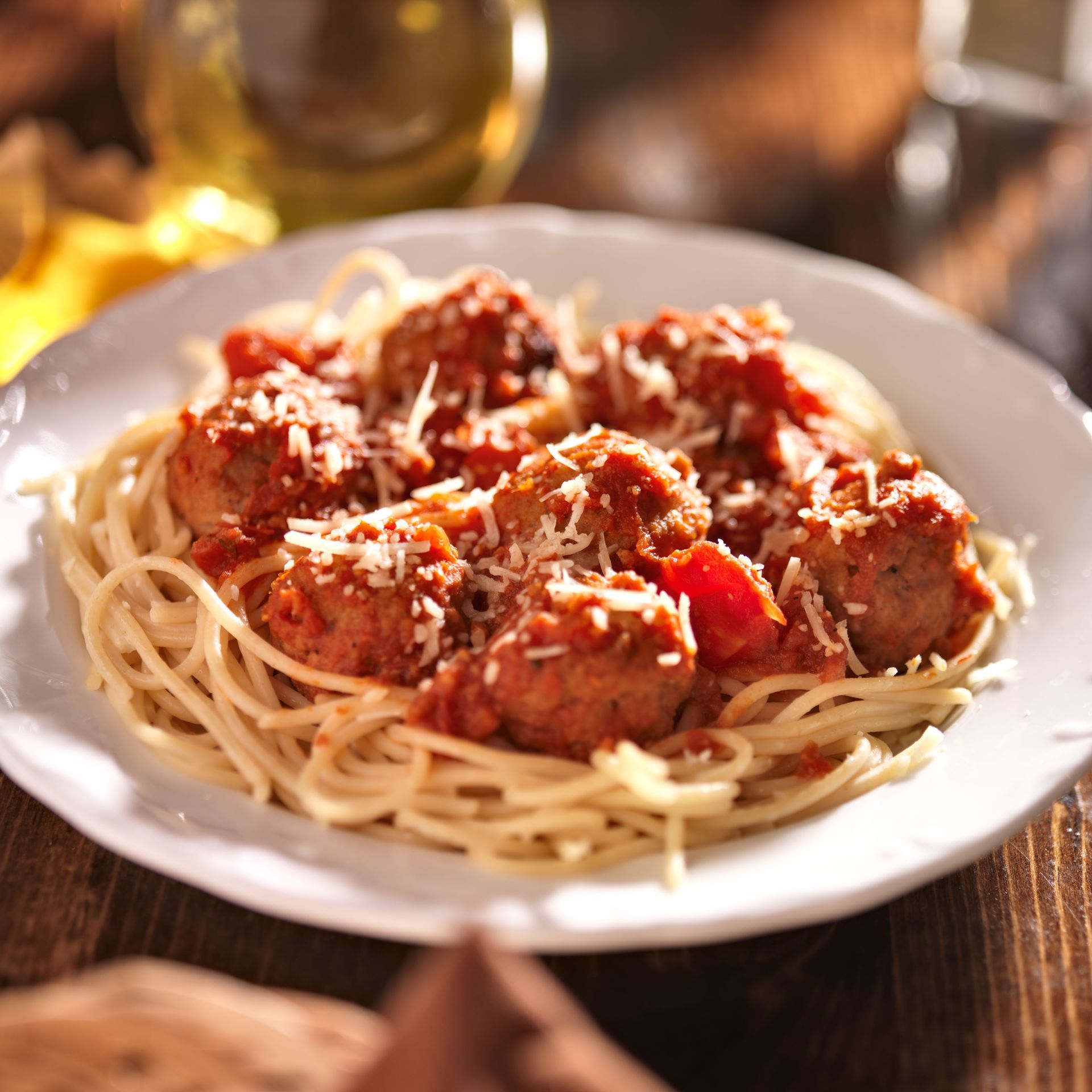
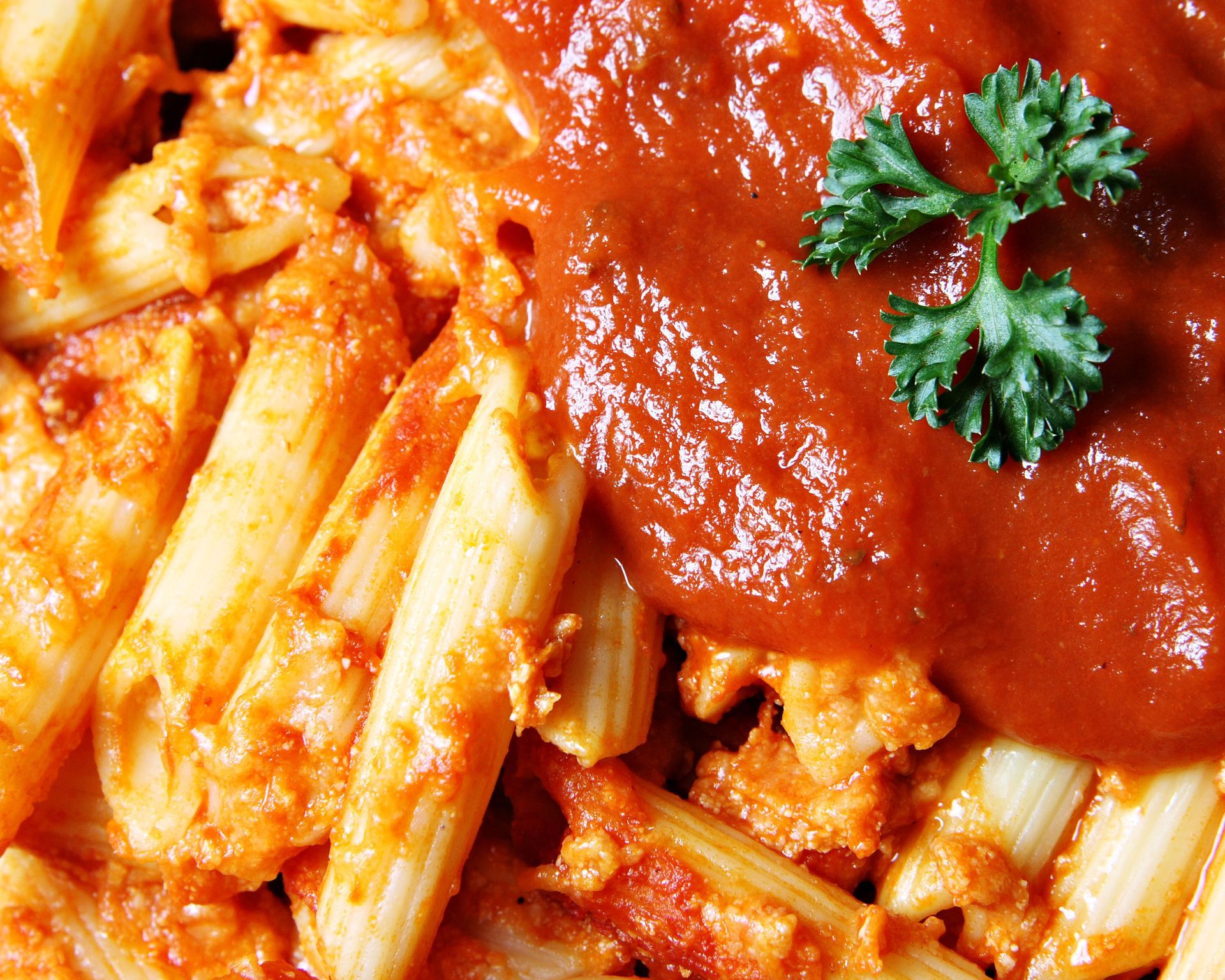
Pasta dishes illustrate the diversity of Italian cooking particularly well. Different pasta shapes complement different sauces, allowing ingredients and textures to work together. A delicate sauce might accompany a lighter pasta, while a hearty meat-based preparation may pair with a more substantial variety.
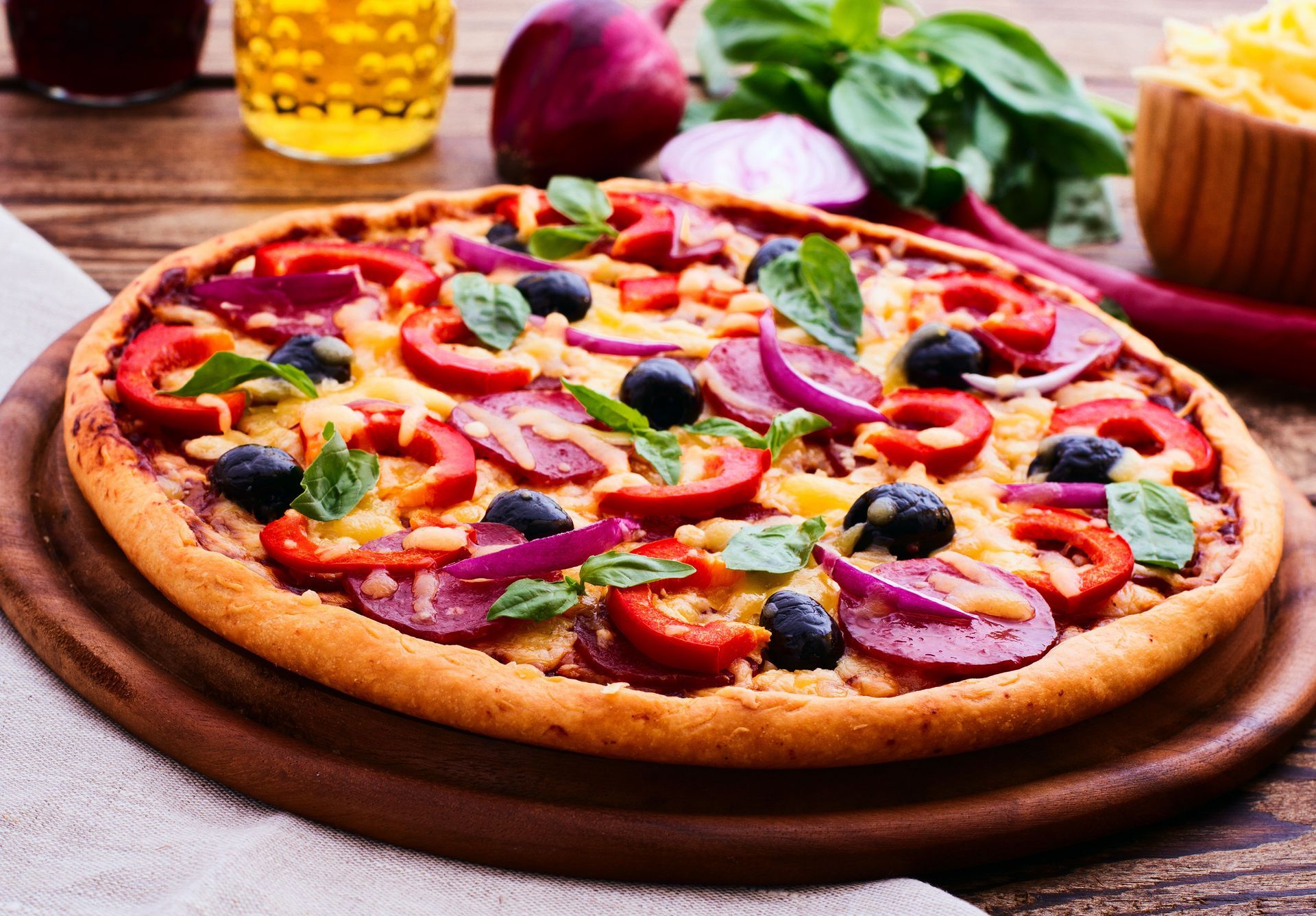
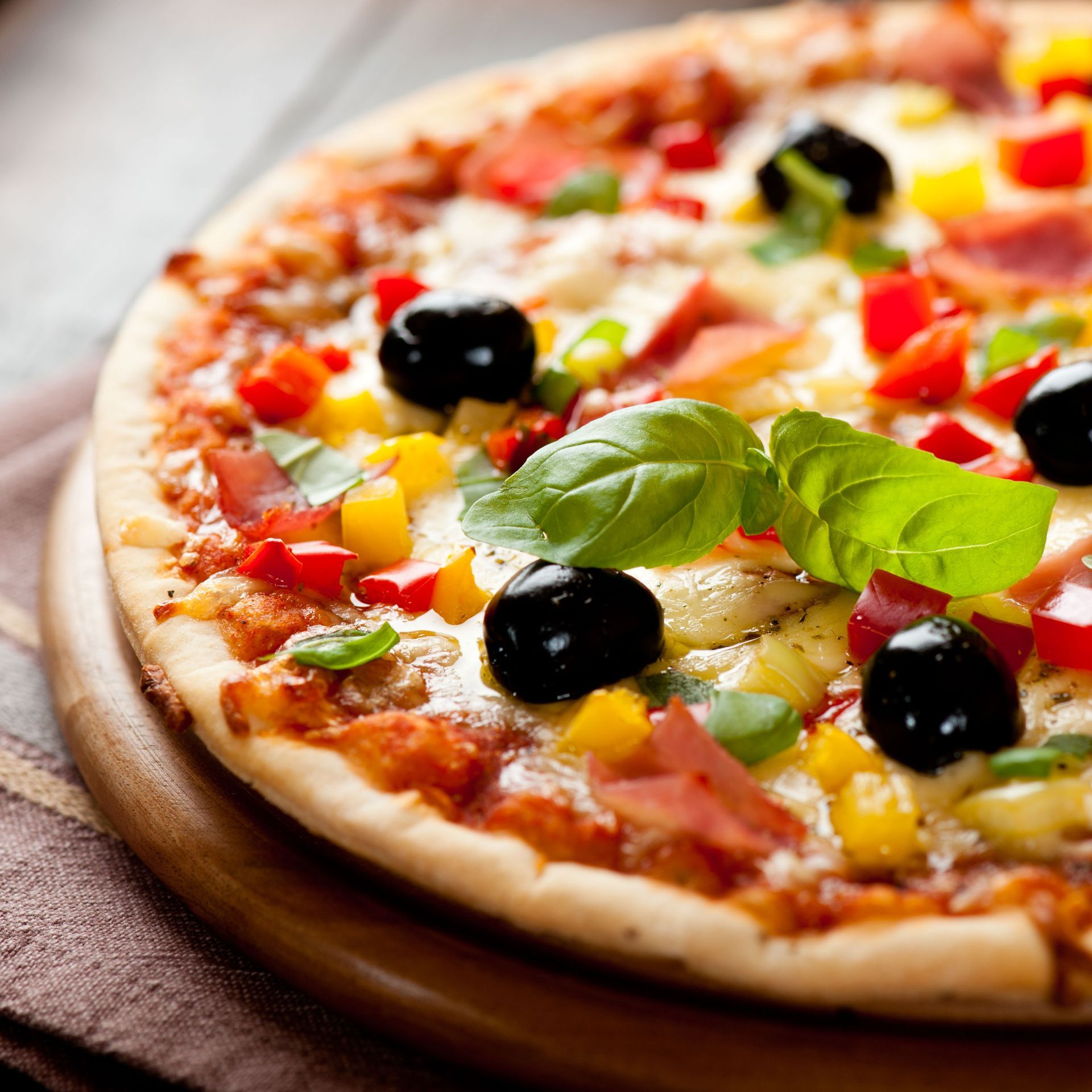
Pizza is another familiar component of many Italian restaurant menus. Traditional preparations emphasize the relationship between the crust, sauce, cheese, and toppings. Regional influences can affect everything from the thickness of the crust to the ingredients used, creating distinct styles that appeal to different preferences.
Beyond these familiar selections, guests may discover dishes featuring roasted vegetables, carefully seasoned proteins, fresh herbs, and rich tomato-based sauces. Exploring these options introduces diners to the broader culinary heritage that makes Italian cuisine so versatile.
For newcomers, the variety of available dishes is an important part of the Italian dining experience. It provides opportunities to explore new flavors while still enjoying familiar comfort foods.
Appreciating the Importance of Fresh Ingredients
Fresh, thoughtfully selected ingredients play a central role in traditional Italian cooking. Many classic dishes rely on relatively simple combinations that allow the natural flavors of individual ingredients to remain prominent.
Tomatoes, olive oil, garlic, basil, oregano, and other herbs frequently appear throughout Italian cuisine. When combined with vegetables, cheeses, meats, and seafood, these ingredients create dishes known for their balanced flavors and satisfying textures.
Cheese also contributes significantly to Italian cooking. Varieties such as mozzarella, Parmesan, ricotta, and pecorino offer different textures and flavor profiles. Depending on the preparation, cheese may provide richness, enhance seasoning, or complement other ingredients without overwhelming them.
Seasonality is another important consideration. Traditional Italian food culture has strong connections to regional agriculture, and many recipes developed around ingredients that were readily available during particular seasons. This approach highlights the relationship between local food traditions and the surrounding environment.
The attention given to ingredients helps explain why Italian dining remains appealing to people with different culinary preferences. Rather than depending exclusively on elaborate preparations, many Italian dishes demonstrate how carefully balanced flavors can create satisfying meals.
Understanding the Traditional Meal Structure
Italian meals are often associated with a relaxed progression of courses. Although restaurant menus and individual preferences vary, traditional meal structures provide an interesting introduction to Italian culinary customs.
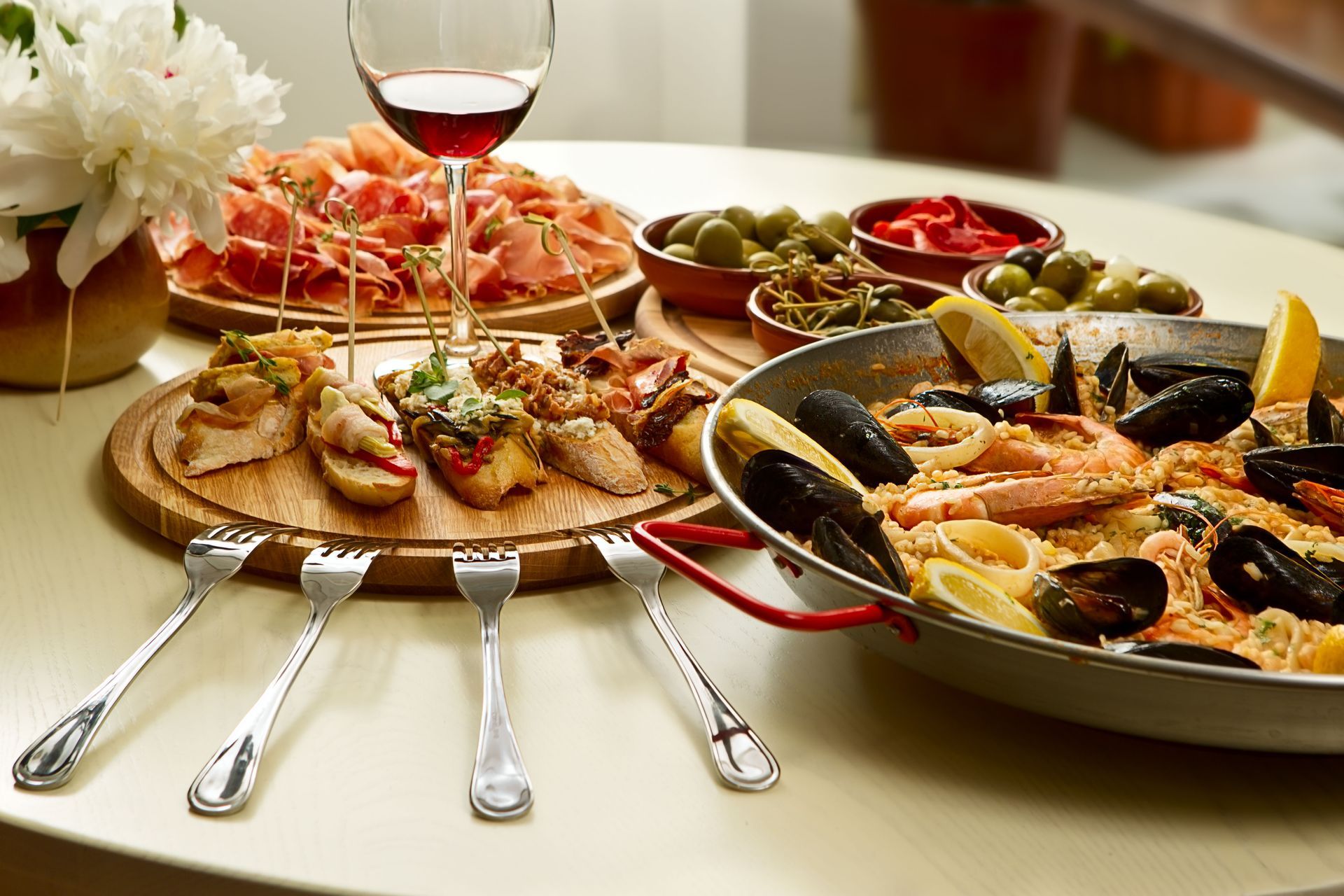
A meal may begin with antipasti, which are appetizers intended to introduce flavors and stimulate the appetite. Common examples include bruschetta, marinated vegetables, cured meats, and assorted cheeses. These selections can also create opportunities for sharing among guests.
The primo course traditionally features dishes such as pasta, risotto, or soup. These preparations frequently emphasize grains, vegetables, sauces, and other ingredients that establish the foundation of the meal.
The secondo course generally highlights a protein, such as fish or meat, while contorni provide accompanying vegetables or other side dishes. In many Italian traditions, these components are presented separately, allowing guests to appreciate their individual flavors.
Dessert, or dolce, may conclude the meal with selections such as tiramisu, gelato, or other traditional sweets. Coffee is also commonly associated with the conclusion of an Italian meal.
Not every restaurant follows this structure precisely, and guests are not necessarily expected to order every course. However, understanding these traditions provides additional context for the Italian dining experience and the cultural significance of enjoying food at a comfortable pace.
Recognizing the Role of Hospitality and Service
Hospitality is closely connected to Italian food culture. Traditional restaurants often emphasize friendly interactions, attentive service, and an environment where guests can comfortably enjoy their meals.
Restaurant staff contribute to this atmosphere by welcoming diners, answering menu questions, and helping guests understand unfamiliar dishes. Knowledgeable servers may explain ingredients, preparation methods, and flavor combinations, making the menu more accessible to those exploring Italian cuisine.
Service also involves maintaining an appropriate balance between attentiveness and allowing guests to enjoy uninterrupted conversations. While the exact approach varies among establishments, the goal is generally to support a pleasant meal without making diners feel rushed.
This approach is particularly meaningful during family gatherings, celebrations, and meals shared with friends. Thoughtful hospitality helps create an environment where guests can focus on the people around them while appreciating the food being served.
For many visitors, these interactions become an essential part of Italian dining, reinforcing the connection between good food, welcoming service, and meaningful social experiences.
Celebrating the Tradition of Sharing Meals
Sharing food is an important aspect of Italian culinary culture. Meals frequently serve as opportunities for family members and friends to gather, exchange stories, and strengthen relationships.
The communal nature of Italian cuisine is reflected in dishes that are easily shared, including appetizers, pizzas, and generous pasta preparations. Sharing selections allows guests to sample different flavors and creates a more interactive experience.
Traditional Italian celebrations also place considerable importance on food. Birthdays, anniversaries, holidays, and family milestones often bring people together around the table. The dishes served during these occasions may carry personal significance or reflect customs passed down through generations.
Even everyday restaurant visits can reflect this emphasis on togetherness. A comfortable atmosphere and an enjoyable selection of food help transform an ordinary evening into an opportunity for connection.
Ultimately, the appeal of Italian dining extends beyond individual menu selections. It encompasses the experience of gathering with others, appreciating culinary traditions, and enjoying the moments that unfold throughout a shared meal.
Embracing the Complete Italian Restaurant Experience
A traditional Italian restaurant visit brings together several elements that contribute to its distinctive character. Welcoming surroundings, flavorful ingredients, diverse menu selections, and thoughtful service all play important roles in creating an enjoyable atmosphere.
Understanding the traditions behind Italian cuisine can also deepen appreciation for the dishes being served. From the progression of courses to the emphasis on hospitality, these customs reflect a culinary culture that values both food and human connection.
Whether exploring unfamiliar specialties or returning to favorite dishes, guests can appreciate the combination of comfort, flavor, and tradition that makes Italian dining a lasting favorite across cultures.
At Balistreri’s Bluemound Inn, we invite you to enjoy a memorable meal surrounded by welcoming hospitality and the comforting flavors of Italian cuisine. Our restaurant provides an inviting setting for gathering with family, spending time with friends, or celebrating a special occasion.
We look forward to welcoming you and helping you enjoy a relaxing Italian dining experience. Visit our website at https://www.balistreris.com to learn more about our restaurant and plan your next visit.